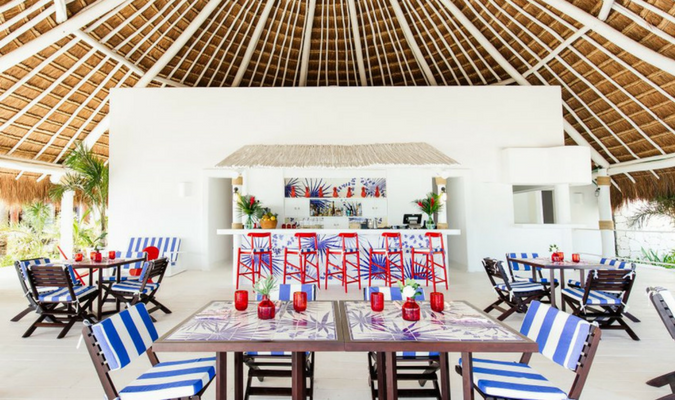
Finding Bliss at Hotel Esencia’s Beach Suites

There is a reason why the world’s leading luxury and travel press cannot stop raving about Hotel Esencia. Formerly the winter hideaway of the Italian Duchess of Ferrari, this 50-acre estate has changed but managed to retain its grandeur and refinement. Hotel Esencia is located in the bay of Xpu-Ha, between Playa del Carmen and Tulum, where sea turtles arrive yearly to nest. Far from crowded beaches and Cancún’s rowdy party scene, guests enjoy privacy and an airy, minimalist sense of luxury.

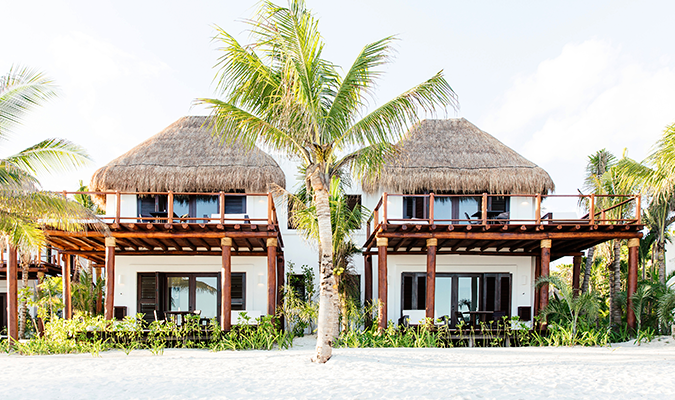
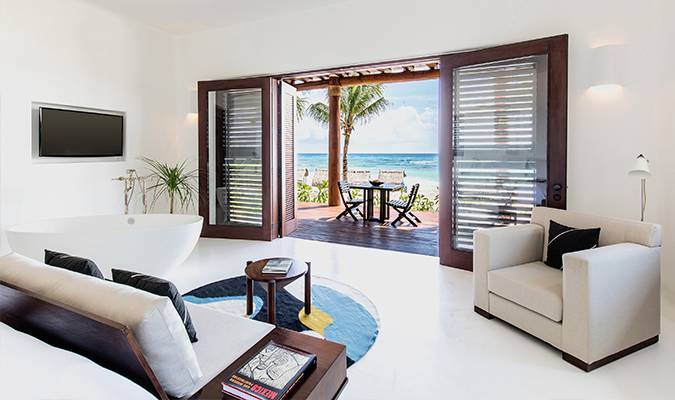
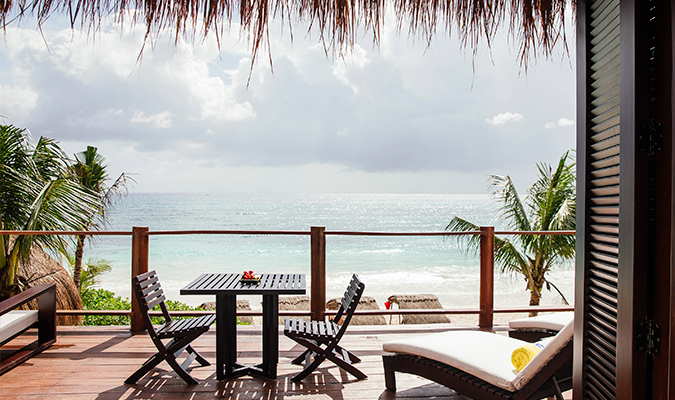
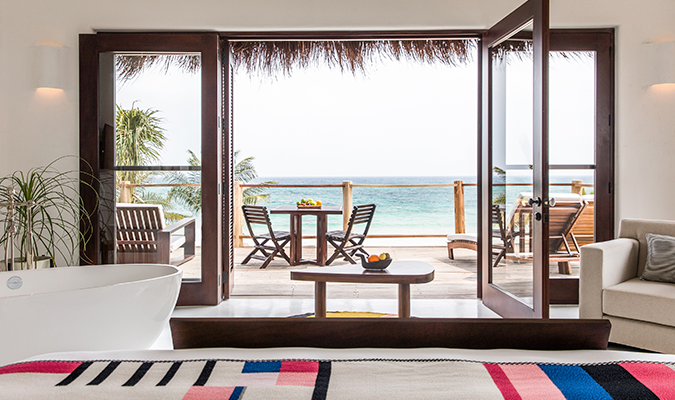
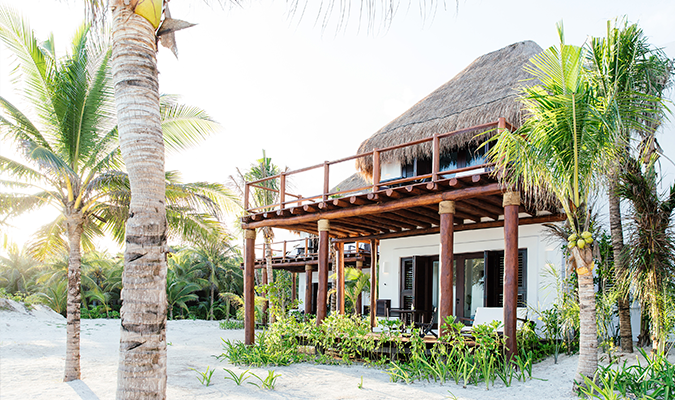
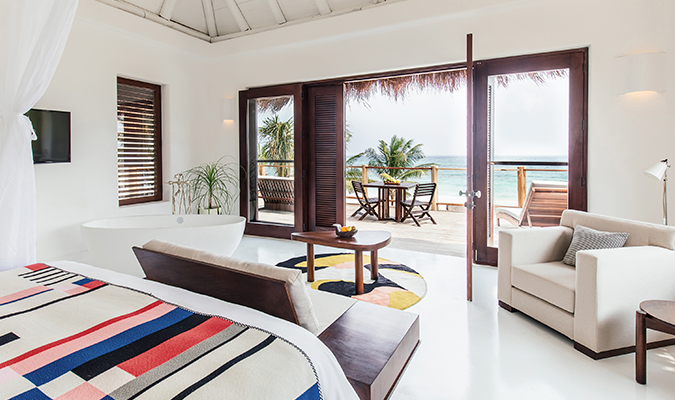
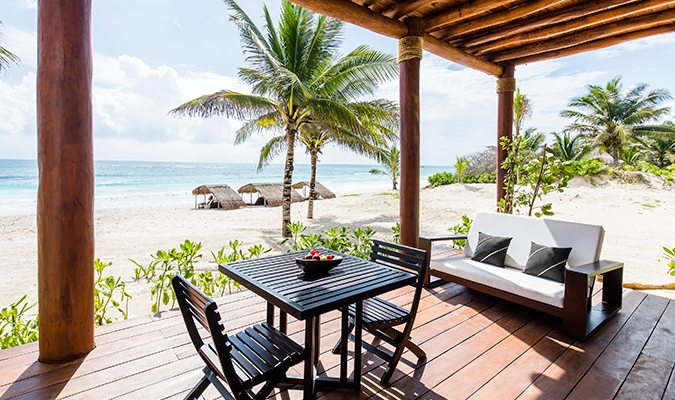
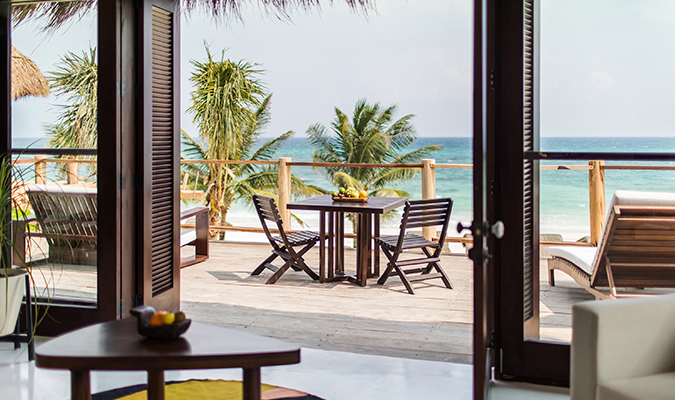
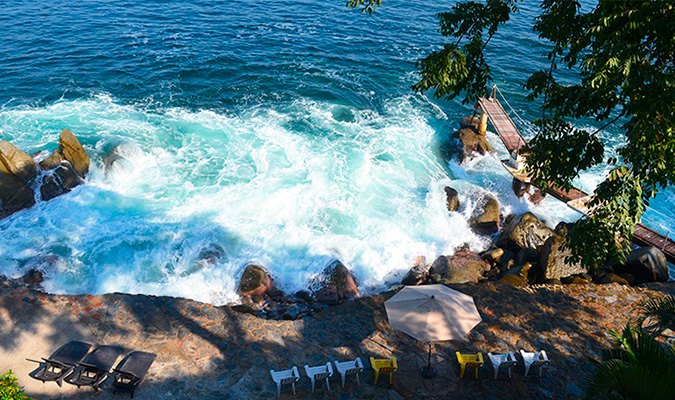
As of last season, Esencia also boasts a new collection of six suites that have captured the sophisticated traveler’s attention: the Beach Suites. Condé Nast Traveler called them the “room to book.” These sumptuous suites are only 20 meters (65 ft) from the glistening Caribbean, giving guests an authentic “‘barefoot in the sand’ experience together with the finest comforts of home.” Take a look at our gallery and fantasize about the lavish time you can have at Hotel Esencia.

hotel esencia's beach suites

Each one of Hotel Esencia’s Beach Suites features a private beachfront terrace, 600 thread count linens, an in-room double bathtub, a large HD television, and a sound system with iPhone integration — as well as favorite Hotel Esencia amenities, like complimentary Havaianas sandals.

Lest you may think there’s no room for food enthusiasts at the stylish Hotel Esencia, the boutique hotel recently debuted Mistura. This restaurant is led by chef Dimitris Katrivesis, who masterfully blends Peruvian and Japanese flavors to deliver a unique culinary experience.

Learn more about Hotel Esencia here, or contact one of our expert travel planners and begin designing your own dream vacation at this gorgeous property.


Journey Mexico wishes to acknowledge the generosity of Hotel Esencia’s owner, Mr. Kevin Wendle, who donated room nights at the hotel for an auction designed to raise funds for relief efforts after the earthquakes that hit Mexico City and neighboring states in September 2017. In the name of the Journey Mexico family, ¡gracias!

Exploring Central Mexico with Journey Mexico 2018

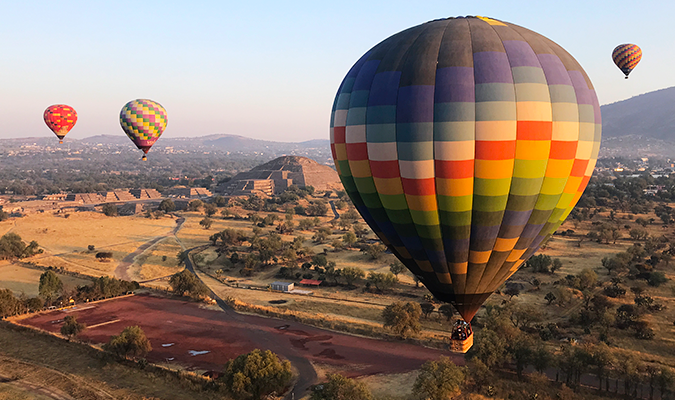
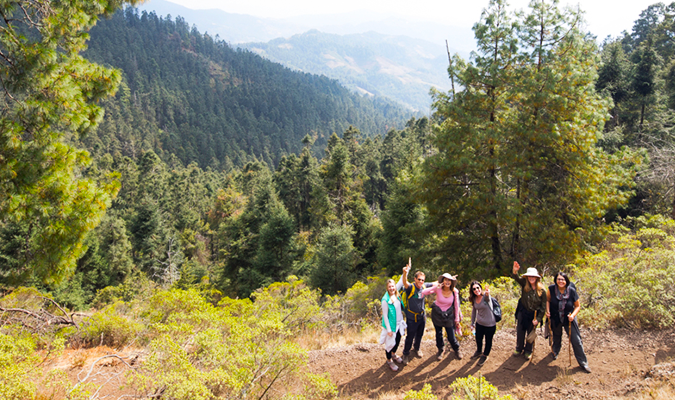
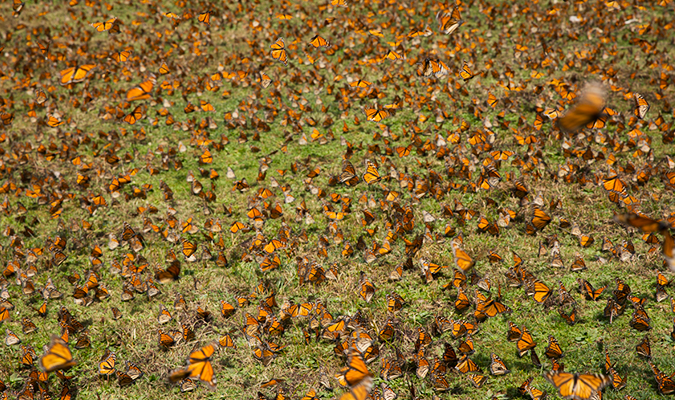
Every year Journey Mexico invites a select group of our elite travel partners to join us on a research and familiarization trip to let us show them what traveling with Journey Mexico is like. This year we decided to also have a 7-day research trip, hitting some of the most iconic attractions in Central Mexico: Teotihuacan, Mexico City, Michoacán and Puebla. Our guests had the chance to fly over Teotihuacan’s pyramids, try Puebla’s renowned cuisine and sit in the forest as thousands of monarch butterflies flew around them.

Take a look at the following pictures and see some of the best moments of our trip.

Puebla and Cholula

A model of colonial Puebla at the International Museum of the Baroque.

Teotihuacan and Mexico City

hot airballon ride teotihuacan

Hot air balloon ride over the ancient city of Teotihuacan.

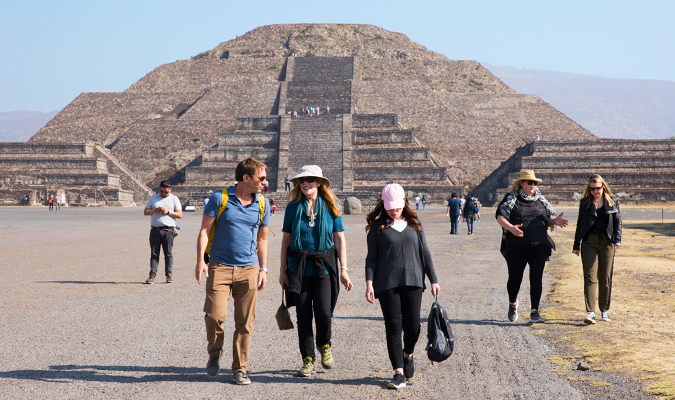
blog teotihuacan

Walking down the Avenue of the Dead in Teotihuacan with the Pyramid of the Sun on the background.

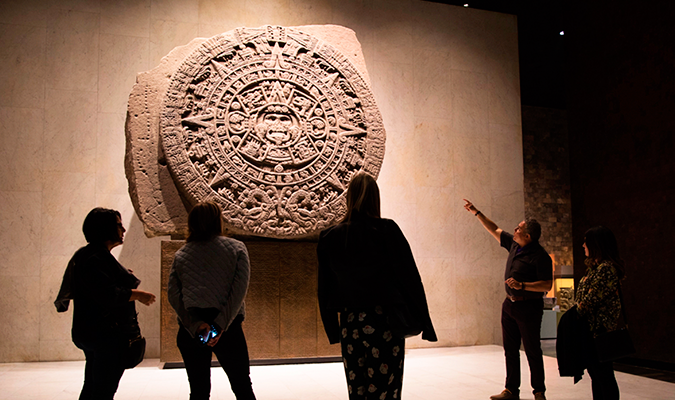
Guide Ernesto Rivera points to the Aztec calendar stone during a visit to the National Museum of Anthropology.

Michoacán

On the way to El Rosario Monarch Butterfly Reserve.


Are you interested in being part of these experiences on your next trip to Mexico? Take a look at our sample itinerary Mexico’s Great Colonial Cities for travel ideas to Mexico City and Puebla–or take a Culinary Tour Through Mexico City and Puebla if you’re into amazing cuisine. Monarch Butterfly season takes place from November to March, but February is the best month to see this magical migration.

KINAN SPA: A Haven of Mayan Wellness and Healing at Belmond Maroma Resort & Spa

Your stay at Belmond Maroma Resort & Spa is not complete without a pampering session at Kinan Spa, a true gem among wellness retreats, set among flower-filled gardens and 200 acres of lush rainforest, so close to the Caribbean you can feel the breeze. Treatments inspired by the wisdom and traditions of the Maya people perfectly complement the spa’s gorgeous setting, making for a unique mingling of nature and culture.

Mayan mud treatment at kinan spa

Kinan Spa, named after a Mayan word for the “healing energy of the sun,” is introducing Slow Beauty, a collection of experiences, workshops, and treatments directed toward anti-aging, daily rituals and cultivating attention to the body, mind and soul.

The goal of the Slow Beauty workshops is to learn daily rituals, recipes and ideas that promote personal growth when practiced regularly. As such, the real value of this experience is that it stays with you long after you have left the spa. Guests will learn the health benefits of practices like meditation and the use of essential oils, as well as natural bathing and a ritual designed to help break unwanted habits.

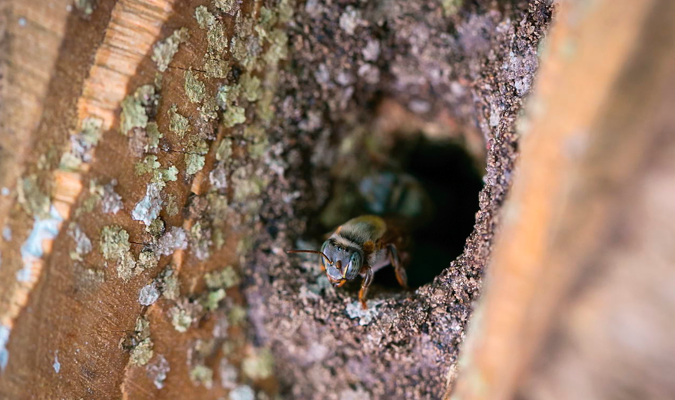
melipona bee

The stars of Kinan Spa are its Melipona bees, an endemic, stingless species whose honey was used centuries ago by the Maya to help heal burns and wounds. Their honey is still used by Mayan communities today to treat ailments like sinusitis, bacterial infections, bronchitis, and laryngitis. Melipona honey is a key ingredient in the Kinan Facial, designed to reduce inflammation and premature aging. The honey is also part of the Kinan Ritual, which uses a full body mask made of honey and salt from the Yucatán town of Celestún to draw out toxins.

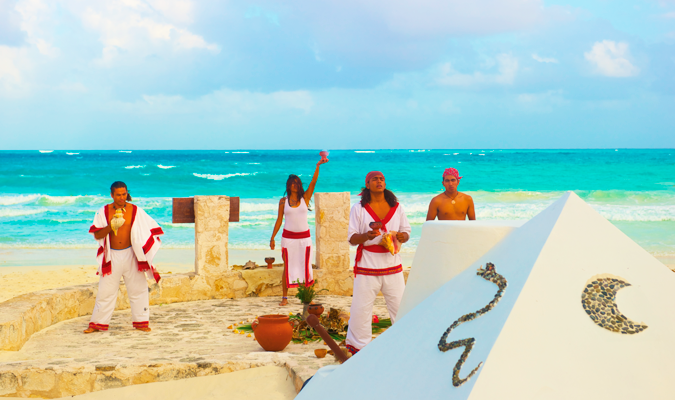
The Zempul-ché sweat bath ritual by the sea is another highlight of Kinan Spa. This sweat bath is more widely known as “Temazcal” after the Aztec name for it. Zempul-ché is seen as the womb of Ixchel —a Mayan goddess linked to the earth, fertility, and midwifery. The ritual takes place in an underground structure where guests are led into by a Mayan shaman. Within, they take part in a life-affirming ceremony of purification and rebirth.

zempul-ché mayan ritual at kinan spa

Cinthya Alva, Spa Director and resident beekeeper, wants guests to stop “for a moment to admire the surroundings and awaken the intuition lost in the daily routine.”

“At Kinan Spa we believe and embrace the idea that real beauty comes from inside and spreads throughout your body and soul,” she said.

Easter in Mexico – Semana Santa and Pascua

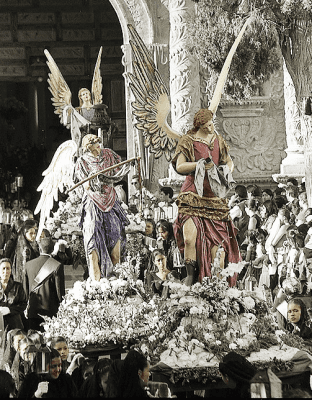
Easter in Mexico is a two-week holiday consisting of Semana Santa (The Holy Week, beginning on Palm Sunday and ending Easter Saturday) and Pascua (Starting with Easter Sunday and ending the following Saturday). Semana Santa is undoubtedly the most important holiday in Mexican culture. Schools and often businesses in Mexico close during these two weeks and many Mexican families go on holiday during Semana Santa and Pascua.

photo via mexperience.com

photo via mexperience.com

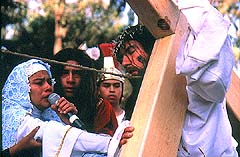
Across the country, Mexicans celebrate the last days of Christ during Holy Week with elaborate and much anticipated processions, ceremonies, and rituals. Most of the larger Semana Santa celebrations include a dramatic reenactment of the capture, the trial, and the crucifixion of Jesus. To be a part of these productions is a great honor and the actors are known for delivering inspiring and moving performances. Different regions of Mexico are known for practicing unique traditions during Semana Santa such as acts of physical torture, public displays of political/social ridicule, and displays of resolutions and commitment.

In some of the more devout regions of Mexico like Taxco, the reenactments include penitentes – men and women who show their penitence and prove their faith by inflicting physical pain on their bodies by whipping themselves or carrying large religious objects on their backs. This is an ancient tradition that dates back to the middle ages and was introduced to Mexico by the Spanish more than 500 years ago. During the reenactments, the actor playing Jesus usually wears a real crown of thorns and carries a massive cross weighing hundreds of pounds over great distances to the scene of crucifixion. Actors prepare both physically and mentally for months before hand with the support of their families and communities.

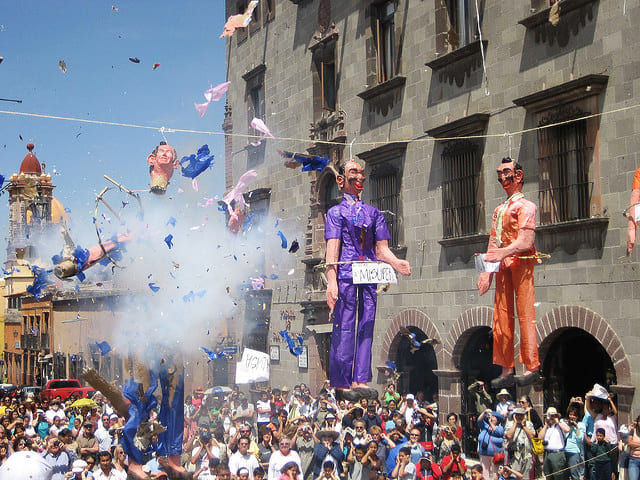
In towns like San Miguel de Allende, another Spanish-influenced tradition is celebrated during the Holy Week called “The Burning (or Firing) of the Judases.” In Spain, carpenters would make wooden dolls representing Judas, which would be hung and burned in town squares to punish Judas for betraying Christ. During the Holy Inquisition, when the Spanish were burning people at the stake for heresy, Mexicans protested by making dolls and dressing them like Spanish inquisitors and burning them instead of Judas. This evolved into the current tradition where giant Judases made from paper mache are dressed and painted to resemble political and public figures not currently in favor of the public. The dolls are then hung and blown up with fireworks, scattering limbs in the street for children to collect as souvenirs. Famous Mexican artists like Diego Rivera and Frida Kahlo were strong proponents of the value of art in political commentary and quickly adopted the tradition of creating Judases.

Other traditions focus on different ways to show your dedication and appreciation of Jesus’s sacrifice. In Iztapalapa, people called Nazarenes parade the streets before the procession of Christ, marching in promise to fulfill a manda, or religious promise, as payment for a granted favor from God. In many regions of Mexico, people show their devotion by visiting twelve different churches in a single day – one church for each apostle. In more remote regions like the Copper Canyon, local cultures mix christian celebration with ancient native rituals, paying homage to both their Spanish and Indian heritage (see: Copper Canyon Semana Santa Trek).

Jesus during Semanta Santa

photo via mexperience.com

Once the sacrifice is made and Jesus rises from the dead, Pascua begins and the second week of the Easter celebration carries on with a brighter tone, reflecting the resurrection, the start of Spring, and the promise of new beginnings. Many Mexican families travel to beach destinations like Acapulco and Puerto Vallarta during these Easter celebrations to enjoy the coast as they pay tribute.

Traveling to Mexico for Semana Santa and Pascua is an unforgettable experience, but can be tricky to plan logistically – especially last minute as the traditional areas of celebration and most beach destinations are usually booked in advance. Contact Journey Mexico for assistance with planning travel to Mexico for Semana Santa.

exploding_judases

Start Planning to Experience Easter Traditions in Mexico


To witness or take part in Easter traditions is a unique experience in Mexico. However, logistically, it can be difficult to organize with luxury hotels and villas snapped up quickly. Make sure to speak to a Journey Mexico Travel Planner who can organize your whole trip for you taking in the very best celebrations throughout the country. Our custom-tailored journeys start from $1,000 USD per day for two travelers in interior Mexico, and $1,800 per day for two travelers in beach destinations. Contact Journey Mexico here.

Mexico City’s Art Scene Heats Up: ZONA MACO & World Design Capital

Mexico City has been the artistic capital of Mexico since colonial times, when Europeans and the budding mestizo population began filling the city with palaces, theaters, and sanctuaries for the arts. The city’s reputation has endured well into our current day. Moreover, in recent years the city has garnered global recognition for its art and design scenes, as shown by its designation as the 2018 World Design Capital. Also of note is Zona Maco México Arte Contemporáneo, a prestigious art fair that is being held from Wednesday, February 7th to Sunday the 11th.

ZONA MACO International Art Fair

Zona Maco is a contemporary art and design fair, now in ts 15th edition, that gathers leading and emerging galleries from around the world. Zélika Garcia, a native of Monterrey and one of Mexico’s 50 most powerful women, founded Zona Maco in 2002. This year’s exhibitors hail from São Paulo, Madrid, Stockholm, Tokyo, Florence, Zurich, and Montreal—to name but a few cities. The fair takes place in Mexico City’s Centro Citibanamex and has consistently been a success not only with art professionals and collectors, but also with the general public.

Mexico City zona maco

Zona Maco features four sections. The Main Section is the fair’s largest and highlights the finest international artwork in sculpture, painting, installation, photography, graphics, video, and new media. New Proposals showcases emerging artists and fosters opportunities for new creators. Zona Maco Sur, now on its tenth year, invites an international guest curator. This year’s guest is the London-based Brazilian curator and editor Kiki Mazzucchelli. The Modern Art section features artwork from the first half of the twentieth century by international artists.

This year also marks the eighth edition of Zona Maco Diseño, an exhibit meant to boost Mexico’s design sector. Selections “include furniture, jewelry and both utilitarian and decorative collection objects.” Take a look at Zona Maco’s website to learn all you need to know before visiting.

World Design Capital 2018: Mexico City

Mexico City is the first city in the Americas to receive this title. The World Design Organization recognized Mexico’s capital for “blending old and new in innovative health, communications and security programmes, a bike sharing programme, urban gardens, parks and playgrounds.” However, the people behind Mexico City’s World Design Capital programme see this not just as a recognition for things done well, but also as a spur to keep making the city a better place to live.

Several cultural and academic events are taking place throughout the year in commemoration of this award. All events relate to six themes connected to urban challenges of the 21st century: a city’s identity, environment, public spaces, inhabitants, mobility, and creative economy. The goal is to create networks of leaders that share best practices and to start a dialogue on the relevance of design for society and the life of a city.

According to Time Out’s City Life Index, Mexico City’s inhabitants “soak up more culture than anywhere else, enjoying theater, cinema, art and live music 76 times a year.” The success of Zona Maco and Mexico City’s WDC designation are two more examples of the city’s vibrant cultural life. With these exciting developments, and after last year’s terrible earthquake, Mexico City shows it is unstoppable.


Mexico City Zona Maco

All photos by Mauricio Aguilar.


Interested in exploring Mexico City’s art and architecture? Contact one of our expert travel planners and let us put together a custom trip for you.

From the Villas Insider Key Blog: Villa Mandarinas

Over at Villas by Journey Mexico‘s Insider Key blog we’re featuring Villa Mandarinas, a gorgeous oceanfront property south of downtown Puerto Vallarta. We visited this month and have 11 photos that best represent the kind of amazing vacation you can spend at this colorful villa. Go take a look, let your mind wander and imagine your holiday at Villa Mandarinas:

Villa Mandarinas: Why this Villa is Perfect for Your Next Vacation in 11 Photos

Wendy Perrin’s WOW List is Out: Meet Your Trusted Mexico Travel Expert

Zachary Rabinor, founder and CEO of Journey Mexico, has been named to Wendy Perrin’s WOW List of Trusted Travel Experts for the fifth consecutive year. Formerly the Director of Consumer News and Digital Community at Condé Nast Traveler, Wendy is an authoritative voice among travelers and travel professionals; she continues to build on her reputation and success as Travel Advocate on TripAdvisor and the Founder and Editor of  WendyPerrin.com.

As a member of Wendy’s WOW List, Zach is recognized as one of “the most well-connected travel fixers and custom itinerary designers in the world,” in Wendy’s words. Since the WOW List’s inception in 2014, Zach has been named as the only Trusted Travel Expert for all of Mexico. The list has been a unique resource for sophisticated travelers seeking the world’s best destination specialists. Many of our travelers found us because of Wendy’s annual WOW List. If you’re looking for somebody like us for a destination outside Mexico, you’ll find that somebody on the WOW List.

Zach has written Insider Guides on Mexico City, Puerto Vallarta, and Riviera Maya for Wendy. She has highlighted Zach’s Mexico expertise by writing, “His deep relationships with local guides, communities, and hoteliers often translate into room upgrades, special-access visits, and off-the-beaten-path experiences that travelers wouldn’t know about otherwise.”

WOW Week 2018

This year, Zach and Journey Mexico are also joining in Wendy’s first-ever WOW Week social media travel festival. Every day from January 22 to 28, we will be sharing the best travel intelligence for 2018 on Facebook, Twitter, and Instagram. Here’s how you can be a part of the WOW Week conversation.


Your Luxury Holiday in Mexico, Without Luxury Prices

Journey Mexico CEO Zachary Rabinor recently gave The New York Times key tips on having a luxury travel experience in Mexico while on a budget. Zach’s advice focused on three things: when to go, where to stay, and what to eat.

The time of the year (even the day of the week) can make a big difference price-wise depending on where you’re going:

If you’re interested in Mexico City or Puebla, for example, plan a weekend visit when hotels offer lower rates for leisure travelers. The weekdays are dominated by business travelers, and nightly rates for a room can be twice as expensive compared to weekends […] When it comes to beach destinations, such as Cabo San Lucas, Punta Mita and Riviera Maya, go during low and shoulder season, from May to October, when luxury beach resorts have attractive deals and temperatures are still comfortable.

When it comes to accommodations, renting a villa is definitely an option to consider, especially “if you’re traveling with a group or have a family with multiple children”:

“The savings can be enormous because you’re buying most of your food and drinks from grocery stores and paying local costs with no markup,” Mr. Rabinor said. “Also, when you break down the price per room, per night, you’re likely paying 50 to 80 percent less than you would at a luxury hotel.”

Readers interested in booking a luxury villa for their next holiday in Mexico should contact the experts at Villas by Journey Mexico. For travelers looking at luxury hotels, Zach reccommended booking in advance and staying at recently opened hotels, two options that often offer lower rates.

Lastly, although there are plenty of high-end restaurants in Mexico, Zach advices the discerning traveler to seek out spots that may be less popular, yet are big with locals and just as delicious:

“You’ll enjoy world-class cuisine and drinks such as high-quality tequilas and mezcals for less than $50 a person,” he said.

You can read the whole article here.

Mexico and the U.S. are Closer Than Ever

Mexico and the United States are closer than ever with more and more flight opening each week from all across the States. Are you ready to visit Mexico?

Travel Weekly, a travel industry news resource, recently published an article titled “Ever-growing Air Options Thanks to Low-cost Carriers” by Meagan Drillinger, a Mexico specialist, where she covers the significant increase of flights between the U.S. and Mexico.   Drillinger writes:

“It is getting cheaper and cheaper to fly to Mexico from the United States.  As of August 2016, restrictions on flights between the U.S. and Mexico were lifted, which was expected to bring more options and lower fares for travelers.

In that wake, airlines like American, Delta and Southwest started announcing new flight roots. Then in December, Mexico and the U.S. opened their aviation markets to other carriers, as well, meaning that airlines on both sides of the border would be able to fly any routes they wanted at prices they would set. The result has been an explosion of Mexican low-cost carriers crossing the border, with dozens of new routes scheduled for the future, as well. “

According to Travel Weekly, the U.S. Department of Travel will allocate a total of 28 flight slots between Mexico City Airport and John F. Kennedy International Airport (JFK) in New York.  With the bulk of this allocation going to low-cost carriers, it makes travel to Mexico easy and affordable – especially perfect for shorter excursions like Journey Mexico’s Weekend Escape to Mexico City. Drillinger states:

“In the beginning of 2017, the U.S. DOT instituted a slot assignment to allocate a total of 28 slot pairs at Mexico City’s Benito Juarez Airport and at JFK. They were released in two phases for operations from this summer into summer 2018 and were provided exclusively to low-cost carriers. Six Mexican and U.S. airlines were seeking to access the 28 slot pairs. They were Alaska Airlines, JetBlue Airways, Southwest Airlines, Interjet, VivaAerobus and Volaris.”

St. Regis Mexico City, Luxury Hotel | Journey Mexico

In addition, Travel Weekly says that since Aeromexico and Delta completed their alliance late last year, the two airlines have been able to essentially operate as one airline – providing even more flight options across both the US and Mexico, making Mexico even more accessible.

Interjet, Volaris and Vivearobus, the main low-cost airlines in Mexico, are seeking to take advantages of these lifted restrictions, lower fares and increased visitors by expanding their flight options not only in and out of Mexico City but also to and from the most popular tourist destination within Mexico, such Los Cabos, Cancun and Puerto Vallarta, providing greater access to these incredible destinations.

Read complete article: Ever-growing air options thanks to low-cost carriers


It’s time to book your next vacation to Mexico, check our recommend trips in worldly Mexico City,  historical colonial cities or some of the best beach destinations on the planet – or combine all these locations in a custom itinerary for a complete Mexico experience.

Help Oaxaca Recover and Experience Day of the Dead

 day of the dead escorted group tour
One of the areas hardest hit by the 1st earthquake and latest aftershock (this past weekend) was the Isthmus of Tehuantepec (state of Oaxaca), specifically the village of Juchitan; we feel especially connected to the area as one of our staff members, Alejandro Gómez is from this village and his family was seriously impacted from the quake; his grandmother is unable to return to her home.  We have raised money from our staff (JM matched every $$ raised 2×1) to deliver tarps and other supplies in dire need as these villagers are facing rains and cool nights with no homes.  So far we have raised $45,000 mxn and are looking to raise more.  This $$ was sent to one of our most trusted guides in the region who is organizing supplies and driving them from Huatulco to Juchitan.

Aid Through an Incredible Travel Experience

In addition, we are running a small group Journey Mexico Departure for Day of the Dead in Oaxaca (same state as the above mentioned affected region) and have 2 (out of 14) spaces open: Escorted Group Tours – Day of the Dead Tour in Oaxaca.   We will donate 50% of the trip fee ($4,377 / person) for the remaining two spaces to the relief efforts too.  We’d love to get these spaces filled and want to let you know about this opportunity to experience one of Mexico’s most remarkable celebrations while helping the relief efforts in the Isthmus.


If you’re interested in helping the Journey Mexico effort, we’re glad to accept donations; however, as we’re not a registered 501C3 Non-profit institution, we are unable to provide documentation that will allow them tax deductions for charitable giving or you can also give to http://comoayudar.mx/world.html.

Update: Mexico City/Puebla Earthquake

Journey Mexico – Updated Mexico City/Puebla Earthquake Information, September 26, 2017 5:00 PM

As Mexico City and Puebla return to normal following the earthquake on September 25th, we have seen and incredible outpouring of support from across Mexico and endless acts of heroism.  The philanthropic sprit across the county is incredible—with Mexicans, rich and poor, doing all they can for their fellow compatriots.  In addition, international support efforts have been tremendous and reflect the feelings of friendship Mexico has built around the globe.

We welcome and encourage travel to Mexico, as there is no better way to help the country and people recover and show your appreciation and support.

Below follows our most current information on the affected areas and how it may impact travel; we’ve also provided options for donations to help those impacted by the earthquake


MEXICO CITY:

Mexico City Airport:  All airport services are fully operational and fights are back to normal schedules.

Roads / Traffic Signals:  There are isolated road closures rerouting traffic around areas with active clean-up efforts.  Traffic signals have resumed normal operation.

Public Transport:  All services are working normally, (metro, metrobús, camiones etc.); some are free of charge at this time.  Some bus routes have been modified to avoid streets with active clean-up efforts.

Water / Electricity: Water and electricity have been restored to most of the city; however, there are still a few pockets in the city affected by limited water supply (Iztapalapa, Tlahuac and Iztacalco).  There are intentional power outages on street with active clean-up efforts for security reasons.

Telecommunications:  Landlines in some areas are still down yet are expected to be back at 100% by the end of the week.

Hotels:  All of Journey Mexico’s hotel partners are fully operational.

Sites of Interest:  Most sites have reopened and are operating on regular scheduled hours.  Those still closed are Palacio de Bellas Artes, Museo Nacional de la Revolución, Museo Tamayo and the Museo Estudio Diego Rivera y Frida Kahlo.  We will continue to update their status.


PUEBLA:

Puebla Airport:  All airport services are fully operational and fights are back to normal schedules.

Roads / Traffic Signals:  Roads in the area are back to normal.  Traffic signals have resumed normal operation.

Water / Electricity: Water and electricity has been restored to the city.

Hotels:  All Journey Mexico hotel partners in Puebla are fully operational.

Sites of Interest:  The historical city center is open.  Some if the city’s historical buildings and churches sustained damage and remain closed.  60% city’s museums have reopened.


CUERNAVACA:

Sites of Interest:  The Palacio de Cortés and Catedral de la Asunción de María (Cuernavaca Cathedral) were damaged.  The Secretary of Culture and the Instituto Nacional de Antropología e Historia (National Institute of Anthropology and History) have closed the sites for inspection and are currently working to repair the damage to the cathedral; they will begin repair work on the Palacio soon.  The ex-convents of Tepoztlan & Tlayacapan also show some damage and have been closed, and, at this time, there is no set date for beginning repairs or reopening.

Donations:  Please check the following page for options: http://comoayudar.mx/world.html.  Mexico needs you now more than ever!

On Saturday, September 23 an aftershock stuck near Matias Romero in southern Mexico, further rattling this rural area. The area sustained damage to roads and more primitive structures—some of which had already sustained damage during the September 8th earthquake. This is a more remote region that is off the traditional tourism routes.

Baja California: A Fun-Filled Family Adventure

After countless trips to the amazing Riviera Maya and action-packed Veracruz, this past summer we finally decided to head to Baja California Sur on a fun-filled family adventure. Reading about the countless active-adventure experiences available in the region had certainly sparked our interest.

We started off with a direct flight from Mexico City to La Paz, which left us in awe as we had the most dramatic bird´s-eye view of the unique Baja topography; it is unlike anything that we had ever seen. The views are almost unworldly with the juxtaposition of the brown and barren mountain ranges jetting into such dramatically blue waters.

After breezing through the La Paz airport, which is small and very manageable, we headed to the Costa Baja Resort, where we were based for a few days while we explored the area. This property is on the outskirts of La Paz in a fairly new development adjacent to a marina, providing easy access to sailing and boat excursions. Another advantage of being in a nice marina is the easy access to top restaurants, where we enjoyed sunsets and chatted about the day’s adventures.

The Costa Baja Resort has spacious rooms, many with ocean views, and two outdoor pools; one of which is located at their beach club and has a shallow area for little ones. The beach club´s restaurant serves yummy, fresh, Baja-style cuisine with an emphasis on local seafood.

On our first morning, we started off early and hopped on a boat for a private tour of the absolutely stunning Espiritu Santo archipelago, which is protected and part of Mexico’s National Park system. As our captain guided us out through the Bay of La Paz, he gave us an educational overview of all the natural wonders that can be encountered in this area—coined by Jacques Cousteau as the “Aquarium of the World. En route to the islands we stopped to visit a sea lion colony were we got off our boat to snorkel with playful sea lion pups and juveniles in their natural habitat.  After this incredible encounter, we continued along the majestic coast of Isla Espiritu Santo, passing tranquil, aquamarine inlets set against rugged rock formations.  Turning into one of the inlets, we headed toward a deserted beach while fish darted beneath the boat.

Our guide and captain setup a temporary beach camp while we swam in crystalline waters on what felt like one of the most isolated and pristine locations that I have ever experienced. We enjoyed a delicious lunch and afterward kayaked from the beach over to a small island and back. This excursion offered the perfect combination of adventurous activity and relaxation. On our way back to the hotel, we boated past flocks of nesting birds and a former pearl farm. We learned more about the delicate habitats of the marine life, past overfishing and why the area is now protected.

After a day of rest and further exploring of La Paz, we headed out for the hour drive to the historical town of Todos Santos, a true oasis set in the desert landscape. Home to the famous “Hotel California,” this small town has attracted many artists, nature lovers and entrepreneurs over the years.  It is a quaint little town, small enough to explore on foot, with delicious restaurants and charming shops.


Just outside of town we tried our hand at surfing at Los Cerritos Beach. A sport like no other, we had a fantastic instructor who taught us the basics both in and out of the water. Memories of yoga returned to me as balance, focus and some core strength are necessary to maneuver, get to your feet, and catch that exhilarating “fist wave.”  This is absolutely a sport that I will to continue to practice, as it pushed me out of my comfort zone in an exciting way. Humorously, while I struggled to stay upright on the board, my son easily took to the sport and was able to catch wave after wave.

Our adventure continued to our final stop in Los Cabos with a stay at the wonderful One & Only Palmilla, located just outside of San Jose del Cabo. This hotel couldn´t be more perfect when it comes to pampering and family travel. We were greeted with refreshing fruit-infused water upon arrival and introduced to our butler who helped us arrange for a nanny in the evening so that my husband and I could enjoy a romantic dinner at incredible El Farallon restaurant located in The Resort at Pedregal.  Our room at the One & Only was grand, with ocean views and a large outdoor balcony with a lounge. The interior was impeccably appointed, from the embroidered pillows down to the handcrafted leather lamp shades. The property´s Pelican Beach Club was a favorite spot for us.  With one of the best “swimmable” beaches in Los Cabos, we enjoyed swimming and playing in the sand with our children—of course mixed which with taking breaks in our private sun lounge. The resort also has an impressive Kids Club that is complimentary to guests for children from 4-11 years of age; it offers all sorts of fun filled activities. Overall the service at this hotel is impeccable.


We certainly want to return to Baja California Sur soon, this time to discover Magdalena Bay during Grey Whale season and also to experience swimming with whale sharks in Balandra Bay off the cost of La Paz…hopefully this upcoming winter!

Updated Statement: Mexico Earthquake

Journey Mexico Southern Mexico Earthquake Update, September 8, 2017 7:00 PM

We at Journey Mexico are grateful for the outpouring of support and concern that we have received from our friends, clients, partners and suppliers from around the globe today.   As you know, a magnitude 8.1 earthquake occurred off the coast of southern Mexico (Chiapas) in the wee hours of Thursday night; we have spent much of the day gathering information from each of our regions of operation. Despite the magnitude of the earthquake, we can thankfully report that our current guests, staff and supplier partners are all safe.  Our hotel partners in the country have reported only minor damage and all remain open and fully operational.   The main roads and highways, airports, tourist areas, and public services, like water and electricity, are all fully functional.  Below are regional updates for the main tourism destinations within the impact zone in Southern Mexico.


STATE OF CHIAPAS UPDATE:

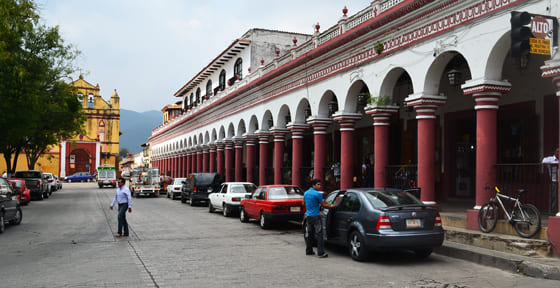
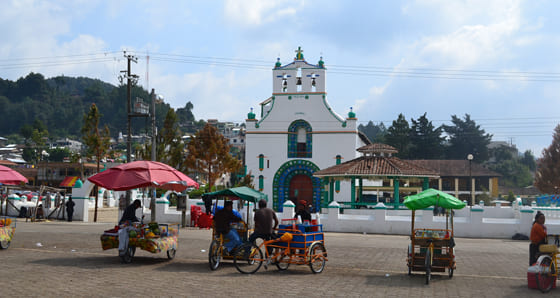
San Cristóbal de Las Casas– The city of San Cristobal reports light damage in the wake of the earthquake.  While hotels, schools, hospitals and most public buildings did not suffer damage, several older churches and colonial buildings have cracks and are under review by local authorities.  In particular, the well known church of Zinacantan is closed for inspection.  During the earthquake, the city and several surrounding areas lost power, but this has been restored.  All roads, airports and services are open and operating normally.

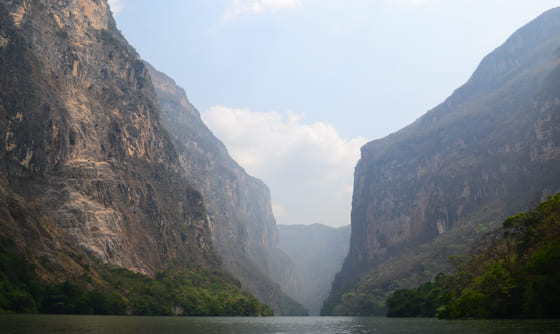
Sumidero Canyon– The region reports no damage and all roads are open and operating normally.

Tuxtla Gutierrez- The region reports minor damage and all roads, airports and services are open and operating normally.

Villahermosa- The region reports minor damage and all roads, airports and services are open and operating normally. During the earthquake there was a short power outage but power has been restored.  Several buildings are under inspection by local authorities for cracks and damage and are closed until cleared.

Palenque– The region reports no damage and all roads are open and operating normally.

Pijijiapan Coast- The coastal town of Pijijiapan is 123 km south west of the epicenter of the 8.1 magnitude earthquake.  This remote village was severely damaged and local authorities are working hard to rescue residents and stabilize local infrastructure.


STATE OF OAXACA UPDATE:

Oaxaca City- The mountain city of Oaxaca has reported minimal damage after the earthquake.  The hotels, schools and other public buildings have been inspected by local authorities and have so far been reported all safe and clear.  Schools were closed today due to building inspections but will open Monday as usual.  All highways are open.  There are no power outages.  The airport is open and operating normally. 

Valles Centrales- The small crafts villages around Oaxaca City are all operating normally and report minimal to no damage.

Sierra Norte- The mountainous region around Oaxaca City reports no damage and all roads are open.

Puerto Escondido/ Huatulco:  In the resort towns of Huatulco and Puerto Escondido, the community reports no damage or disruption.  The airport is open and travelers have been arriving all day.  Local authorities have sent teams to inspect hotels, schools and other public buildings for damage and all reports are clear.  All highways are open.  There was one closure due to a landslide on the road to Masunte where travelers often visit a sea turtle conservation project however this is being cleared and should resume normal operations.  There are no power outages in this part of the coast.

Southern Coastal Oaxaca:  There have been reports of damage from smaller coastal towns in the remote region of Istmo, Southern Oaxaca. In particular, the town of Juchitán de Zaragoza was severely damaged and local authorities are working hard to rescue residents and stabilize local infrastructure.


MEXICO CITY UPDATE:

México City- The capital city was largely unaffected by the earthquake and aftershocks that continued throughout the day.  While many restaurants, offices, schools and shops were closed today for precautionary measures, the touristic community reports no damage or disruption to tours for the rest of the weekend.  The airport is open and operating normally.  Local authorities have inspected hotels, schools and other public buildings for damage and all reports are clear.  All highways are open.   Museums, archeological sites and churches are now open and operating normally.

Cuernavaca-   This region around Mexico City reports no damage and all roads are open.

Puebla-  This region reports no damage and all roads are open.

2017 Updated Mexico Travel Warning From U.S. Department of State

In light of the updated US Department of State Travel Warning for Mexico (August 22, 2017) and in response to many inquiries about the situation on the ground, below follows our comments and insight into Mexico’s current travel environment.

As the travel warning states, there has been an increase in conflicts between rival criminal organizations in various areas within in the country in 2017.  Though these conflicts can be unpredictable, they are exclusively amongst and between organized crime groups.  There has been no evidence that the organizations have or are targeting holiday travelers or civilians that are not related to illicit activity.

Though there are extremely isolated cases of holiday travelers being impacted by the actions of the criminal activity, those who were impacted were not targeted.  It’s also important to mention that in general the locations of these episodes was generally far from tourism frequented zones with a couple of high profile, but anomalous cases.

The recent warning from the US government was brought about due to some recent criminal organization activity in the popular tourist destinations of Los Cabos and Riviera Maya.  Due to recent territorial conflicts in these areas, there has been an increase in violence between criminal organizations.   It is important to note that, again, these conflicts and any related violence have not and are not targeting holiday travelers.  There has been no violence against tourists within hotels or resorts or traveling to or from any of the main tourist attractions in the area.

Many areas of Mexico, such as the popular state of Yucatan and city of Merida, and throughout the Central Highlands in destinations such as San Miguel de Allende and Mexico City, have no travel warnings at all.  That said, general precautions, as one would take when traveling anywhere in world, should always be taken.

With proper preparation and information we encourage and feel confident that travel to and within Mexico continues to be safe.  We are confident that those who honor us with the opportunity to serve them will enjoy a secure and memorable travel experience.  There is never a guaranty of complete safety when traveling anywhere, even within the US and Europe, yet by working with a trusted and professional destination specialist, like Journey Mexico, travelers minimize risk by relying on experts to keep them in the right places.   Living in the destination and ensuring the safe and enjoyable experiences of guests on a daily basis daily, we understand the environment and monitor the situation constantly.  Our primary goal is client, staff, and partner safety and we refuse to operate in any area of the country where we do not feel confident that we can ensure the safety and security of all involved.  Furthermore, we are unwilling to operate in environments where we perceive elevated risk and are committed to vigilantly monitoring the local situations throughout the Mexican Republic; we have well developed contingency and risk management plans in place in the event that they should be needed.

For those looking to travel to Mexico, we advise only working with reputable, experienced travel professionals with close relationships in the specific destinations they will visit to ensure the best and safest travel experience possible.

Mexico’s Stunning Haciendas

Holding a rich and glorious, yet also ominous, place in the history of the country, Mexico’s stunning haciendas are unique memorials that offer tangible links to Mexico’s past.   Dating back as far as the 1500’s, immediately following the colonization of Mexico by the Spanish, haciendas have played an important part in what Mexico is today.

 Old photo – Hacienda Xcanatun

Let’s start with a look back.  As the Spanish first settled in Mexico, land grants were given to conquistadores, officials of the crown and Spanish dignitaries by the Spanish monarchy.  Some land grants were even given to regular Spaniards who petitioned the crown, volunteering to move to the new land for Spanish Crown.

Initially the land grants were not far-reaching, yet, fairly quickly these land grand grew—via land acquisition or simply by confiscating lands “owned” by the indigenous people.   As their acreage grew, some matching the size of whole countries in Europe, the Spaniards built large, colonial-style estates from which to operate business enterprises usually centered around agriculture, mining or livestock.  These large estates became the great haciendas of Mexico.

Old photo – Hacienda Xcanatun

During the 1700s, the haciendas had become bustling operations and construction grew from simple houses to elaborate grounds with additional living quarters, large stables for animals, buildings for workers and even churches and stores.  They became communities within the seemingly endless boundaries of the estate. For 200 years, the haciendas would grow in size, power and influence, even as the political and ruling system in Mexico changed hands from the Spanish, to Mexico, to the French and back to Mexico.

Hacienda Uayamon

Then, in November of 1910, things changed, and the beginning of the end of the great haciendas commenced.  This was the time of the Mexican Revolution, led by Pancho Villa, Venustiano Carranza, and Emiliano Zapata.  As part of the revolutionary uprising against the long-standing regime, the revolutionary soldiers decimated the haciendas as a show of power—raiding, ransacking and burning every hacienda they came across.   The massive lands the haciendas occupied were eventually given back to the people and the owners of the haciendas were only allowed to keep 200 acres.

Hacienda Labor de Rivera

Some haciendas were rebuilt and continued to function at a fraction of what they were prior to the revolution while others simply became residences.   Yet, many lay in ruins, shells of the grand estates they once were.

As many of these once regal buildings lay in decay, even as recently as this millennium, they were purchased and restored.  Many became unique, luxury properties where guests are able to re-live and re-experience the incredibly rich history residing in the walls of these stunning properties.

Hacienda de San Antonio

Our team has hand-selected the best-of-the-best of these hacienda properties across Mexico.   These properties have flawlessly combined the primitive feel of the haciendas, when the “charros” and plantation workers walked the grounds and the owning family lived in lavish, yet bygone, opulence, with modern luxuries and comforts to create a wonderfully exclusive Mexican experience.

Hacienda Temozón

With our wide selection of haciendas, we are able to provide distinct experiences for all types of travelers—from couples to families to groups.  Stay at a hacienda in the heart of a city for easy exploration, or one just outside the city for an escape after a day of touring, or one close to ancient archeological sites to dive deeper into Mexico’s rich history or even one perfect for families with fun, interactive experiences for the kids.

Hacienda San Gabriel de las Palmas

Make your trip a brief escape for a long weekend, stay a bit longer or, best of all, create a multi-destination itinerary and mix a stay at a hacienda with a visit to a beach resort and get the best of both worlds.

Anyway you choose, Journey Mexico can help you plan a memorable and custom-tailored travel experience to the most incredible and luxurious haciendas throughout Mexico.  Relive a departed era and important time in Mexico’s past with a truly unique Mexican experience today.

– Featured Luxury Haciendas –

Hacienda Xcanatun

Located just outside of Merida City, this beautifully-restored hacienda, set among lush gardens is like a tranquil escape from the city. The hacienda dates back to 1790 and was almost in ruins when the owners bought it and worked on converting it into a luxury hotel.

Hacienda de San Antonio

Flanked by an active volcano in the highlands of Mexico, Hacienda San Antonio is set around lush tropical gardens that center on a majestic water feature. Located just 30 minutes from Colima airport, and with its own private airstrip, the hacienda is easily accessible from the surrounding area.

Hacienda Uayamon

Built in 1700, Hacienda Uayamon is located in the Yucatan Peninsula outside Campeche and boasts a kind of rustic modern luxury.

Hacienda San Gabriel de las Palmas

Set among beautiful grounds, with soring palm trees, tranquil fountains and waterfalls, this 16th century Franciscan monastery was built on the order of conquistador Hernán Cortés and is now a luxury hotel.  Considered a museum as well as a resort and spa, guests will enjoy staying in a historical monument.

Mexico: The 8th Most Visited Country in the World

Mexico advanced one place from 2016 to 2017 in the rankings for the most visited countries in the world, moving from the 9th to the 8th most visited country in the world.

According to World Tourism Organization (WTO), in its recent World Tourism Barometer report, Mexico passed Turkey after receiving 35 million tourists in 2016.  Holding the top three spots are France at 86.2 million, USA at 84 million and Spain at 75.6 million.   The UK and Germany hold the spots above Mexico at 35.8 million and 35.6 million, respectively. With continued growth as more and more people discover and return to Mexico, it could climb to the #6 spot soon!

Rank Country UNWTO
Region
International tourist arrivals
(2016)
1  France Europe 86.2 million
2  United States North America 84.0 million
3  Spain Europe 75.6 million
4  China Asia 59.3 million
5  Italy Europe 52.5 million
6  United Kingdom Europe 35.8 million
7  Germany Europe 35.6 million
8  Mexico North America 35.0 million
9  Thailand Asia 32.6 million
10  Turkey Europe 32.0 million


International tourism receipts

In the official communicate issued by the Presidency of the Republic, Mexico has had a continued, growing, record upturn in tourism. The number of foreign visitors grew by more than 9% from 2015, with international tourist arriving by air growing by nearly 11%, establishing Mexico as a global tourist power.

Recognition and Awards

The incredible destinations and experiences available in Mexico continue to be recognized around the world.  San Miguel de Allende was recently named the World’s Best City by Travel + Leisure, Mexico won the Best International Destination for Family Travel at the Travvy Awards and Puerto Vallarta was named the second best international city for LGBTQ travel.

Discover the best of Mexico with Journey Mexico

The diversity in Mexico is incredible.  With so much to see and to, people can come back time and time again for a completely new experience.   Start planning your next trip to Mexico by checking out some of our best experiences to explore and fall in love of this beautiful country.

Yucatan Family Adventure
Extravagant San Miguel Allende + Villa
Culinary Tour Through Mexico City, Puebla, and Oaxaca
Morelia and the Monarch Butterfly Migration
Swim with Whale Sharks and Visit Ancient Ruins

Swimming with Whale Sharks in Mexico: 4 Facts to Know About Biggest Fish of The Sea

Swim with giant sharks? Are you crazy?!  Don’t worry, whale sharks are known as the Gentle Giants of the Sea.

As the largest fish on the planet, whale sharks can reach lengths of 18 to 40 feet (5.5 to 12 meters) and with an average weight of approximately 15 tons, making a swim with these incredible creatures a truly unique and wonderful “bucket list” experience.

whale shark

Mexico is the ideal location to swim, snorkel and interact with whale sharks, as these majestic animals visit both coasts throughout the year.  Mexico’s warm, clear and nutrient-rich waters create the perfect meeting place for man and fish.

With Journey Mexico, you can design an itinerary where one day you are visiting a Mayan archeological site or driving an off-road buggy through the desert and the next day swimming with whale sharks to create an extraordinary travel experience.

Four Facts to Know Before Swimming with these Docile Animals:

  1. Are they whales or sharks?

Because of their size, you may think they are whales, but in fact they are sharks. Yet, in spite of the shark’s scary reputation, there is nothing to fear.  Even with a mouth that is about five feet wide (1.5 meters) and with more than 300 tiny teeth, which they don’t use to eat, you are still way too big for them to eat and not on their menu.

Whale Shark

  1. But they are sharks, will they eat me?!

They are strictly filter feeders and their diet consists solely of plankton, tiny micro-organisms that live in the top layers of the sea, so swimming with these amazing creatures is totally safe and mind-blowing!

whale shark

  1. They all look the same

Although they may look the very much alike in photos and videos, no two whale sharks are the same.  Like your fingerprints, each whale shark has its own distinctive, and beautiful, pattern of white dots spread throughout their bodies.  Scientists use these intricate patterns to identify individual whale sharks and study their behavior.

Whale Shark

  1. Where to swim with whale sharks in Mexico

We are very lucky in Mexico, because the whale sharks visit areas of Mexico nearly the entire year.  They split their time between Mexico’s coasts, giving you the chance to choose your location for this incredible experience.

whale shark

Mexico’s Caribbean Coast:

From June to September, the whale sharks make a visit to the warm waters off the Yucatan – where the Gulf of Mexico and the Caribbean Sea meet.  Be sure to check-out some of our private whale shark swimming experiences and don’t miss out on this amazing event.

Baja Sur/La Paz:

From November to April, you can swim and snorkel with the whale sharks in the stunning waters of the Sea of Cortes.  Called the “world’s aquarium” by the famous Jacques Cousteau, this area is an ocean lover’s dream come true.  Book your next adventure with one of our customizable trips.

Are you ready to dive into this adventure? Contact one of our expert travel agents at [email protected] and let us design your next great vacation in Mexico.

Exploring Mexico with Journey Mexico FAM 2017

Each year Journey Mexico invites a select group of our travel partners to join us on a FAM trip and let us show them what a Journey Mexico travel experience is like. This year’s FAM took us to four states in 16 days—from the city to the beach and more. It was a great group and we could not have asked for better people.

Below are some of the photos shared on social media using the hashtag #JMFAM2017.

Una publicación compartida de Atlas Reizen (@atlasreizen) el

Una publicación compartida de Scarlett (@scarletteelizabeth) el

Una publicación compartida de Atlas Reizen (@atlasreizen) el

Una publicación compartida de Atlas Reizen (@atlasreizen) el

Una publicación compartida de Atlas Reizen (@atlasreizen) el


We look forward to the 2018 FAM and will begin planning soon. Do you have any ideas for us as we plan?