

COLONIAL MEXICO
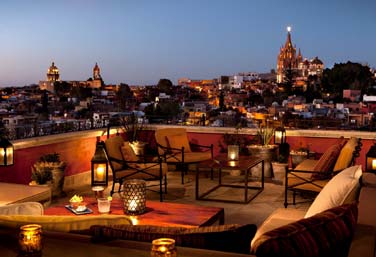
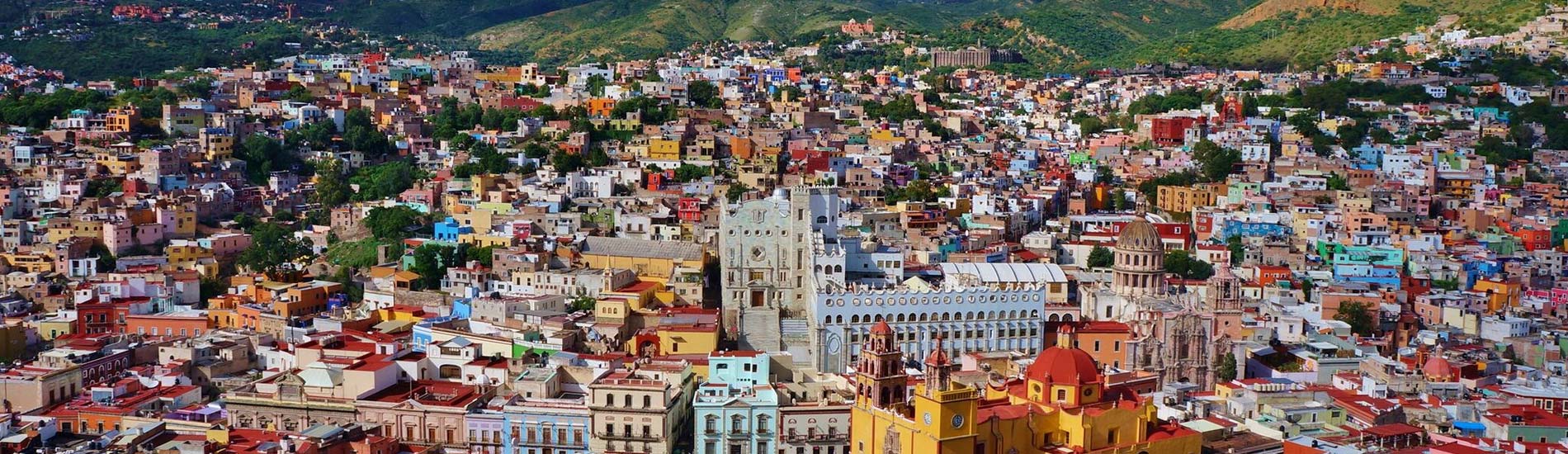
Baroque architecture, cobblestone streets and tree-lined plazas, speak of the strong Spanish influence that runs throughout Colonial Mexico in the heart of Mexico’s interior.
Recognized as the region that sparked the Mexican revolution, Colonial Mexico evokes sentiments of liberation and revolution and is still looked upon today as a source of national pride. Colonial architecture and Spanish-style cities evoke stories of Mexico’s pre-independence history while colorful cobblestone streets and baroque architecture attract visitors all year round.
SAMPLE ITINERARIES
Use the itineraries below to generate ideas for your vacation. Each itinerary is completely customizable – you choose your dates, accommodations, activities and more to create your perfect Mexico holiday.
16 Travel Itinerarie(s) Found
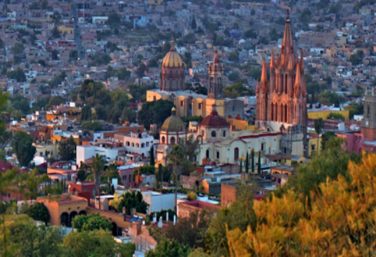
4-day Weekend Escape to San Miguel de Allende
Constantly named as one of the best cities in the world, San Miguel de Allende is a top art and gastronomy destination in Mexico and is
 |
Colonial Mexico, Guanajuato, San Miguel de Allende | |
 |
4 days |  From $Please inquire From $Please inquire |
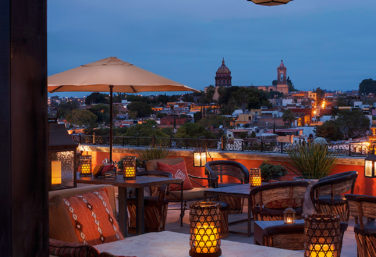
Winter Holiday In Colonial Mexico
Take the ultimate Christmas adventure and discover authentic Mexico’s beautiful and joyous festive celebrations.
|
Colonial Mexico, Guanajuato, Mexico City, San Miguel de Allende | |
|
8 days | From $Please inquire |
Countryside Escapes Outside of Mexico City: Mexico City, Tepoztlan and Puebla
Explore the nearby countryside on a visit to the state of Morelos and its Magical Town of Tepoztlan. Visit the historic palace and Ca
|
Colonial Mexico, Mexico City, Puebla | |
|
10 days | From $Please inquire |
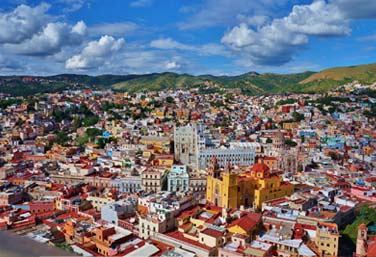
9-day Exploration of the Great Colonial Cities in Mexico
On this trip through colonial Mexico you will be winding down cobblestone streets, exploring colorful folklore, discovering pre-Columbi
|
Colonial Mexico, Guanajuato, Mexico City, San Miguel de Allende | |
|
9 days | From $Please inquire |

10-day Ultimate Day of the Dead Celebration in Mexico
Visit Mexico during the Day of the Dead Celebration (Día de Muertos) to experience this colorful, intimate holiday of love, loss, and
|
Colonial Mexico, Mexico City, Off the Beaten Path, San Miguel de Allende | |
|
10 days | From $Please inquire |
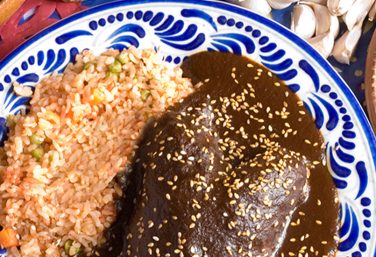
Culinary Tour Through Mexico City, Puebla, and Oaxaca
Taste your way through Mexico's divine history by sampling some of the finest gastronomic offerings in all of the country with renowned
|
Colonial Mexico, Mexico City, Oaxaca, Puebla | |
|
12 days | From $Please inquire |

Town & Sea: Exploring Magical San Miguel de Allende & Zihuatanejo
Discover Mexico's charms, both land and sea, by exploring the colonial town of San Miguel Allende and the beach destination of Ixtapa-Z
|
Colonial Mexico, Pacific Coast | |
|
7 days | From $Please inquire |
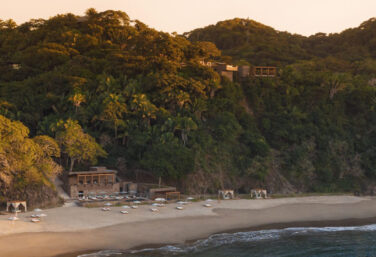
Mexico’s Central Highlands & Pacific Coast
Discover some of Mexico's most culturally rich states, including its capital, and immerse yourself in mariachi, folklore, colonial citi
|
Colonial Mexico, Guadalajara & Tequila, Guanajuato, Mexico City, Pacific Coast, Puerto Vallarta & Punta de Mita | |
|
12 days | From $Please inquire |
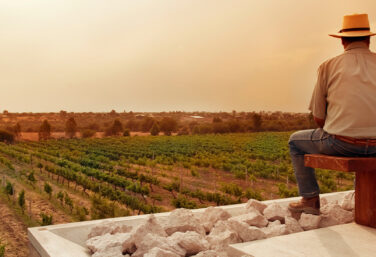
Food, Wine and Tequila in Colonial Mexico
This trip will captivate your senses through personalized private tours, an exclusive tequila tasting, hands-on cooking classes, visit
|
Colonial Mexico, Guadalajara & Tequila, Mexico City, San Miguel de Allende | |
|
9 days | From $Please inquire |
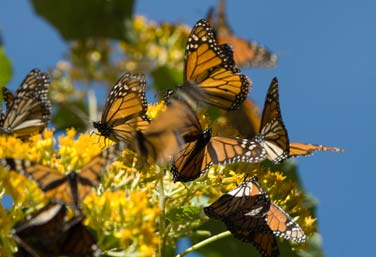
Magical Mexican Migrations: Pacific Whales and Highland Butterflies
Pacific Whales and Highland Butterflies is an encounter where explorers can experience both of these extraordinary congregations of wil
|
Baja California & Sea of Cortez, Colonial Mexico | |
|
10 days | From $Please inquire |
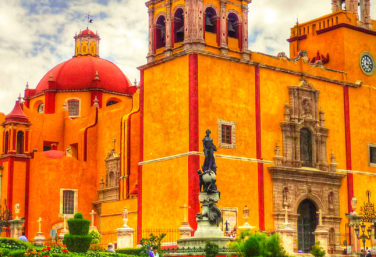
7-day Magical Tour of San Miguel de Allende and Guanajuato
Journey into the heart of Mexico’s independence and revolutionary past by visiting the UNESCO World Hertiage Cities of Guanajuato and
|
Colonial Mexico, Guanajuato, San Miguel de Allende | |
|
7 days | From $Please inquire |
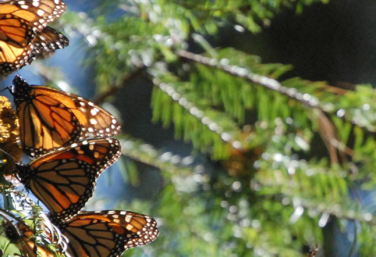
Monarch Butterfly Migration & The Colonial Heartland
Discover Morelia and witness the natural phenomenon of the Monarch Butterfly migration while also getting to visit several charming n
|
Colonial Mexico | |
|
8 days | From $Please inquire |
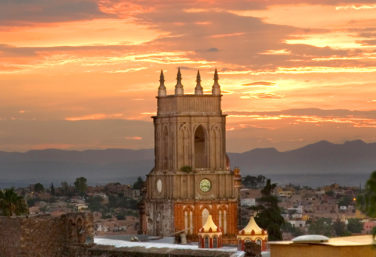
Culture of Mexico Experience
The Culture of Mexico Experience explores Mexico City, Guanajuato, and the Yucatan Peninsula for a look at the many of the traditions a
|
Colonial Mexico, Mexico City, Riviera Maya, Tulum & Cancun, San Miguel de Allende, Yucatan Peninsula | |
|
16 days | From $Please inquire |
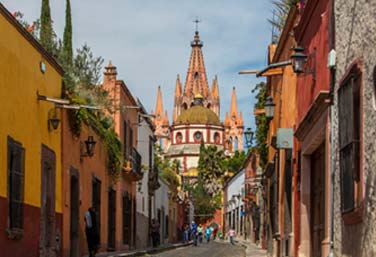
UNESCO World Heritage Cities
This trip visits the majority of Mexican cities that have been recognized as UNESCO World Heritage Site. In addition to visiting many o
|
Colonial Mexico, Mexico City, San Miguel de Allende | |
|
8 days | From $Please inquire |
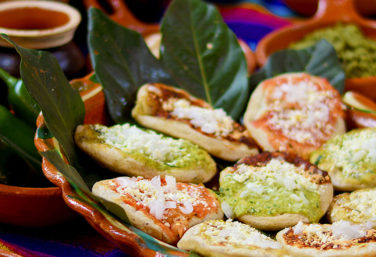
A Taste of Puebla Culinary Tour
This trip is designed to stimulate your taste buds with the unforgettable traditional food and drink of the Puebla region as well as te
|
Colonial Mexico, Puebla | |
|
5 days | From $Please inquire |
Colonial Mexico Highlights:
- San Miguel Allende – This colorful town is a thriving center for art and culture. Voted as the number one city to live in by Condé Nast in 2013, it is a bustling expat center with numerous cathedrals, shops, restaurants and art galleries. As you wander the cobblestone streets, don’t be surprised to stumble upon live music or a live performance at a park or in a restaurant.
- Querétaro – The capital of the state of Querétaro, this lively city is most beautiful at night. Said to be one of Mexico’s cleanest cities, it was deemed a UNESCO World Heritage Site in 1996.
- Guanajuato – Guanajuato is a city of incredible charm hidden in the Sierra de Guanajuato Mountains. Its center is a maze of cobblestone streets lined with pastel-colored buildings and colonial ironwork. Paying homage to its colonial past, Guanajuato has no traffic lights or neon signs and has been a UNESCO World Heritage Site since 1988.
- Morelia – Founded in 1541, the capital of Michoacán is a well-preserved colonial city and a UNESCO World Heritage Site. New buildings in the city’s center must follow strict building codes to maintain colonial Spanish architecture. The main plaza and numerous parks offer tranquil areas of retreat within the city.
- Pátzcuaro – Located in the highlands of Michoacán and in the heart of the Purépecha region, Pátzcuaro was named a pueblo mágico or magic town in 2002. Filled with impressive churches, cobblestone streets, and beautiful plazas, it overlooks Pátzcuaro Lake that is known for its unique Day of the Dead celebrations.
- Zacatecas – Capital of Zacatecas state, this colonial city is replete with Spanish style architecture and a large cathedral. Known for its silver-mining history, Zacatecas’ northern location limits the amount of tourism the city sees, making it a hidden gem for visitors.
- Monarch Butterflies – Every year, millions of monarch butterflies make a remarkable journey from Canada down to the pine tree-abundant mountains of Michoacán. A visit to this region outside of Morelia during this astounding migration is an unforgettable experience.
- Guadalajara – The capital of the state of Jalisco and second most populated city in Mexico, Guadalajara is the birthplace of mariachi music. Old colonial charm meets modern living in a city that boasts shopping, museums, sporting events and day trips to near by Tequila and Lake Chapala among the many things to do there.
- Puebla – Boasting more than 70 churches in the historic city center alone, Puebla maintains its close ties to colonial Spain through its architecture and famous painted ceramic tiles. A visit to the nearby magic town of Cholula to see the church built upon the largest pyramid base in Mesoamerica is a must.