Mexico Tourism: Facts & Statistics 2011

The following information information comes directly from The Mexico Tourism Board in 2011. 

To see the most updated, please go to: Updated Mexico Facts & Statistics

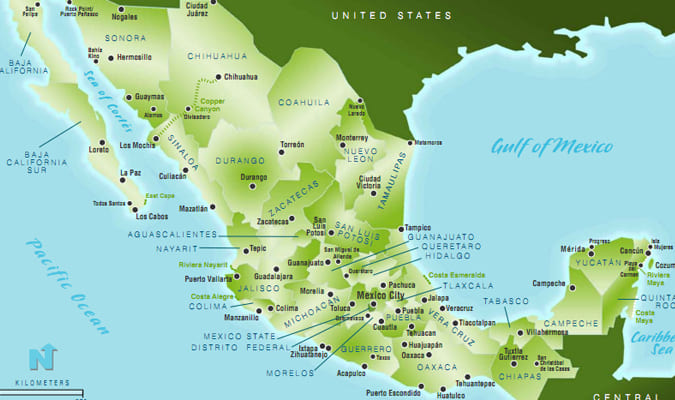
mexico-map
  • Mexico continues to be a destination of choice for many people around the world and is currently Ranked 10th globally in international visitor arrivals
  • Mexico remains the most visited country by Americans
  • In August 2011 Mexico saw an increased number of visitors from 145 countries around the world (year on year).
    Brazil (59.5%)         Russia (55%)         Ecuador (29.6%)        Australia (22.6%)
    Argentina (21%)     UK(19.6%)             Korea (18.9%)            Chile (15.9%)
    Peru (15.1%)           China (14.2%)       Italy (13.1%)               Japan (10.6%)
    Canada (9.2%)        Colombia (8.7%)
  • From January through July 2011 year on year, 11,440,000 international tourists traveled to Mexico, a 3.3 percent increase year on year. At this rate, Mexico expects to receive a record number of international foreign visitors in 2011, trumping our previous high of 22.4 million achieved in 2010.
  • May 2010 vs May 2011 (year on year statistics) – International air arrivals increased from the following countries: Brazil – 42.4 percent, Russia – 30.5 percent, China – 24 percent, Korea – 18.5 percent,Australia – 16.7 percent, Canada – 15.8 percent, United Kingdom – 15.8 percent
  • Year on year from January to May 2011, hotel occupancy rates increased by 2.3%.
  • April 2010 vs. April 2011 (year on year statistics)
    International Visitors Tourism Spend increased by 3.0%
    International Visitor Arrivals increased by 8.1%
  • According to SECTUR, tourism investment in Mexico for Q1 of 2011 is up 127%.
  • Approximately USD$1.5 billion will be spent on new hotel developments in Mexico.
    (Four new hotels in Queretaro, Los Cabos, Huatulco, and Mayakoba built by US chains.)
  • Over the first quarter of 2011 various European, American, Canada and Latin American carriers all noted makeable increases in the number of passengers carried into key Mexican hubs including:
    European Carriers:  British Airways (122.2%), France XL (150%), Lufthansa (22.7%), KLM (12.8%
    American Carriers: Delta (79.4%), United Airlines (51.5%)
    Latin American Carriers: Avianca (131%), Taca (77.7%), LAN (45.3%), Cup (37.2%), Cubana (27.9%)
    Canadian Carriers: Sunwing (98.7%), West Jet (43%), Air Canada (17.5%), Air Tranast (15.3%)

While there are current security and safety concerns, it is important that travelers get to know the “untold” story of Mexico.

  • There are many exciting developments happening in Mexico each and every day. Across various categories from tour operators, airlines, resorts, cruise lines and attractions, the first three months of 2011 has been proven to be a time of growth and continued prosperity.
  • There could not be a better time to visit Mexico.   Mexican tourism destinations have lower crime rates than many other prominent tourist destinations.
  • Travelocity ranked Cancun #3 and Puerto Vallarta #8 in its top ten summer family destinations for 2011.
  • Cancun was ranked the number one international destination on the Orbitz Insider Index Summer Travel report.
  • According to a June 2011, Conde Nast Traveler poll, Mexico has 19 of the top 250 spas, globally.
  • Mexico has a total of 18 AAA Five Diamond Awards, including two new lodgings and one new restaurant in January 2011. This is a further testament to Mexico’s longstanding reputation as a travel destination offering top-quality, unique and best-in-class resorts and hotels. The La Blanc Spa Resort in Cancún and Grand Velas All Suites & Spa Resort Riviera Maya join 12 other Mexican hotels to have already earned this distinction, giving Mexico a total of fourteen AAA Five Diamond Awards.
  • Riviera Maya, Mexico and two Mexican hotel properties have been recognized with a top travel destination award from Travel Weekly.   Also, several Mexico hotels were selected by Condé Nast Traveler Gold List 2011, Travel + Leisure World’s Best Hotels 2011 and Loreto, Mexico made The New York Times list of 41 Places to Go in 2011.
  • Mexico by the Numbers – in 2010 – there were 22 million tourists; 50 million-border crossings and 6 million cruise passengers that visited Mexico.
  • Mexico is the top destination for overseas American tourists, registering a market share of 14.7 percent in 2010, according to US Commerce Department figures. This share is historic and represents the highest recorded since 2005.
  • Mexico is a leader in sustainable tourism. The Mayakoba Resort on Mexico’s Riviera Maya was awarded with the prestigious Ulysses Award from the United Nations World Tourism Organization in 2011. In the ‘Innovation in Enterprises’ division, Mayakoba garnered the award for ‘Responsible Tourism Development’. Also in 2011, the Mayakoba Resort received recognition from the Rainforest Alliance for achievements in sustainable tourism.

To see the most updated, please go to: Updated Mexico Facts & Statistics


November Food Festivals of Mexico

November brings two of Mexico’s most cherished food festivals: The International Gourmet Festival in Puerto Vallarta (Nov. 10-20th) and the Taste of Playa in the Riviera Maya (Nov. 20th).

The International Gourmet Festival in Puerto Vallarta is a ten-day, annual event that has been attracting thousands of people from around the world every year since 1995. Founded by master chefs Thierry Blouet, Heinz Reize and Roland Menetrey, the International Gourmet Festival gives food enthusiasts an incredible opportunity to sample cuisine, taste wines from around the world, and watch cooking demonstrations in the finest restaurants of Puerto Vallarta.

The video below gives a nice overview of previous years’ events, and more. The full schedule and pricing for 2011’s Gourmet Festival in Puerto Vallarta can be found here. Be sure to contact one of our expert planners to build a trip around this world-renowned event!


True culinary fanatics can leave the Gourmet Festival a day or two early and hop over to the gorgeous Riviera Maya to savor the flavors of Taste of Playa. Only in its second year, this international event is quickly gaining recognition as reason to visit the Riviera Maya. Last year’s event attracted over 3,200 attendees eager to sample the best of what local chefs from over 25 of the area’s restaurants had to offer. For more information about the even, visit the Taste of Playa’s website and to book a trip for the event, contact one of Journey Mexico’s expert trip planners.

Archaeologists Find Aztec Ritual Platform In Mexico City

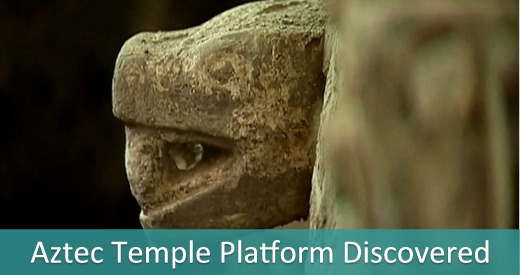
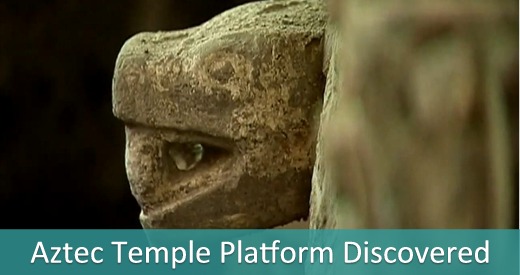
#MexicoToday: Under the hustle and bustle of modern Mexico City lie the ruins of the pre-Hispanic Aztec capital, once known as Tenochtitlán.  The center of this ancient capital was the Templo Mayor, which archeologists discovered in the mid 1900s and excavated in the seventies under the Mexico City Metropolitan Cathedral. Still a site for active digs, archeologists have recently discovered an Aztec ceremonial platform while doing remodeling work around the Templo Mayor in the centro historico, one of downtown Mexico City’s main attractions.

This newly discovered ceremonial platform is speculated to have been built around AD 1469 and is decorated with carvings of serpent heads, important in determining what the platform was used for.  A critical piece in a challenging puzzle for historians, this platform could represent a cremation site for Aztec rulers.  To date, archeologists have never found any royal Aztec tombs in their excavations of the ancient capital.  Researchers have been on a five-year quest to unearth remains of Aztec emperors around the Templo Mayor basing their digs on old historical accounts of cremation ceremonies written by Roman Catholic priests who accompanied the Spanish conquest in 1521. The records suggest that the Aztec rulers were cremated at the foot of the Templo Mayor and this platform may be part of the same structure.  Archeologists around the world agree that the discovery of a royal tomb would be a major break through in understanding Aztec kingship, burial and the structure of the empire.

The blend of pre-Hispanic and modern cultures in Mexico City and the continual discovery of ancient history in this metropolitan capital make the city a unique destination for the savvy traveler.  While this new platform will continue to be excavated until possibly May 2012,  the Templo Mayor and it’s adjacent museum in the Historic Center of Mexico City (included in UNESCO’s World Heritage list), remain open to the public. If you are interested in visiting Mexico City or other archaeological sites, contact Journey Mexico.


Early Human Footprints Found in Chihuahua

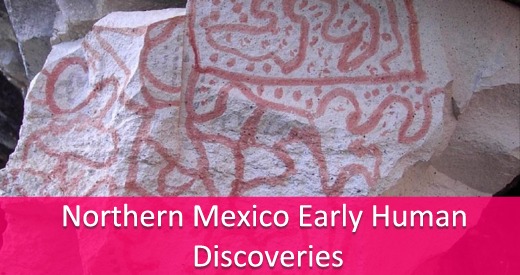
#MexicoToday: Mexico has received a lot of attention over the years for discoveries that trace back  thousands of years ago: ancient tombs, Mayan palaces, pre-Hispanic carvings, and now human footprints. Found in northern Mexico’s Sierra Tarahuamara in Chihuahua, officials said these footprints could have been left by some of the original humans who inhabited Mexico and even the continent.

According to the National Anthropology and History Institute (INAH), the five human footprints, which were discovered by locals hiking in the mountain chain, could be between 4,500 and 23,000 years old.  To date, the oldest human remains in the Americas on record are 11,600 years old; these too were found in Mexico, in a cenote (sinkhole) in Quintana Roo.  Scientists are hoping to authenticate these human steps found in Chihuahua as even older than these remains.  The INAH, currently undergoing a project called “Early Man in Mexico”, believe that this discovery could be extremely significant as these footprints are not only the earliest on record in Chihuahua but also are potentially from the first human beings to settle the whole continent.

Following this finding, the INAH began a detailed investigation of the area which uncovered traces of other primitive shelters and campsites. Near the original site, just outside of Creel in Ahuatos Valley, they also uncovered five caves, three of them with several layers of paintings. The cave paintings originated over three different periods of time, pre-ceramic, pre-Hispanic and colonial which leads our experts to believe that humans were present in the area from times dating all the way back to the Ice Age, over 12,000 years ago!

Mexico has repeatedly proven to be a never ending source of exciting archeological discovery.  This discovery comes just months after a new Mayan Palace was discovered in Chiapas and  two sculptures of Mayan Warriors  discovered at Toniná.  The opportunities for archeological enthusiasts abound and Mexico remains a world class destination for travel into the ancient past.


October 2011 Newsletter

OCTOBER 2011 NEWSLETTER
(View full newsletter >>)

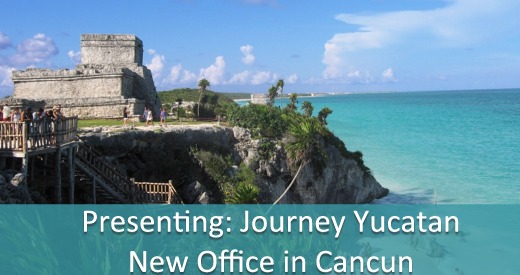
After months of anticipation, we are proud to announce the launch of Journey Yucatan, a branch of Journey Mexico specializing in the Yucatan Peninsula. In response to an increasing number of travelers looking for unique travel experiences in Mexico’s Southeast including the Cancun, the Riviera Maya, Campeche, and Chiapas, Journey Yucatan focuses on custom private tours, destination management services, and luxury transportation designed to get beyond the hustle and bustle of the typical tourist destinations. The Cancun-based Journey Yucatan team are available to create the most spectacular, creative, and memorable ways to spend your holidays. Their local knowledge is extensive and they take great pleasure in sharing exclusive insights with our important guests.

We are proud to announce that for the second consecutive year, Travel + Leisure magazine has chosen Journey Mexico Founder and President, Zachary Rabinor, as a member of their coveted A-List: World’s Top Tour Operators.


Best of the Blog This Month

New Archaeological Discoveries Mexico has been uncovering new discoveries that trace back thousands of years ago: ancient tombs, Mayan palaces, pre-Hispanic carvings, early human footprints and Aztec temples.

Share YOUR Mexico Experience Mexico Today launched its Social Magazine on Facebook and brings you the opportunity to share your Mexico stories for the chance to win $500.

Mexico at the Forefront of Sustainable Tourism Mexico has piled up their “green” awards to make it a recognized world leader in sustainable tourism development. The most fascinating story yet comes from the rehabilitation of Cabo Pulmo, a marine preserve.


Journey Mexico: On The Road and In The News

October 31 – November 4: Journey Mexico will participate in PURE Life Experiences Trade Event in Morocco. Find us at #A18

November 7-10: Journey Mexico will participate in World Travel Market in London, at #LA100

November 14-16: Visiting clients in Chicago

November 17-19: Signature Travel Network Sales Meeting and Trade Show #240


New Mayan Secrets Expected to Increase 2012 Travel to Mexico

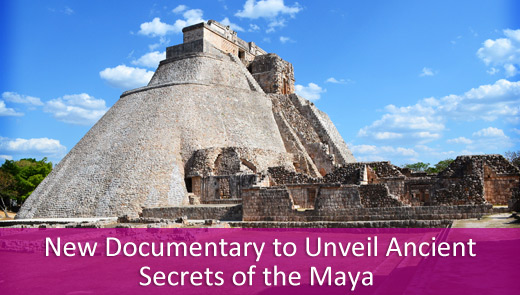
New documentary to unveil ancient secrets of the maya

#MexicoToday: Ever since modern man learned that the Mayan calendar seems to stop on Dec. 21st, 2012, there has been great anticipation for any types of “truths” next year will bring. Now, less than 15 months from the end of the last noted Mayan cycle, the promise of new Mayan secrets to be revealed before the fateful date have 2012 excitement more energetically-charged than ever.

According to Reuters, Raul Julia-Levy (son of famous actor Raul Julia) has been granted permission by the Mexican government to produce a documentary called Revelations of the Maya 2012 and Beyond that will reveal “shocking” information about the ancient culture, their understanding of the universe, and their knowledge of catastrophes yet to come.

Apparently, Julia-Levy learned of some of these ancient secrets from former Mexican president Vicente Fox (who happens to be a family friend of Julia-Levy) and has spent four years trying to convince the current administration to grant him permission to make this documentary. Mexico’s current president, Felipe Calderón has finally granted Julia-Levy permission to make his film but under two conditions: The documentary must be released before Dec. 21st, 2012 and the original screening must take place in Mexico.

According to Julia-Levy, “This is very important for humanity, not just for Mexico. This information has been protected for 80 years, and now it’s important for people to understand the series of events that are coming and the consequences for all of us… the Mexican government is preparing to tell humanity and the world things that are critical for us, for the way we live, for the way we’ve been handling the planet.” Other than that, Julia-Levy has been ordered to keep quiet about the secret insights of the Maya until the release of the documentary.

The Mexican government has estimated that some 52 million travelers will visit Mexico by the end of next year to learn about the ancient Maya. Specialist travel companies like Journey Mexico have been offering trips such as their Chiapas Mundo Maya adventure, where travelers have the chance to experience the ancient culture of the Maya first-hand by visiting ancient archeological sites with expert guides as well as by spending time with members of the modern-day Mayan civilization – many of whom still speak the ancient language of their ancestors.

In regards to Revelations of the Maya 2012 and Beyond, the Mexican government has travel experts and Mayan enthusiasts alike eager with anticipation. Luis Augusto Garcia Rosado, tourism minister for the Mexican state of Campeche, recently noted, “The Mayans used to construct one pyramid over another. In the site at Calakmul, workers for INAH have discovered rooms inside the pyramid that have never been seen or explored before, and we’re letting this documentary film there, to see what has been discovered inside the pyramid.”

While what exactly will be revealed through this documentary remains a mystery (for now), what’s certain is that the first to know will be in Mexico next fall.


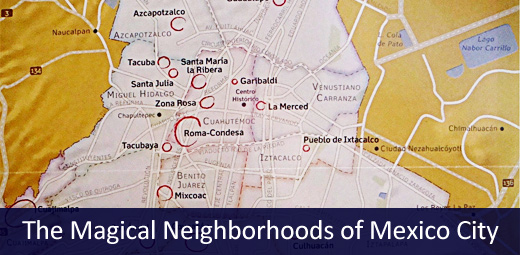
The Magical Neighborhoods of Mexico City

#MexicoToday: In the beginning of the year, we reported the Government investment of 330 million pesos in the the Barrios Magicos (Magical Neighborhoods) program in Mexico City. An initiative led by the Secretary of Tourism of the Federal District, the Barriós Magico Turisticos de la Ciudad de Mexico program proposed to showcase the most culturally rich spaces of Mexico City area to increase tourism.

After months of revision of many neighborhoods, a total of 21 have met the standards and requirements to be certified as a Magical Neighborhood.  The requirements were modeled after the national ‘Magic Towns’ program, having to meet the criteria of either holding some wealth of historic, architectural, cultural, gastronomic, or folkloric image to spark interest in visitors.  It also mandated that access roads to these neighborhoods must adhere to standards of security and cleanliness, while also controlling any unappealing activity so the area remains attractive. The designated budget for these 21 neighborhoods would help provide in maintaining the standards

The 21 Magical Neighborhoods that made the list are: Coyoacán, Roma-Condesa, Xochimilco, San Ángel, San Agustín de las Cuevas, Santa María La Ribera, Zona Rosa, Garibaldi, Villa de Guadalupe, Mixcoac, Tacubaya, Santa María Magdalena Atlitic, Azcapotzalco, La Merced, Mixquic, Cuajimalpa, San Pedro Atocpan, Culhuacán, Tacuba, Santa Julia and Pueblo de Ixtacalco.

Though the 21 neighborhoods blend to make up the entire urban area, they each conserve a distinguishable identity and environment, creating small pockets of culture and tradition sprinkled throughout Mexico City.  Particular points of history, quaint restaurants, hidden museums, flourishing plazas, and beautiful chapels add particular charm to these neighborhoods, connecting normal daily lifestyle with remembrances of the past. Some of the attractions in these neighborhoods have already been internationally recognized by UNESCO as World Heritage Sites, such as the Luis Barragán House and Studio in Tacubaya and also the zone of Xochimilco that have canals that are a reminder of the pre-Hispanic Aztecs. Other sites of interest that are already well-known include the house of renowned artists, Diego Rivera and Frida Kahlo, in Coyoacán and also one of the most visited churches in the world, La Basílica de Guadalupe in the neighborhood of Villa de Guadalupe. But as the program points out, the neighborhoods don’t necessarily have to have a specific point of interest to qualify as a Barrio Magico; it could simply be the ambiance and character of an area that earns it Magic Neighborhood status, as is the case  in Roma-Condesa, one of the trendiest and most artsy neighborhoods in Mexico.

As interest in travel to Mexico continues to rise, Mexico hopes to designate more Magical Neighborhoods over the next three years. Government and residents plan to continue to work together to conserve these areas and offer better options of culture, recreation, hospitality, and gastronomy to their visitors.

Journey Mexico’s Zachary Rabinor on the 2011 Travel + Leisure A-List

Journey Mexico in 2011 Travel + Leisure A-list

We are proud to announce that for the second consecutive year, Travel + Leisure magazine has chosen Journey Mexico founder and president Zachary Rabinor as a member of their coveted A-List: Word’s Top Travel Agents.

Each year, Travel + Leisure evaluates thousands of travel specialists around the world then hand-picks the best of the best to be a part of their A-List. The 2011 A-List was published in the September Issue of Travel + Leisure, which recently hit newsstands worldwide. Be sure to grab a copy and check out Zach’s feature be found on page 110!

Readers Speak Out About the Safety of Mexico

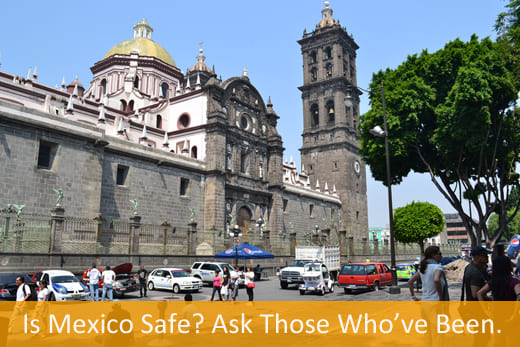
Is Mexico safe?

Readers Speak Out About the Safety of Mexico was originally written by Carol Pucci and has been re-posted from the Seattle Times

You’re thinking of taking a vacation in Mexico, but you’re concerned about reports of violence. Who do you trust to tell you whether it’s safe to go?

Tourism promoters with a stake in filling resorts and restaurants?

The U.S. government, which hasn’t updated its travel warning info at http://travel.state.gov since April?

Americans who have been there, or who live in Mexico?

I guessed the third option, and recently asked those of you who have been to Mexico to share your experiences. Nearly 100 people responded by email, with online comments at seattletimes.com/travel or by mailing handwritten notes.

This is for sure: There’s no making light of the violence caused by the warring drug cartels and the Mexican government crackdown on them. Several of you pointed out a noticeable police presence, even in tourist areas.

Most of you, however, agreed with the owner of a small beach hotel in Troncones, near Zihuatanejo.

“Not going to Mexico because of violence in some areas is like saying you won’t go to Ephrata because there was a shooting in Tacoma. Or Seattle, or Spokane, or Walla Walla,” he said in comments posted at seattletimes.com.

It’s true. And while he has a stake in having tourists come to Mexico, he offers good advice:

“Travel smart. Don’t think you can get away with something illegal just because you are an American. Avoid shady neighborhoods just like you would here. If something doesn’t feel right, it probably isn’t.”

Well said. Here’s more:

“Fearful of visiting Mexico, not us. We visited Loreto (in June). Walked the entire town without any fears. The people were very gracious … Bottom line, we have no concerns about traveling to Mexico. On the other hand, there are two things I wouldn’t do … (go to) border towns, and (take) long driving trips to the interior.”

— Bob, Camano Island

“We own a house in Puerto Vallarta, and travel throughout Mexico on the national bus lines. In all the years we have been going, I can count on less than one hand the number of violent crimes of which I am personally aware. No one makes light of the drug violence there, but when was the last time the U.S. government issued travel warnings to various American cities including the nation’s capital?”

— Doug, Seattle

“I am 17, and this summer I traveled with my parents to Mexico City. I had been wanting to visit the Mexican capital for over a year, but nearly everyone seemed highly skeptical and concerned for the terrible things that might happen … In truth, those 10 days were some of the best days of my life. I can say nothing but positive things about Mexico City, its people, and its culture, and hope that the stories about crimes will not discourage people from exploring the truly amazing country.”

— Megan, Seattle

“I go to San Cristóbal de las Casas in Chiapas at least twice a year. I not only have walked many times around the city at night by myself, I take public transportation to communities in the mountains. Never have I felt unsafe or even uncomfortable … U.S. travelers do tend to go to resort areas and thus never get to see the real Mexico. I equate it to people from Europe who come to Orlando and Disney World and think they know the United States.”

— Judith, Sequim

“My husband and I have been going to Mexico for three months in the winter for the past 14 years. We stay in San Miguel de Allende and often travel around Mexico. We actually feel safer there than we do here in our hometown.”

— Pat, Edmonton, Alberta

“My sister and I recently bicycled through much of Mexico. There is a huge difference between the common Mexican person living off their ranch and the drug-trafficking problems that have led to so much violence. The common Mexican person is a hospitable and friendly, genuine kindhearted person.”

— Jones.lee, Seattle

“I have been going to Puerto Vallarta for 15 years and feel very safe … I bring my 10-year-old grandson every summer. Do you think I would bring him if there was any question for his safety?”

— Judy, Santa Rosa, Calif.

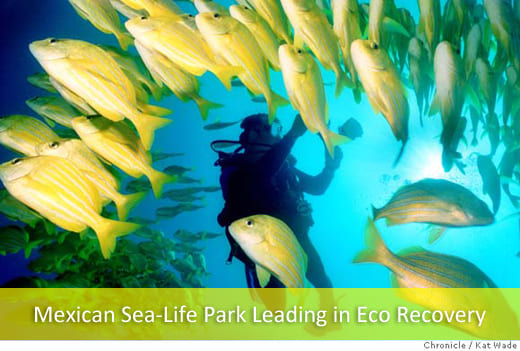
Mexico Leading the Way in Eco Preservation

sea life park in mexico

#MexicoToday: Over the past ten years, something remarkable has happened just off the southern tip of the Baja Peninsula in Mexico. In 1999, the marine area off the coast of Cabo Pulmo (located on the south-eastern tip of the Baja Peninsula) had been severely depleted of wildlife due to overfishing. But thanks to the efforts of the local communities of Cabo Pulmo, the amount of fish in the region has boomed by more than 460 percent in the past ten years.

Scientists are astonished by how the marine life of Cabo Pulmo has not only recovered from disastrous levels, but has actually reached levels comparable to remote, pristine sites that have never been fished by humans. In fact, no other marine reserve in the world has shown such a turn around in fish population, and this thriving underwater wildlife park is now the most robust marine reserve in the world.

The Cabo Pulmo National Park accredits much of the success to a few local families who have banned together to enforce the parks regulations and policies in regards to fishing and pollution, making Cabo Pulmo a model for other areas depleted by fishing in the Gulf of California and elsewhere. Their efforts have not only brought back the fish but have also increased eco-tourism to the area.

SCUBA diving enthusiasts from around the world have been flocking to the region to witness the coral reefs that are now home to lobsters, octopuses, rays, and small fish. Also swarming the reefs are large parrotfish, groupers, snappers, and even sharks like tiger sharks, bull sharks and black tip reef sharks, who have been found to actually keep coral reefs healthy.

For more information about how you can support the Cabo Pulmo National Park through eco-tourism, contact Journey Mexico.
 

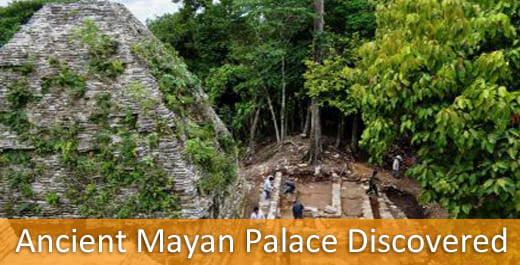
New Mayan Palace Discovered in Mexico

ancient mayan palace in chiapas, mexico

The archeological sites of Mexico having been offering up fresh findings at such a rapid rate, it’s tough to keep up. Just a few days ago, archeologists discovered what is believed to be a 2,000 year old Mayan Palace in the state of Chiapas.

This new discovery is particularly significant as the palace has become the first piece of evidence suggesting that Mayans occupied the Upper Usumacinta basin region of the Lacandona jungle as early as the year 50 B.C. Before finding this Mayan palace, it was believed that the Mayans hadn’t occupied the region until 250 A.D.

As is common of many ancient Mayan sites, this newly discovered palace had been covered by other structures that were built on top of it during the Classic Period (around 250-800 A.D.). Because the Mayans of the Classic Period often built atop previous temples and buildings, once uncovered, the structures underneath are usually very well preserved, offering archeological travel enthusiasts the unique opportunity to experience the re-writing of history as we know it – first hand.

The discovery of this ancient Mayan Palace comes just a month after a pristine carving of three jungle cats (deemed “The Triad of Felines” and believed to date back to sometime between 1500 to 400 B.C.) was discovered south of Mexico City. Just months before The Triad of Felines was discovered, archeologists found two Mayan sculptures at the ancient site of Toniná (also in Chiapas) that depict two captured enemy warriors, kept as trophies of strength and might.

For more information about visiting this and other newly discovered Mayan sites, contact Journey Mexico.


Violence in Mexico Old News for Travel Agents

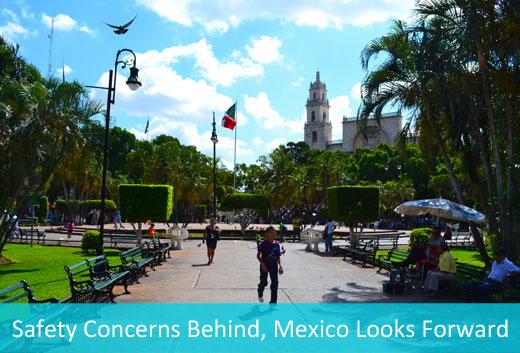
beautiful square in mexico

A delegation of tourism officials from Mexico recently returned from a tour of several US cities including LA, Seattle, Atlanta, Houston, New York, and Washington DC, where the delegates met with hundreds of travel agents from across the United States. The delegation, headed by Secretary of Tourism Gloria Guevara, are pleased to report that for most of the agents, the safety of Mexico was old news.

Instead, Travel Weekly reports, travel agents were interested in “[Mexico’s] upcoming events, promotions and winter season offerings.” COO of the Mexico Tourism Board, Rodolfo Lopez Negrete, remarked, “We are starting to turn the corner. The crime topic is old news now, and agents were eager to hear our tourism updates.”

Travel agents have a lot to be excited for in terms of upcoming events in Mexico. Guadalajara and Puerto Vallarta are set to host the 2011 Pan American Games from Oct. 14th to the 30th, where more than 6,000 athletes from 42 countries (including 275 from the U.S) will face off in international competition.

Overlapping the Pan Am. Games is the Adventure Travel World Summit, which will be held in Chiapas, Mexico Oct. 17th to the 20th. 2011 marks the eighth annual Adventure Travel World Summit – an important event in the travel industry held in a different country each year. Mexico is proud to have been chosen as this year’s host and is eager, as a country, to show off the endless amount of world-class adventure experiences to be found throughout the nation.

As 2011 draws to an end, Mexico will launch a year long celebration of the Mayan culture with a focus on Dec. 21st of 2012, when the Mayan calendar is believed to end. Special events are scheduled in the southern states of Campeche, Chiapas, Tabasco, Quintana Roo and Yucatan, and travel companies like Journey Mexico are offering trips like The Archeological Mayan Journey – a ten day excursion which takes travelers to the most renowned cultural and archeological sites of the Yucatan Peninsula in the company of one of the region’s most well-respected guides.

When it comes to travel, especially internationally, safety always comes first. Mexico enthusiasts are happy to see that US travelers and travel agents are beginning to once again understand that Mexico has traveler-safety covered.

September 2011 Newsletter

September 2011 Newsletter (View full newsletter>>)

Peter Greenbeg, credited as “America’s most recognized, honored and respected front-line travel news journalist,” hosts a special series on PBS called The Royal Tour in which he travels a country guided by its head of state. On September 22nd (September 23rd in Mexico), PBS will air ‘The Royal Tour: Mexico’ – Greenberg’s grandest royal tour to date.

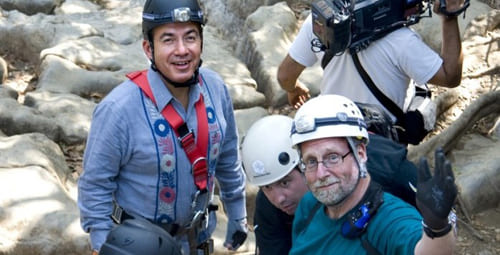
With Mexico’s President, Felipe Calderón, as his guide, Greenberg explored Mexico from top to bottom, undertaking such adventures as whale watching in Baja California, rappelling 110 stories down the Cave of Swallows in San Luis Potosi and zip-lining through the jungles of Puerto Vallarta. Sneak peek footage shows a fascinating journey spent exploring the Yucatan including a cenote dive where ancient Mayan skeletons have been found. In addition to the adventure, Greenberg was able to sit down with the President and discuss some pressing issues such as the United State’s perception of safety in Mexico.

Judging from the trailer ‘The Royal Tour: Mexico’ looks fantastic. For behind-the-scenes footage and more information, visit the official website and don’t forget to set your TiVos now because, trust us, Mexico is going to blow you away!

Journey Mexico News

The Adventure Travel Trade Association (ATTA), the largest international network of adventure travel companies and organizations, is holding their their annual World Summit in Chiapas, Mexico this upcoming October. Journey Mexico Founder and President, Zach Rabinor, has been asked to be a speaker at the summit and also to lead a Pre-Summit Adventure through the Copper Canyon.



Hotel & Industry Updates

Hacienda Misné: This beautiful hacienda in Merida is one of our new favorites added to our hand-picked portfolio.Hacienda Misné creates a oasis of peace and relaxation with a unique combo of colonial architectural details with a slightly french influence.



Cabo Surf Hotel: This boutique beach resort is located on one of the most privileged beaches in Los Cabos Cabo Surf Hotel is one of our favorite to recommend to clients looking for luxury and surf.

 

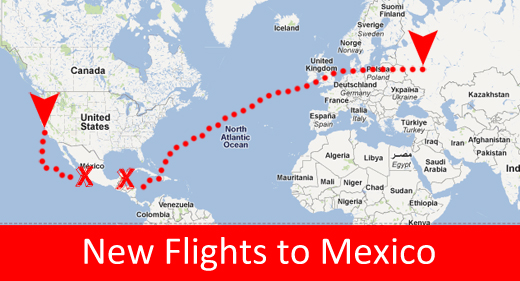
New Flights: Lufthansa is launching a new service from Munich to Mexico City. Virgin is launching service from San Francisco to Puerto Vallarta. Aeroflot is launching service from Moscow to Cancun.


Journey Mexico: On The Road and In The News
October 12: Journey Mexico will be offering an ATTA Pre-Summit Familiarization Trip through the Copper Canyon

Ocotber 17-20: Adventure Travel World Summit where Zach will be a guest speaker


October 31 – November 4: Journey Mexico will participate in PURE Life Experiences Trade Event in Morocco


November 7-10: Journey Mexico will participate in World Travel Market in London



We are proud to announce that for the third consecutive year, Journey Mexico has achieved a spot on Inc. magazine’s annual list of the 5000 fastest-growing privately owned companies.


Two New Flights to Mexico Finalized

flight map from russia and the united states to mexico

As interest in Mexico continues to rise, two new and much anticipated flights to Mexico have been confirmed.

Having recently received approval from U.S. regulators, the consumer-lauded airline Virgin America has announced that their new flight from San Francisco, California to Puerto Vallarta, Mexico will begin on December 2nd of this year. The direct flight will run twice a week (Mondays and Thursdays).

Virgin has been quoted as seeing an increasing demand for flights to Mexico from their customers, and this new flight from San Francisco to Puerto Vallarta will become Virgin’s third destination in Mexico. Virgin America currently flies to Cancun and Los Cabos.

The biggest increase in demand for Mexico has interestingly come from the Russian market. In 2010, Mexico saw an increase of travel from Russia of 134% and from Jan. to Apr. of 2011, Mexico has already seen 64% more travelers from Russian than in 2010!

To accommodate this enthusiastic market, the Russian airline Aeroflot has confirmed that they will begin a new flight from Moscow to Cancun on October 30th of this year. The flight will run every ten days and accommodate 241 passengers.

As more and more new flights to Mexico continue to be confirmed, the 2010/2011 winter is on pace to see record numbers of international visitors.

August 2011 Journey Mexico Newsletter

AUGUST 2011 NEWSLETTER
(View the full newsletter >>)

Jacques Cousteau once called Mexico’s Sea of Cortés “the Aquarium of the world,” and for good reason as 39% of the Earth’s marine mammals either live in or visit the Sea of Cortes during their lifetime. Nearly all of the World’s Gray Whales are born just off the coast of Baja, Mexico and each winter, thousands of Gray Whales migrate back down to Mexican waters to breed – offering travelers unforgettable up-close-and-personal encounters.

Traditionally, exploring the Sea of Cortés and its wildlife has meant camping in the rugged terrain of Baja California, which is great for adventure lovers but can be discouraging for others. Now, however, Journey Mexico is excited to offer a fabulous alternative: an eight-day, seven-night cruise aboard a 120-foot, 22-guest yacht.

On The Sea Quest Explorer, you’ll tour the Sea of Cortés, a World Heritage biosphere reserve that harbors more than 900 islands (many uncharted), flora, fauna, and animals found nowhere else in the world. In addition to whale watching and site-seeing, travelers will enjoy a burro ride through the arroyos, swimming with baby sea lions, and a visit to Isla Coyote, a tiny island populated by only two families! Included in the experience are two-person sea kayaks, paddle boards, snorkeling and water-skiing equipment, a sailboat, and motorized shore boat for close-up wildlife viewing.

As a kick off promotion, we are pleased to offer travel credits of $200 dollars per person (and $400 dollars for teenagers) for select travel dates booked by September 30th, 2011.

Journey Mexico Leading an ATTA Pre-Summit Adventure

The Adventure Travel Trade Association (ATTA), the largest international network of adventure travel companies and organizations, is holding their their annual World Summit in Chiapas, Mexico this upcoming October. Together with the State of Chihuahua, Journey Mexico will be operating a pre-summit adventure to the Copper Canyon. The Pre-Summit Adventures provide Mexico the opportunity to showcase the beauty of their area and their talented tour operators. To find more information on how to join the Copper Canyon tour, click here.

Journey Mexico News

Mexico Safety The Journey Mexico blog has quickly established itself as a leading resource for all up-to-date (and from-the-ground) information about Mexico. Our posts on the latest in the safety of Mexico have been getting hundred of shares throughout our social media networks. For the latest safety updates, click here .

Hotel Updates

Demetria: This new and innovative boutique hotel is in one of the most exclusive zones of Guadalajara. The cultural and artistic aspects of this hotel is mixed to create a full urban environment of life and we are delighted to share it in our exclusive portfolio.


Four Seasons Punta Mita: Back by popular demand, their “1-2-3-4 Reasons to Vista Punta Mita” promotion is back, including a $1,234 resort credit.


Journey Mexico: On The Road

August 12-19: Zach wil be traveling to Las Vegas for Virtuoso Travel Mart

August 20-26: Zach will traveling to New York for client visits

August 24-29: Matteo will be traveling to New York for client visits

September: Journey Yucatan will be launched with a new line of product 6* transfers, tours, excursions, yachts, villas, incentives & more!


How Safe is Mexico?

cathedral in Guanajuato, Mexico

How Safe is Mexico was written by Carol Pucci and was posted on The Seattle Times

I’ll be taking my first trip to the Yucatan in Mexico later this year, and I’m excited to delve into Merida’s music scene, explore ancient ruins and relax along the Mayan Riviera.

I’m also thrilled about the prices. I’m paying $60 for two, including breakfast, at the Hotel Julamis, a boutique inn with a garden and pool in Merida’s historical center. For a short stay in the beach town of Puerto Morleos, I found a studio apartment for $80, with free bikes thrown in.

I’ve traveled in Mexico for years, and I always look forward to going back. Mexico is cheaper than Hawaii and, to me, more interesting than Costa Rica. But with all the reports of drug-related violence and killings, people ask, “Is it safe to go Mexico?”

I put the question to Mexican Tourism Secretary Gloria Guevara, who was in Seattle recently for meetings with airline executives and travel agents.

Her answer: “Get a map.”

Misconceptions of Mexico

Surprisingly, Guevara didn’t sugarcoat the impact the violence among warring drug cartels has had on how people feel about travel to Mexico. How could she when I brought along a news clipping about a man’s torso and arm found on a street near a beachfront hotel in Acapulco? Mexicans are as upset about what’s happening in their country as anyone.

But Guevara points out that Mexico is a big country, with 2,500 municipalities.

“All of the problems you hear about have occurred in just 80 of these places, less than 5 percent,” nearly all outside the places most travelers go.

“Asking if Mexico is safe,” she says, ” is a little like asking if something happens in Atlanta, is it safe to go to Seattle.”

Fair enough. So what is the biggest misconception people here have?

“When they think of Mexico, they don’t think about specific places,” Guevara says. “They just say ‘Mexico.’ ”

It’s true that drug-related violence has left thousands of Mexicans dead in the border towns of Ciudad Juárez and Nuevo Laredo. The violence lately has begun to spread, and the country remains under a U.S. State Department travel warning (see www.travel.state.gov).

It’s also true that most American tourists go to a handful of destinations such as Los Cabos, Puerto Vallarta and the Mayan Riviera, all areas as safe as they look.

Tourism is hugely important, generating 22 million international visitors annually, 2.5 million jobs in 2010, and $11.8 billion in revenue, according to Mexican government figures. It’s Guevara’s job to promote travel. But I get her point.

I’ve never felt unsafe in Mexico. Not taking the subway in Mexico City. Not riding a long-distance bus to Mazatlan in the state of Sinaloa, home to one of the most powerful drug cartels. Not walking the streets of Guadalajara, Sayulita, Oaxaca or Guanajuato.

Most people who go to Mexico feel this way, Guevara said. Ninety-nine percent of travelers who responded to a recent government tourism survey said they had a good experience and would go back again, she said.

“The fact of the matter is that most of central and southern Mexico sees less violence than many U.S. cities,” writes Lonely Planet guidebook author Robert Reid.

The U.S. travel warning advises which areas to avoid. None include Reid’s top destinations — Mexico City, Merida, Todos Santos, San Miguel de Allende, Huatulco, Playa del Carmen, Guanajuato and Puebla. I’d add Oaxaca for food and art and Guadalajara for shopping.

Guevara says that the best way to judge what it’s like in Mexico is to ask someone who’s been recently.


The Journey Mexico ATWS FAM Trip to the Copper Canyon

man taking photo of the copper canyon

Now that we’re less than two months away from this year’s Adventure Travel World Summit in Chiapas, Journey Mexico is excited to offer attendees our Pre-Summit Copper Canyon FAM Trip.

The Copper Canyon FAM will run from October 12th-16th and is free of charge for ATWS attendees! Trip members will explore the Sierra Madre Mountains on one of the greatest train adventures in the world, the famous Chihuahua al Pacifico! In addition to the train trip, adventure enthusiasts will have the opportunity to go zip lining, rappelling, rock climbing, and to marvel at the world’s longest cable car high above the canyon floor.

Trip members will be introduced to local communities of the Sierra Madre and have the chance to visit craft cooperatives and markets. Site-inspections of several iconic hotels and dinner at the finest restaurants in the region will also be a part of the experience.

For more information about the Copper Canyon FAM Trip, visit our Pre-Summit Adventure page here >>


Mexico Safer Than Headlines Indicate

women shopping in Oaxaca, Mexico

Mexico Safer Than Headlines Indicate was written by Christine Delsol and has been republished from SF Gate

Quick – which national capital has the higher murder rate: Mexico City or Washington, D.C.?

If you answered Mexico City, you’d be in good company – after all, Mexico is a war zone, isn’t it? But you would be wrong, on both counts.

Based on FBI crime statistics for 2010 and Mexican government data released early this year, Mexico City’s drug-related-homicide rate per 100,000 population was one-tenth of Washington’s overall homicide rate – 2.2 deaths per 100,000 population compared with 22. (Drug violence accounts for most murders in Mexico, which historically does not have the gun culture that reigns in the United States.)

And while parts of Mexico can be legitimately likened to a war zone, drug violence afflicts 80 of the country’s 2,400 municipalities (equivalent to counties). Their locations have been well publicized: along the U.S. border in northern Baja California, Sonora, Chihuahua, Nuevo Leon and Tamaulipas states, and south to Sinaloa, Michoacan and parts of San Luis Potosí, Nayarit, Jalisco, Guerrero and Morelos states.

The flip side is that more than 95 percent of Mexico’s municipalities are at least as safe as the average traveler’s hometown. Yucatan state, for example, had 0.1 of a murder for every 100,000 people in 2010 – no U.S. tourist destination comes close to that. Most cities in central Mexico, outside of the scattered drug hot spots, have lower murder rates than Orlando.

It would seem fairly clear – fly, don’t drive, across the border into the safe regions. Yet whenever people say they are going to Mexico, the invariable response is “Aren’t you afraid?”

Media sensationalism accounts for much of the wariness. “Gangland violence in western Mexico” “Journalists under attack in Mexico” and “Mexico mass grave toll climbs” sound as if the entire country were a killing field. The story might name the state, but rarely the town and almost never the neighborhood. And some reporters apparently are confused by the word “municipality” – some of the killings reported as being in Mazatlan, for example, actually happened in a town miles away from the city – akin to attributing East Palo Alto’s slayings to San Francisco.

But the biggest factor may be that travelers looking for a carefree vacation simply find it easier to write the entire country off than to learn what areas to avoid.

The Mexico Tourism Board is working to change that. Efforts so far have concentrated on getting accurate information to travel agents, who funnel the lion’s share of tourism to Mexico’s popular destinations. Independent travelers’ primary source of information is the State Department travel alerts (travel.state.gov), which are finally getting better at pinpointing the trouble spots.

“We are trying to work with U.S. authorities in making these travel alerts specific and not general,” said Rodolfo Lopez Negrete, the tourism board’s chief operating officer. “Unfortunately, they have projected a somewhat distorted image.”

In the meantime, we have done some of the work for you. The chart above recommends destinations for various comfort levels and travel styles. If you’re totally spooked, there are places that pose no more risk than Disneyland. If you’re open-minded but don’t want to take unnecessary risks, we have places safer than Miami, New Orleans or Washington, D.C. For fearless travelers, these sometimes dicey destinations are worth the extra caution.

Your most important tactic for traveling safe, in Mexico or anywhere else, begins before you even decide where to go. Get familiar with Mexico’s geography; it’s a big country, and your destination might be hundreds or even a thousand miles from violence-prone areas. Keep up on Mexico coverage in major dailies, then do some focused research. Some sources:

— The current State Department travel warning (travel.state.gov) and security updates make a good start.

— The travel agents trade publication Travel Weekly has created a map that puts the latest travel warning in easily digestible graphic form (travelweekly.com/uploadedFiles/MEXICOMAP4.pdf).

— The United Kingdom Foreign Office Travel Advisory for Mexico ( www.fco.gov.uk; “Travel advice by country”) provides another perspective.

— Stratfor, a global intelligence company that advises government agencies and international corporations on security issues, is a reliable, up-to-the-minute source. Membership is expensive, but the website ( www.stratfor.com) makes some reports available for free.

Assuming you’re not headed for northern border areas, normal safety precautions that apply anywhere in the world will suffice. These are particularly important in Mexico:

— Don’t pack anything you couldn’t bear to part with; leave the bling at home.

— Carry only the money you need for the day in a money belt (not a fanny pack), and leave your passport in your hotel unless you know you will need it.

— Get local advice about areas to avoid.

— Don’t get drunk and stumble around dark, unfamiliar streets. Drunk or sober, don’t walk beaches late at night.

— Stick with taxis dispatched from your hotel or a sitio (taxi stand); if you go out for dinner, ask the restaurant to call a taxi for you.

— Drive during the day; if nighttime driving is unavoidable, use the toll roads.

— Leave a travel itinerary and a copy of your passport with someone at home. If you’ll be traveling in higher-risk areas, notify the nearest U.S. Consulate.

A final note: Don’t get rattled if you see armed soldiers patrolling the beach or manning highway checkpoints. They are young men doing a difficult job. On the road they’ll usually just ask you where you’re coming from and where you’re going; very rarely they will ask to inspect your trunk or your bags. I’ve never encountered one who wasn’t cordial and glad for a smile or a brief conversation.