Journey Mexico Blog

Culture Nature Adventure Luxury

Browsing Posts in Safety of Mexico

Map of MexicoMexico is a beautiful tourist destination, and it would be a shame to let the problems in a few specific regions put a damper on enjoying the rest of this friendly country. From time to time, the State Department issues Travel Warning reports to make sure U.S. citizens are aware of any international security concerns. The most recent report dated February 8, 2012 highlights areas that are considered safe for travel as well as areas without a current travel advisory.

The State Department Has Cleared these Lovely Mexican Destinations for U.S. Travelers

If you’re considering sunny Mexico for your next luxury vacation, these exciting destinations have absolutely no travel advisories. Why not fly south for a little relaxation and adventure?

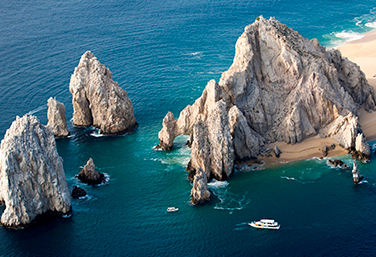
  • Northern Mexico including Baja California and Cabo San Lucas
  • Southern Mexico including Campeche, Chiapas
  • Central Mexico including Estado de Mexico, Guanajuato, San Miguel de Allende, Leon and Hidalgo, Puebla, Queretaro
  • Mexico City
  • Oaxaca including Huatulco and Puerto Escondido
  • Quintana Roo including Playa del Carmen, Cancun, Riviera Maya, Cozumel and Tulum
  • Tabasco including Villahermosa
  • Tiaxcala
  • Yucatan including Merida and Chichen Itza
  • Riviera Nayarit

Millions of US Citizens Safely Travel to Mexico Each Year

Every year, millions of travelers from the United States cross into Mexico for business, pleasure or educational purposes. In fact, over 150,000 U.S. citizens venture into Mexico on a daily basis. The Mexican government spends a considerable amount of resources to protect tourists from both the U.S. and other countries. As a result, resorts and other tourist destinations do not have the type of drug-related crime that is seen in the border regions or along the primary trafficking routes. Plus, the State Department has found that there is no evidence that any organized criminal group in Mexico has targeted U.S. citizens based on their country of origin.

More Information is Available

Journey Mexico encourages everyone to review the latest Mexico Security Update released by the U.S. Embassy to learn more. This information will ensure that you’re fully aware of any recent security events that could impact your safety during your stay in Mexico. The State Department’s Country Specific Information for Mexico provides even more information about safety issues in this charming country.

Don’t forget that Journey Mexico’s president, Zach Rabinor, is the top-rated in-country travel specialist. Because he literally lives and breathes Mexico, we can give you first-hand accounts and expert advice to make sure you fully enjoy your trip to this exciting country.

Is it safe to travel to Mexico?If you’d like to take a trip south of the border for a little fun in the sun this year, don’t let those news reports put you off. Mexico, like any other country including the U.S., has isolated areas that are dangerous for anyone, but most of this friendly destination is perfectly safe for tourists. In fact, Mexico saw a tremendous growth in international tourism during 2011.

The Numbers Never Lie!

If you’re still not convinced, take a look at these numbers:

  • 3.4 percent more Americans and 3.7 percent more Canadians visited Mexico in 2011 compared to 2010.
  • German tourism jumped by 8.4 percent, Argentinean by 23.6 percent and French by 5.8 percent.
  • In the first half of 2011, 10.3 million Americans visited Mexico. This accounted for 36 percent of all international travel by United States citizens during this time period.
  • Over the same six months, only 5.2 million Americans traveled to Europe, and 3.2 million visited the Caribbean.

Of course, most of these adventurous travelers had the time of their lives and never felt threatened in any way during their stay. With beautiful beaches, exotic ruins and wonderful food, it’s no wonder that more and more people are living it up in Old Mexico!

Be Smart and Be Safe

Whenever you’re traveling, it’s important to take certain precautions to protect your safety. This is true whether you spend your vacation at a nearby campground or i

n a posh resort. Here are a few tips to follow during your stay in Mexico:

  • Know Your Destination – Before you leave home, do a little research. This can alert you to any danger zones as well as help you learn the local customs. Here’s another tip: Rely on an experienced travel agent who really knows Mexico for the best advice.
  • Leave Your Valuables at Home – Pack light and leave your fancy jewelry and expensive watches at home.
  • Don’t Flash Your Cash – Only use ATMs in safe areas and put your money away immediately.
  • Check In Frequently – Leave a copy of your itinerary with someone back home and check in frequently. While you’re away, don’t share your exact plans with even the friendliest stranger.

If all else fails, consider one of the guided tours offered by Journey Mexico. With this plan, you’ll see the highlights of this beautiful country while having the added security of group travel and a leader who knows the ins and outs of this exciting area. Give us a call today to book your next trip!


Let us help you plan an exotic Mexico vacation today!
Tel: +52 (322) 225 9821
Toll Free (from the U.S.): 1-800-513-1587
Fill out our online form>
>

This article was written by Andrea Sachs and has been re-posted from The Washington Post

Shortly before Arnoldo Pedroza was scheduled to lead a tour south of Mexico City, the local guide started to worry that recent disturbances would sabotage his trip. He followed news updates anxiously, hoping that the area would cool off and officials wouldn’t ban visitors.

You’re thinking drug cartels, vendettas and gunfire? Wrong. Pedroza was worried about spraying lava, not flying bullets.

“It is an active volcano,” said Pedroza of Popocatepetl, the volatile volcano up which he led a group of American mountaineers a few weeks ago. “I was afraid that it was going to pour lava, but it stayed quiet.”

Mexico’s second-highest mountain is an apt metaphor for the country itself: Despite threatening rumblings, danger doesn’t always materialize. Sometimes it’s even all in our heads. Yet misperceptions dog Mexico, which has been seriously shaken by the ongoing turf battles between drug cartels and the frontal-assault strategy employed by President Felipe Calderon’s government.

“There’s a big gap between perception and reality,” says Margot Lee Shetterly, a Hampton, Va., native who relocated to Mexico with her husband six years ago. “It’s a real shame for people to write off a whole country without looking at the map and at the statistics.”

Without a solid understanding of the geography (761,606 square miles) and the nature of the drug wars (internecine fighting), many foreigners assume that all of Mexico is a war zone. But it isn’t.

“The episodes of violence are in very specific pockets,” says Rodolfo Lopez-Negrete, chief operating officer of the Mexico Tourism Board, “and are unrelated to tourism.”

For proof, Lopez-Negrete rolls out the statistics, derived from a combination of government and non-government sources: Of 2,500 municipalities (what we call counties), only 80, or fewer than 5 percent, have been affected by the drug war, which accounts for only 3 percent of all crime. Mexican cities are also safer than some urban centers north of the border: Mexico City, for example, has 8.3 homicides a year per 100,000 people. That’s fewer than Miami (14.1) and Chicago (16.1). On a global scale, Mexico is safer than many of its neighbors. In 2008, the United Nations Office on Drugs and Crime reported Mexico’s homicide rate as 11.6 per 100,000, significantly lower than Honduras (60.9), Jamaica (59.5) or El Salvador (51.8).

But these figures don’t negate the fact that some places in Mexico are extraordinarily dangerous — so dangerous that they should be mummified in crime tape.

“We are very much focused on Mexico,” says Hugo Rodriguez, chief for Western Hemisphere Affairs in the State Department’s Office of American Citizens Services. “Providing U.S. citizens traveling to and living in Mexico with accurate information about the security situation there is a high priority for us.” The agency’s travel warning on Mexico, last updated in April, specifies the dangers by state, delineating the possible threats to Americans, 4.7 million of whom visited from January through October.

Yet countless tourists balk at the border, unsure of where — or whether — to go.

Well, we’ll tell you. We spoke to security experts, tour operators, government officials and expats for advice on where you can comfortably kick off your sandals and places you should avoid or explore with caution.

One quick PSA: No matter the destination, always be aware of your surroundings and follow the commandments of common sense: Register with the U.S embassy, don’t walk in the dark alone, keep the bling at home, etc. Street crime, like multiple days of rain or a vengeful plate of beans, can really ruin a good vacation.

Visit with abandon (and your family)

We know what you want: to plop down on the beach, sip a margarita and feel your stresses turn to goo beneath the hot Mexican sun.

You’re not alone. About 90 percent of tourists flock to the beach resorts on both coasts, says Lopez-Negrete. Nor will you be disappointed. The majority of beach resorts, especially along the Caribbean Sea and the Gulf of Mexico, are sheltered oases.

“Quintana Roo and the Mayan Riviera are safe by Mexican standards and safe by Latin American standards,” says Pablo Weisz, regional security manager for the Americas at International SOS and Control Risks, referring to the state and nickname of the major beach destinations.

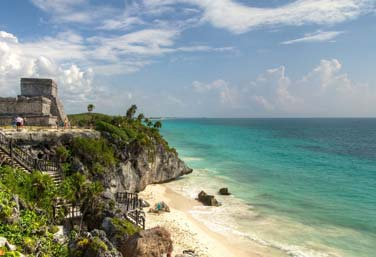
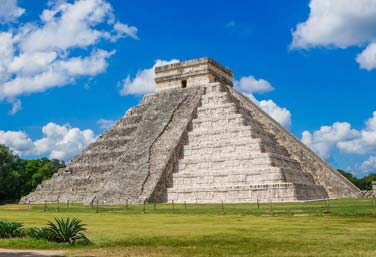
Mark these in your vacation planners as safe: Cancun, Cozumel and Playa del Carmen on the Yucatan Peninsula, and on the Pacific side, Puerto Vallarta and Cabo San Lucas. Some spots left out of the glossy brochures also make the list, such as the colonial city of Campeche, a World Heritage Site on the gulf, and Merida, a city west of Cancun on the Yucatan. In addition, most day trips from the strands, including outings to the Mayan ruins, also occupy the lowest rung on the risk ladder. These excursions include Tulum, Uxmal and Chichen Itza.

“I would take my family to these areas,” says Temo Tarrago, an Americas risk specialist with iJet, a global security risk assessment firm, offering the ultimate stamp of approval.

The open lanes of travel don’t lead only south; they also wiggle inland, to colonial towns delightful with culture, crafts and heaping plates of regional cuisine.

Leon is large, safe and modern, but is also 400-plus years old. It’s the country’s leather capital; there is outstanding shoe shopping,” Shetterly wrote by e-mail. “From Leon, you have access to Guanajuato (World Heritage Site), San Miguel [de Allende] (expat enclave, tons of art, culture, concerts, great food, etc.) and even Queretaro (a gorgeous colonial city that is closer to Mexico City).”

The experts also place smiley-face stickers next to the state of Chiapas, home to ruins, biosphere reserves, textiles and the cultural city of San Cristobal de las Casas.

Finally, Oaxaca dominated 2006 headlines because of protests gone awry, but the city known for its culinary traditions (pass the mole) has calmed down. The teachers union still strikes periodically, but the protests are typically peaceful. If you’re considering going to Oaxaca soon, your timing couldn’t be better: The strikes have already taken place this year. All’s likely to be quiet until the next school year.

Go with caution, or a burly friend

Pack your precautions for some areas that have improved substantially but still present slight risks.

Border town Tijuana has always worn a badge of dissolution, thanks to a spinning turnstile of partiers, drug suppliers and underworld denizens. But the government’s recent crackdown on the cartels has helped clean up the place.

“Tijuana is perfectly fine,” says Lopez-Negrete. “It has gone through a major renovation and transformation.”

Security experts agree on the metamorphosis but place an asterisk beside the town’s name. “It’s not as much of a concern,” says Weisz, “but that doesn’t mean that it should necessarily be considered safe.”

As safeguards, avoid low-end bars and drink or eat only items that have been prepared in front of you. Also, travel during the day and plan your modes of transportation in advance.

Mexico City is a beast of a different nature. The capital city of 20 million people isn’t pocked with drug-related skirmishes, but it does suffer from endemic street crime. Pickpocketing, shake-downs and kidnappings are common occurrences.

“It is a challenge by sheer size,” Tarrago says. “There are no drug cartels, but it does have organized crime.”

Tarrago reminds visitors to hire cabs only from authorized taxi stands and hotels, to keep valuables well hidden and to avoid unfamiliar places at night. “Know where you’re going and be aware of your surroundings,” says the Mexican native, recommending the upscale areas of Polanco and Las Lomas.

Although Guadalajara is unraveling and has experienced drug cartel-related activity, the violence hasn’t spilled over to Lake Chapala, less than 30 miles southeast. Ringed by small communities, the country’s largest freshwater lake draws retired North American expats and migratory birds to its shores.

“The security situation is kind of fluid,” says Tarrago, “but it’s not really affecting normal travelers.” That includes the American white pelican.

Don’t visit unless you’re a commando

Drug cartels don’t target tourists; the battle is cartel vs. cartel and cartel vs. government. Yet sometimes innocent folks find themselves in the wrong place at the wrong time. The best way to avoid this unfortunate situation is to not go there.

So where aren’t you going? The towns along the border with the United States and along the Rio Grande, a line more than 1,200 miles long. One of the worst is Ciudad Juarez, where the current murder toll of six or seven a day is considered an improvement, according to Walter McKay, a Canadian expat who maps the narco-murders and posts the results on his Web site, Policereform.org.

While you’re crossing off names, draw a black mark through the entire state of Chihuahua, which accounts for 14 percent of the killings nationwide.

“It has the most violence in the whole country,” says Tarrago, who also warns against Copper Canyon, a natural wonder that is larger than the Grand Canyon and is reached by high-altitude train. “It’s remote,” he said. “I wouldn’t advise anyone to go there at this time.”

On the west coast, red flags wave in the northern areas of Baja California. Despite increased security — “They are better than they were before,” says Tarrago — travelers may come across military checkpoints and potentially sticky situations.

“You have to drive through dangerous areas to get to low-risk ones,” says Weisz. “You’re putting yourself at the mercy of those risks.” The solution: Fly south to Cabo.

Southeast of Baja, Guadalajara hosted the Pan American Games in October without incident. Seems safe, right? But no. A month later, 26 bodies were discovered on a road not far from the Millennium Arches, an iconic downtown structure.

“About 80 percent of Guadalajara is safe,” said McKay, “but how would you know which part of the city to avoid?” An easy solution: Avoid it all.

Some areas are an easy call, such as destinations along the northbound drug routes and near ports, such as Veracruz (city and state), Monterrey and the resort town of Mazatlan.

But one destination now considered dangerous is tougher to fathom. In its heyday, Acapulco was the glittery playground of jetsetters and such silver screen royalty as Elizabeth Taylor and Brigitte Bardot. It later morphed into a spring break haunt. Now, its beaches are empty, its resorts devoid of guests — a casualty of heavy cartel violence. (To make matters worse, a 6.5-magnitude earthquake struck on Dec. 10.)

“Acapulco used to be a beautiful place to go to,” says McKay, “but you don’t go there anymore.”

The State Department advises Americans to “exercise extreme caution when visiting downtown Acapulco,” but thoughtfully provides an alternative: Diamante, a few miles south of downtown. That tourist area’s major selling point: “It has not been affected by the increasing violence” in Acapulco — a paradise lost, at least for now.


Is It Safe to Travel to Mexico?

No comments

According to a recent Washington Post article, tourism in Mexico does present some dangers, but not the ones you would expect! The national news makes it seem like you’re taking your life in your hands anytime you venture south of the border, but this just isn’t true!

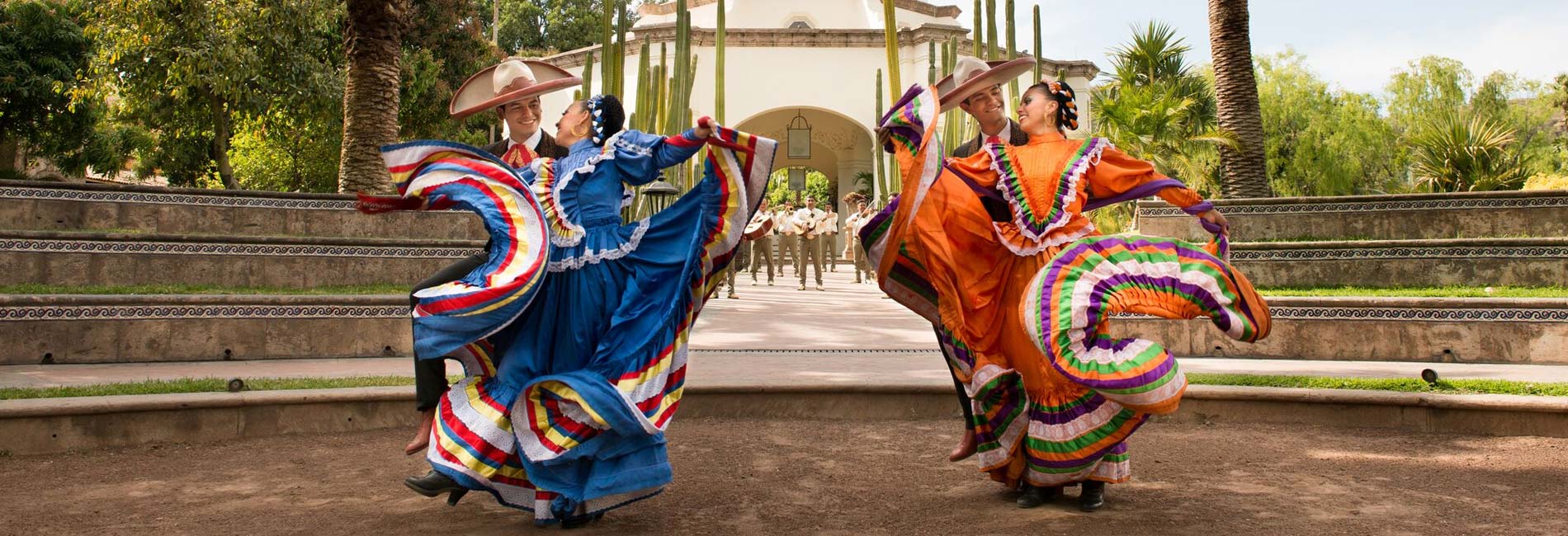
The Reality Behind the HypeTraditional Mexican Dance
The reality is that the news makes the most of isolated incidents or regions to shock the public and boost their ratings. It is true that the war between the drug cartels and the Mexican government makes some areas extremely dangerous, but this activity is isolated to very distinct pockets of the country, areas that aren’t on the itinerary of the typical tourist.

The Statistics Show a Different Picture
The numbers are very encouraging if you’re contemplating a trip to Mexico. The Mexican Tourism Board has published these statistics to ease the minds of visitors:
• The drug war only affects 80 of the 2,500 municipalities of Mexico. That’s less than five percent!
• Many Mexican cities are actually safer than their US counterparts. For example, Mexico City only has 8.3 homicides per 100,000 people each year compared to 14.1 in Miami and 16.1 in Chicago.
• Compared to Jamaica, a favorite destination for American tourists, the homicide rate is over five times lower in Mexico.

Choose Wisely and Have a Great Time!

The U.S. State Department is very clear that American Tourists should choose their Mexican destinations carefully to ensure their safety. According to the experts, including government agents, tour operators, security experts and natives, here are some of the best, and safest, places to visit:
• Beach resorts in sea-side areas like Cancun, Cozumel, Cabo San Lucas and Puerto Vallarta
• The Mayan ruins and Leon, Mexico’s leather capital
• The colonial cities of Queretaro and Campeche
• Surprisingly, the border town of Tijuana is now safe after a crackdown on the cartels.

Take the Normal PrecautionsButterflies Monarcas, beauty of Mexico
Although the drug cartels don’t target US tourists, there are certain recommendations that you should follow to stay safe in Mexico as well as just about any other foreign country:
• Be careful where you go at night.
• Don’t flash a lot of cash of fancy jewelry.
• Only use official taxis from authorized taxi stands or the hotel you’re staying at.
• Be careful with what you eat or drink.

We’ll close with what you really want to know: the areas to avoid. Many of the towns along the US/Mexican border are a little iffy if not downright dangerous. The worst is Juarez at this time. Experts would also recommend that you stay away from Chihuahua, Acapulco and many some areas in Guadalajara. As long as you book your trip and plan your itinerary with a skilled travel guide who specializes in Mexican travel,  you can say that it is safe to travel to Mexico. Enjoy your time in this lovely and exciting country!

Have Mexico safety questions? Contact us and let us know how we can help:

Tel: +52 (322) 225 9821
Toll Free (from the U.S.): 1-800-513-1587
Fill out our online form>>


The following information information comes directly from The Mexico Tourism Board

  • Mexico continues to be a destination of choice for many people around the world and is currently Ranked 10th globally in international visitor arrivals
  • Mexico remains the most visited country by Americans
  • In August 2011 Mexico saw an increased number of visitors from 145 countries around the world (year on year).
    Brazil (59.5%)         Russia (55%)         Ecuador (29.6%)        Australia (22.6%)
    Argentina (21%)     UK(19.6%)             Korea (18.9%)            Chile (15.9%)
    Peru (15.1%)           China (14.2%)       Italy (13.1%)               Japan (10.6%)
    Canada (9.2%)        Colombia (8.7%)
  • From January through July 2011 year on year, 11,440,000 international tourists traveled to Mexico, a 3.3 percent increase year on year. At this rate, Mexico expects to receive a record number of international foreign visitors in 2011, trumping our previous high of 22.4 million achieved in 2010.
  • May 2010 vs May 2011 (year on year statistics) – International air arrivals increased from the following countries: Brazil – 42.4 percent, Russia – 30.5 percent, China – 24 percent, Korea – 18.5 percent,Australia – 16.7 percent, Canada – 15.8 percent, United Kingdom – 15.8 percent
  • Year on year from January to May 2011, hotel occupancy rates increased by 2.3%.
  • April 2010 vs. April 2011 (year on year statistics)
    International Visitors Tourism Spend increased by 3.0%
    International Visitor Arrivals increased by 8.1%
  • According to SECTUR, tourism investment in Mexico for Q1 of 2011 is up 127%.
  • Approximately USD$1.5 billion will be spent on new hotel developments in Mexico.
    (Four new hotels in Queretaro, Los Cabos, Huatulco, and Mayakoba built by US chains.)
  • Over the first quarter of 2011 various European, American, Canada and Latin American carriers all noted makeable increases in the number of passengers carried into key Mexican hubs including:
    European Carriers:  British Airways (122.2%), France XL (150%), Lufthansa (22.7%), KLM (12.8%
    American Carriers: Delta (79.4%), United Airlines (51.5%)
    Latin American Carriers: Avianca (131%), Taca (77.7%), LAN (45.3%), Cup (37.2%), Cubana (27.9%)
    Canadian Carriers: Sunwing (98.7%), West Jet (43%), Air Canada (17.5%), Air Tranast (15.3%)

While there are current security and safety concerns, it is important that travelers get to know the “untold” story of Mexico.

  • There are many exciting developments happening in Mexico each and every day. Across various categories from tour operators, airlines, resorts, cruise lines and attractions, the first three months of 2011 has been proven to be a time of growth and continued prosperity.
  • There could not be a better time to visit Mexico.   Mexican tourism destinations have lower crime rates than many other prominent tourist destinations.
  • Travelocity ranked Cancun #3 and Puerto Vallarta #8 in its top ten summer family destinations for 2011.
  • Cancun was ranked the number one international destination on the Orbitz Insider Index Summer Travel report.
  • According to a June 2011, Conde Nast Traveler poll, Mexico has 19 of the top 250 spas, globally.
  • Mexico has a total of 18 AAA Five Diamond Awards, including two new lodgings and one new restaurant in January 2011. This is a further testament to Mexico’s longstanding reputation as a travel destination offering top-quality, unique and best-in-class resorts and hotels. The La Blanc Spa Resort in Cancún and Grand Velas All Suites & Spa Resort Riviera Maya join 12 other Mexican hotels to have already earned this distinction, giving Mexico a total of fourteen AAA Five Diamond Awards.
  • Riviera Maya, Mexico and two Mexican hotel properties have been recognized with a top travel destination award from Travel Weekly.   Also, several Mexico hotels were selected by Condé Nast Traveler Gold List 2011, Travel + Leisure World’s Best Hotels 2011 and Loreto, Mexico made The New York Times list of 41 Places to Go in 2011.
  • Mexico by the Numbers – in 2010 – there were 22 million tourists; 50 million-border crossings and 6 million cruise passengers that visited Mexico.
  • Mexico is the top destination for overseas American tourists, registering a market share of 14.7 percent in 2010, according to US Commerce Department figures. This share is historic and represents the highest recorded since 2005.
  • Mexico is a leader in sustainable tourism. The Mayakoba Resort on Mexico’s Riviera Maya was awarded with the prestigious Ulysses Award from the United Nations World Tourism Organization in 2011. In the ‘Innovation in Enterprises’ division, Mayakoba garnered the award for ‘Responsible Tourism Development’. Also in 2011, the Mayakoba Resort received recognition from the Rainforest Alliance for achievements in sustainable tourism.

Is Mexico safe?

Readers Speak Out About the Safety of Mexico was originally written by Carol Pucci and has been re-posted from the Seattle Times

You’re thinking of taking a vacation in Mexico, but you’re concerned about reports of violence. Who do you trust to tell you whether it’s safe to go?

Tourism promoters with a stake in filling resorts and restaurants?

The U.S. government, which hasn’t updated its travel warning info at http://travel.state.gov since April?

Americans who have been there, or who live in Mexico?

I guessed the third option, and recently asked those of you who have been to Mexico to share your experiences. Nearly 100 people responded by email, with online comments at seattletimes.com/travel or by mailing handwritten notes.

This is for sure: There’s no making light of the violence caused by the warring drug cartels and the Mexican government crackdown on them. Several of you pointed out a noticeable police presence, even in tourist areas.

Most of you, however, agreed with the owner of a small beach hotel in Troncones, near Zihuatanejo.

“Not going to Mexico because of violence in some areas is like saying you won’t go to Ephrata because there was a shooting in Tacoma. Or Seattle, or Spokane, or Walla Walla,” he said in comments posted at seattletimes.com.

It’s true. And while he has a stake in having tourists come to Mexico, he offers good advice:

“Travel smart. Don’t think you can get away with something illegal just because you are an American. Avoid shady neighborhoods just like you would here. If something doesn’t feel right, it probably isn’t.”

Well said. Here’s more:

“Fearful of visiting Mexico, not us. We visited Loreto (in June). Walked the entire town without any fears. The people were very gracious … Bottom line, we have no concerns about traveling to Mexico. On the other hand, there are two things I wouldn’t do … (go to) border towns, and (take) long driving trips to the interior.”

— Bob, Camano Island

“We own a house in Puerto Vallarta, and travel throughout Mexico on the national bus lines. In all the years we have been going, I can count on less than one hand the number of violent crimes of which I am personally aware. No one makes light of the drug violence there, but when was the last time the U.S. government issued travel warnings to various American cities including the nation’s capital?”

— Doug, Seattle

“I am 17, and this summer I traveled with my parents to Mexico City. I had been wanting to visit the Mexican capital for over a year, but nearly everyone seemed highly skeptical and concerned for the terrible things that might happen … In truth, those 10 days were some of the best days of my life. I can say nothing but positive things about Mexico City, its people, and its culture, and hope that the stories about crimes will not discourage people from exploring the truly amazing country.”

— Megan, Seattle

“I go to San Cristóbal de las Casas in Chiapas at least twice a year. I not only have walked many times around the city at night by myself, I take public transportation to communities in the mountains. Never have I felt unsafe or even uncomfortable … U.S. travelers do tend to go to resort areas and thus never get to see the real Mexico. I equate it to people from Europe who come to Orlando and Disney World and think they know the United States.”

— Judith, Sequim

“My husband and I have been going to Mexico for three months in the winter for the past 14 years. We stay in San Miguel de Allende and often travel around Mexico. We actually feel safer there than we do here in our hometown.”

— Pat, Edmonton, Alberta

“My sister and I recently bicycled through much of Mexico. There is a huge difference between the common Mexican person living off their ranch and the drug-trafficking problems that have led to so much violence. The common Mexican person is a hospitable and friendly, genuine kindhearted person.”

— Jones.lee, Seattle

“I have been going to Puerto Vallarta for 15 years and feel very safe … I bring my 10-year-old grandson every summer. Do you think I would bring him if there was any question for his safety?”

— Judy, Santa Rosa, Calif.

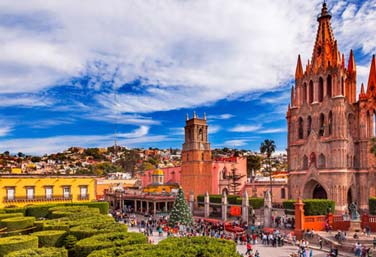
beautiful square in mexico

A delegation of tourism officials from Mexico recently returned from a tour of several US cities including LA, Seattle, Atlanta, Houston, New York, and Washington DC, where the delegates met with hundreds of travel agents from across the United States. The delegation, headed by Secretary of Tourism Gloria Guevara, are pleased to report that for most of the agents, the safety of Mexico was old news.

Instead, Travel Weekly reports, travel agents were interested in “[Mexico's] upcoming events, promotions and winter season offerings.” COO of the Mexico Tourism Board, Rodolfo Lopez Negrete, remarked, “We are starting to turn the corner. The crime topic is old news now, and agents were eager to hear our tourism updates.”

Travel agents have a lot to be excited for in terms of upcoming events in Mexico. Guadalajara and Puerto Vallarta are set to host the 2011 Pan American Games from Oct. 14th to the 30th, where more than 6,000 athletes from 42 countries (including 275 from the U.S) will face off in international competition.

Overlapping the Pan Am. Games is the Adventure Travel World Summit, which will be held in Chiapas, Mexico Oct. 17th to the 20th. 2011 marks the eighth annual Adventure Travel World Summit – an important event in the travel industry held in a different country each year. Mexico is proud to have been chosen as this year’s host and is eager, as a country, to show off the endless amount of world-class adventure experiences to be found throughout the nation.

As 2011 draws to an end, Mexico will launch a year long celebration of the Mayan culture with a focus on Dec. 21st of 2012, when the Mayan calendar is believed to end. Special events are scheduled in the southern states of Campeche, Chiapas, Tabasco, Quintana Roo and Yucatan, and travel companies like Journey Mexico are offering trips like The Archeological Mayan Journey – a ten day excursion which takes travelers to the most renowned cultural and archeological sites of the Yucatan Peninsula in the company of one of the region’s most well-respected guides.

When it comes to travel, especially internationally, safety always comes first. Mexico enthusiasts are happy to see that US travelers and travel agents are beginning to once again understand that Mexico has traveler-safety covered.

How Safe is Mexico?

No comments

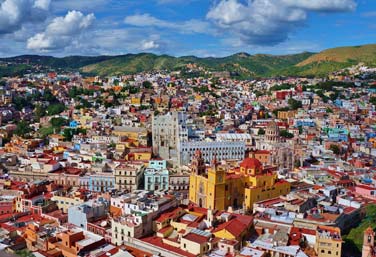
cathedral in Guanajuato, Mexico

How Safe is Mexico was written by Carol Pucci and was posted on The Seattle Times

I’ll be taking my first trip to the Yucatan in Mexico later this year, and I’m excited to delve into Merida’s music scene, explore ancient ruins and relax along the Mayan Riviera.

I’m also thrilled about the prices. I’m paying $60 for two, including breakfast, at the Hotel Julamis, a boutique inn with a garden and pool in Merida’s historical center. For a short stay in the beach town of Puerto Morleos, I found a studio apartment for $80, with free bikes thrown in.

I’ve traveled in Mexico for years, and I always look forward to going back. Mexico is cheaper than Hawaii and, to me, more interesting than Costa Rica. But with all the reports of drug-related violence and killings, people ask, “Is it safe to go Mexico?”

I put the question to Mexican Tourism Secretary Gloria Guevara, who was in Seattle recently for meetings with airline executives and travel agents.

Her answer: “Get a map.”

Misconceptions of Mexico

Surprisingly, Guevara didn’t sugarcoat the impact the violence among warring drug cartels has had on how people feel about travel to Mexico. How could she when I brought along a news clipping about a man’s torso and arm found on a street near a beachfront hotel in Acapulco? Mexicans are as upset about what’s happening in their country as anyone.

But Guevara points out that Mexico is a big country, with 2,500 municipalities.

“All of the problems you hear about have occurred in just 80 of these places, less than 5 percent,” nearly all outside the places most travelers go.

“Asking if Mexico is safe,” she says, ” is a little like asking if something happens in Atlanta, is it safe to go to Seattle.”

Fair enough. So what is the biggest misconception people here have?

“When they think of Mexico, they don’t think about specific places,” Guevara says. “They just say ‘Mexico.’ ”

It’s true that drug-related violence has left thousands of Mexicans dead in the border towns of Ciudad Juárez and Nuevo Laredo. The violence lately has begun to spread, and the country remains under a U.S. State Department travel warning (see www.travel.state.gov).

It’s also true that most American tourists go to a handful of destinations such as Los Cabos, Puerto Vallarta and the Mayan Riviera, all areas as safe as they look.

Tourism is hugely important, generating 22 million international visitors annually, 2.5 million jobs in 2010, and $11.8 billion in revenue, according to Mexican government figures. It’s Guevara’s job to promote travel. But I get her point.

I’ve never felt unsafe in Mexico. Not taking the subway in Mexico City. Not riding a long-distance bus to Mazatlan in the state of Sinaloa, home to one of the most powerful drug cartels. Not walking the streets of Guadalajara, Sayulita, Oaxaca or Guanajuato.

Most people who go to Mexico feel this way, Guevara said. Ninety-nine percent of travelers who responded to a recent government tourism survey said they had a good experience and would go back again, she said.

“The fact of the matter is that most of central and southern Mexico sees less violence than many U.S. cities,” writes Lonely Planet guidebook author Robert Reid.

The U.S. travel warning advises which areas to avoid. None include Reid’s top destinations — Mexico City, Merida, Todos Santos, San Miguel de Allende, Huatulco, Playa del Carmen, Guanajuato and Puebla. I’d add Oaxaca for food and art and Guadalajara for shopping.

Guevara says that the best way to judge what it’s like in Mexico is to ask someone who’s been recently.


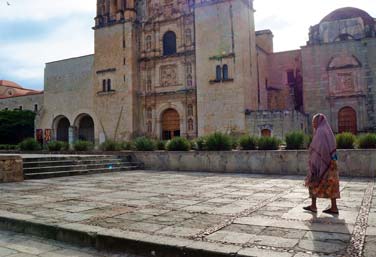
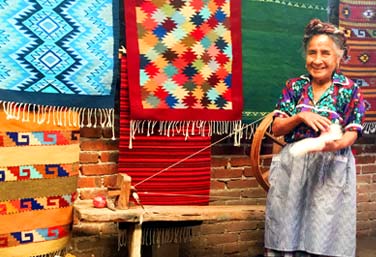
women shopping in Oaxaca, Mexico

Mexico Safer Than Headlines Indicate was written by Christine Delsol and has been republished from SF Gate

Quick – which national capital has the higher murder rate: Mexico City or Washington, D.C.?

If you answered Mexico City, you’d be in good company – after all, Mexico is a war zone, isn’t it? But you would be wrong, on both counts.

Based on FBI crime statistics for 2010 and Mexican government data released early this year, Mexico City’s drug-related-homicide rate per 100,000 population was one-tenth of Washington’s overall homicide rate – 2.2 deaths per 100,000 population compared with 22. (Drug violence accounts for most murders in Mexico, which historically does not have the gun culture that reigns in the United States.)

And while parts of Mexico can be legitimately likened to a war zone, drug violence afflicts 80 of the country’s 2,400 municipalities (equivalent to counties). Their locations have been well publicized: along the U.S. border in northern Baja California, Sonora, Chihuahua, Nuevo Leon and Tamaulipas states, and south to Sinaloa, Michoacan and parts of San Luis Potosí, Nayarit, Jalisco, Guerrero and Morelos states.

The flip side is that more than 95 percent of Mexico’s municipalities are at least as safe as the average traveler’s hometown. Yucatan state, for example, had 0.1 of a murder for every 100,000 people in 2010 – no U.S. tourist destination comes close to that. Most cities in central Mexico, outside of the scattered drug hot spots, have lower murder rates than Orlando.

It would seem fairly clear – fly, don’t drive, across the border into the safe regions. Yet whenever people say they are going to Mexico, the invariable response is “Aren’t you afraid?”

Media sensationalism accounts for much of the wariness. “Gangland violence in western Mexico” “Journalists under attack in Mexico” and “Mexico mass grave toll climbs” sound as if the entire country were a killing field. The story might name the state, but rarely the town and almost never the neighborhood. And some reporters apparently are confused by the word “municipality” – some of the killings reported as being in Mazatlan, for example, actually happened in a town miles away from the city – akin to attributing East Palo Alto’s slayings to San Francisco.

But the biggest factor may be that travelers looking for a carefree vacation simply find it easier to write the entire country off than to learn what areas to avoid.

The Mexico Tourism Board is working to change that. Efforts so far have concentrated on getting accurate information to travel agents, who funnel the lion’s share of tourism to Mexico’s popular destinations. Independent travelers’ primary source of information is the State Department travel alerts (travel.state.gov), which are finally getting better at pinpointing the trouble spots.

“We are trying to work with U.S. authorities in making these travel alerts specific and not general,” said Rodolfo Lopez Negrete, the tourism board’s chief operating officer. “Unfortunately, they have projected a somewhat distorted image.”

In the meantime, we have done some of the work for you. The chart above recommends destinations for various comfort levels and travel styles. If you’re totally spooked, there are places that pose no more risk than Disneyland. If you’re open-minded but don’t want to take unnecessary risks, we have places safer than Miami, New Orleans or Washington, D.C. For fearless travelers, these sometimes dicey destinations are worth the extra caution.

Your most important tactic for traveling safe, in Mexico or anywhere else, begins before you even decide where to go. Get familiar with Mexico’s geography; it’s a big country, and your destination might be hundreds or even a thousand miles from violence-prone areas. Keep up on Mexico coverage in major dailies, then do some focused research. Some sources:

– The current State Department travel warning (travel.state.gov) and security updates make a good start.

– The travel agents trade publication Travel Weekly has created a map that puts the latest travel warning in easily digestible graphic form (travelweekly.com/uploadedFiles/MEXICOMAP4.pdf).

– The United Kingdom Foreign Office Travel Advisory for Mexico ( www.fco.gov.uk; “Travel advice by country”) provides another perspective.

– Stratfor, a global intelligence company that advises government agencies and international corporations on security issues, is a reliable, up-to-the-minute source. Membership is expensive, but the website ( www.stratfor.com) makes some reports available for free.

Assuming you’re not headed for northern border areas, normal safety precautions that apply anywhere in the world will suffice. These are particularly important in Mexico:

– Don’t pack anything you couldn’t bear to part with; leave the bling at home.

– Carry only the money you need for the day in a money belt (not a fanny pack), and leave your passport in your hotel unless you know you will need it.

– Get local advice about areas to avoid.

– Don’t get drunk and stumble around dark, unfamiliar streets. Drunk or sober, don’t walk beaches late at night.

– Stick with taxis dispatched from your hotel or a sitio (taxi stand); if you go out for dinner, ask the restaurant to call a taxi for you.

– Drive during the day; if nighttime driving is unavoidable, use the toll roads.

– Leave a travel itinerary and a copy of your passport with someone at home. If you’ll be traveling in higher-risk areas, notify the nearest U.S. Consulate.

A final note: Don’t get rattled if you see armed soldiers patrolling the beach or manning highway checkpoints. They are young men doing a difficult job. On the road they’ll usually just ask you where you’re coming from and where you’re going; very rarely they will ask to inspect your trunk or your bags. I’ve never encountered one who wasn’t cordial and glad for a smile or a brief conversation.


Travel Experts Talk Safety in Mexico

Peter Greenberg, a highly regarded authority in the international travel industry, posted an article titled Is it Safe to Travel to Mexico Now? on his blog a few weeks ago in which he and Robert Reid, U.S. travel editor for Lonely Planet, discussed the current state of Mexico in regards to safety and tourism.

Both Greenberg and Reid travel to Mexico frequently and their conversation offers some great insight into the matter (you should definitely read the entire article), but I just want to point out some of the stand-out quotes I came across.

  • Robert Reid: “You need to consider that Mexico is about the size of Western Europe. There’s an area that’s bigger than Britain and Ireland that is not on the travel warnings.”
  • Robert Reid: “The Washington Post had an article last year that the homicide rate in our nation’s capital is four times greater than Mexico City.”
  • Peter Greenberg: “Look at Cozumel. It is probably the most popular cruise ship port in the world. And yet anytime somebody hiccups the cruise ships say we’re pulling out of Mazatlan or we’re pulling out of Cozumel. Guess what happens a week later? They’re back. It’s so fickle and capricious. It’s not based on real facts. It’s based on fear.”
  • Robert Reid: “During the swine flu crisis a couple of years ago, some cruise ships stopped going to places like Puerto Vallarta, where there were no reported cases of the swine flu. Instead, the ships went to places like San Francisco where there were reported cases of swine flu. It is worth listening closely to reports.”
  • Peter Greenberg: “I’ll call a spade a spade here, Mexico has been seen in an almost racist way by Americans for so many years. They imagine dusty border towns, guys wearing sombreros and doing shoot ‘em ups. They see it how it was portrayed in the movies. If you couple that perception with the drug cartels or with the swine flu or with select crime reports, suddenly everybody starts running for the border.”
  • Robert Reid: “I’m in this business because of Mexico. I think it is an asset to be close to such a diverse, wonderful and friendly country. I’m sad that more people don’t take advantage of it.”
  • Peter Greenberg: “Isn’t it ironic that we’re talking about crime and murder in Mexico and I’ve spent so much of the year enjoying the ocean, the beaches and the beautiful sunsets in Mexico?”