
Category Archives: Culture

Where to Vacation in Mexico in December

As December approaches, the vibrant traditions of Mexico come to life in new ways. In a country with strong historical ties, cultural celebrations dating back to colonial times and beyond take the forefront in communities all over Mexico. Everywhere you go, the holiday season is marked by robust flavors, colors and aromas. Seasonal food and goods become available, offering fresh experiences even to veteran travelers. The spirit of Mexico in December is enchanting and an opportunity to enjoy unforgettable festivities.

Mexican Celebrations in December

For nine days stretching from December 16th to the 24th, the Mexican Posadas take place. Singing processions travel the streets with candles, reenacting St. Joseph and the Virgin Mary’s trek through Bethlehem in search of shelter. Residents in nearby homes play the roles of innkeepers who refused to help the travelers until Joseph and Mary are received at a designated area. In many places, the procession is beautifully detailed with angels, pilgrims, shepherds and children carrying poinsettias. The entire scene is performed in song and at the final location the participants share prayers of thanks before enjoying a marvelous feast.

Throughout the month, visitors are sure to see Nativity scenes decorating homes, churches and several public venues. Scenes of Jesus’ birth in a manger are carefully laid out with ceramic figures often representing the Biblical characters. Along the streets of Mexico, these scenes range from simple setups to elaborate designs with breathtaking detail. As December 24th arrives, families gather for a nourishing meal on Christmas Eve, honoring the Nativity scene with prayer and gratitude.

Holiday Markets in Mexico

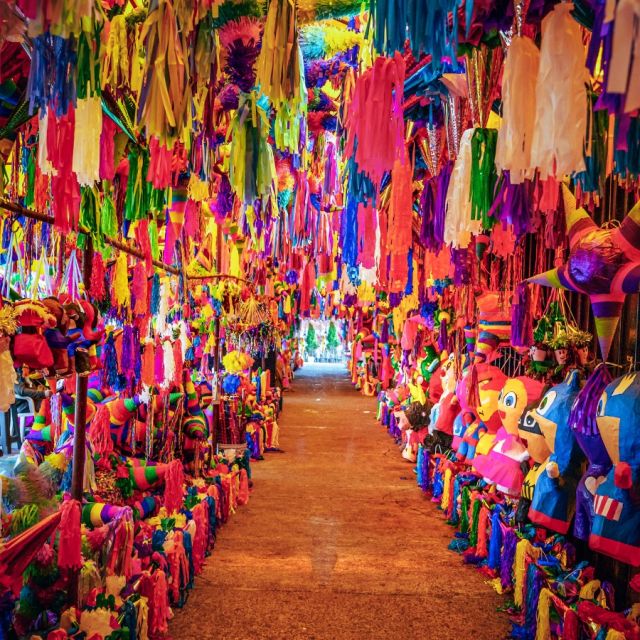
Public areas quickly transform into scenes of holiday cheer with attractive Christmas decorations. As the holiday is widely celebrated in Mexico, special markets are arranged where locals can purchase Christmas decorations, supplies for the Nativity scene and other seasonal items. For the children, holiday candy is a common attraction, and of course, the bright and inviting plazas are great place for amusement and mingling.

Where to Vacation in Mexico in December

If you want to experience the holiday season in Mexico, visit the colonial cities for an up-close look at the rich cultural traditions.

Mexico City

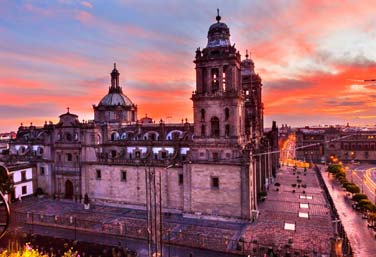
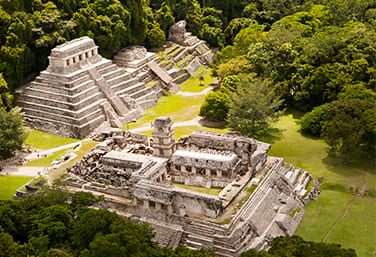
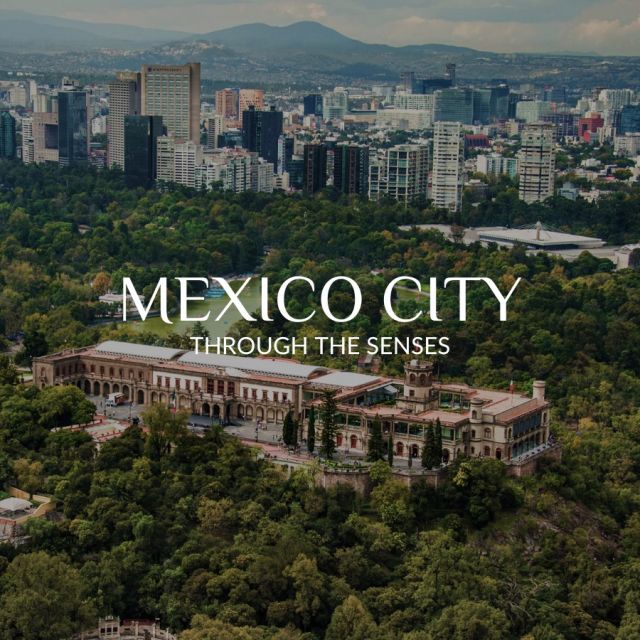
The country’s dynamic capital is one of the most exciting places to visit worldwide. From bustling bazaars full of exquisite artisan jewelry, glassware, silver and weavings to the astonishing archaeological sites of ancient civilizations, Mexico City is pulsing with invigorating culture, living history and thriving arts. Visitors are charmed by the Zocalo plaza and quaint colonial layout of the city, which features stunning architectural landmarks that house museums, cathedrals, galleries and government offices. The homes of remarkable figures like Frida Kahlo and Diego Rivera still stand in remembrance of their work while just beyond the city the ruins of Teotihuacan tell the story of Mexico’s pre-Hispanic ancestors, the Aztecs. To find out more visit our Mexico City tour, one of several private journeys to the city.

Other Destinations

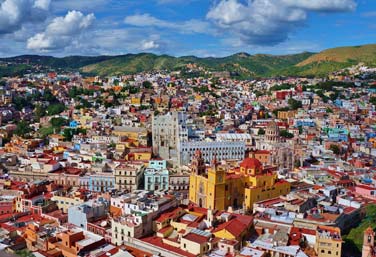
Guanajuato, located in central Mexico, is another destination for a memorable vacation. In this colonial heartland, the city is still home to incredible Baroque architecture and underground pathways such as Boca Mina, a famous mine once coveted for its silver. For the traveler who enjoys diverse entertainment, the city is bursting with thrilling nightlife, chic restaurants, live music and boutique hotels with luxury amenities.

Just a few towns away, Patzcuaro lies amidst charming artisan communities where visitors can truly dive into the local cultural, from tasting traditional cuisine to checking out the artisan and copper workshops. Or if you prefer to see a UN World Heritage site, travel to nearby Morelia for authentic souvenirs from Michoacan markets and a chance to see the city’s treasured historic center. Wherever you decide to visit, the holiday season is sure to bring impressive festivities that will be remembered for years to come.

Mexico Culture Travel: Dia de los Muertos en San Miguel de Allende

Mexican culture exudes spirit and vitality that truly comes to life during the El Dia de los Muertos celebration, a national event honoring the lives of lost relatives, friends and public figures. This important holiday, known as Day of the Dead in English, takes place annually on November 1st and 2nd.

Many people believe Halloween and Dia de los Muertos are versions of the same holiday. Both celebrations coincide with All Saints’ Day and All Souls’ Day, occurring when the veil between the living and the dead is believed to be weakened, enabling communication with spirits. Yet, the spirits of Halloween are harmful, magical and mischievous, so children wear costumes to scare them away. Day of the Dead is a joyful holiday that handles death from a lighthearted and sentimental perspective, allowing individuals to show respect and love for ancestors and friends who have passed away.

Day of the Dead Festivities in San Miguel de Allende

Dia de los Muertos originated from a centuries old Aztec festival in honor of Mictecacihuatl, a goddess known as the Lady of the Dead. Today, Mexican families create colorful altars in their homes. The living also come together to decorate the graves of the dead with their favorite foods, tequila, flowers and sweets while encouraging the presence of these benevolent spirits and sharing humorous stories in remembrance of who they once were. Some of the most entertaining moments involve short poems known as calaveritas, or little skulls, in which funny, satirical verses are written and dedicated to the deceased.

San Miguel de Allende, a municipality in eastern Guanajuato, provides the perfect opportunity to take part in these extraordinary festivities. Tourist traffic is light at this time of year, the weather is mild and visitors have the chance to find souvenirs at an authentic Dia de los Muertos market. As November approaches, families stream in and out of local cemeteries to scrub tombstones, clear away weeds and lay out flowers and candles. In the weeks before the celebration, a special market is set up near the Plaza Civica where everyone shops for decorations amongst stalls of sugar skulls, miniature coffins, skeleton puppets and the familiar skeleton masks and figures, known as calacas. The Calaca Festival takes place November 1-4 this year.

A candlelight vigil lights up the cemetery as cheerful crowds gather to celebrate the dead, listen to mariachi bands, share bottles of tequila and enjoy a picnic with friends and family. All around, children play amidst displays of skeletons in comical scenarios. Calacas are a significant part of Mexican folk art intended to mock death and overcome the pain of loss, depicting skeletons humorously as noble ladies, drunken merrymakers, dancers, brides and many other roles of everyday life.

Exploring San Miguel de Allende

San Miguel de Allende has a wealth of cultural attractions you can experience before and after Dia de los Muertos. The stunning city center features beautifully preserved architecture in neoclassical and baroque styles that house cathedrals, galleries and museums. Along vibrant, colorful streets, the local artisan shops offer charming turquoise jewelry and silver crafts. Live events are frequently held in the local parks and travelers can choose from a tempting variety of authentic Mexican and international cuisine from the city’s inviting restaurants. With a range of impressive vacation rentals in the area, visitors will have no trouble finding cozy villas for relaxation when the Day of the Dead celebration is over.

The Story of El Grito and Mexico’s Independence Day

#MexicoToday: The time of Mexico’s most energetic celebration is once again upon us as Saturday, September 16th marks Mexico’s 202nd Independence Day. Millions will kick off the celebration with “El Grito,” the traditional cry of: “Viva México!” But how many understand the actual history of this ritual? Here is a brief, yet interesting, description of the historical events that sparked Mexico’s war of Independence.

Just before midnight on September 15th, 1810, Miguel Hidalgo, a priest from the small town of Dolores near Guanajuato in Mexico’s Colonial Heartland made an impulsive decision that revolutionized Mexican history and resulted in the war that led to Mexico’s independence. Ordering the church bells to be rung, Hidalgo cried out to the native Mexicans and the lower classes of mixed blood urging them to stand up and take back the lands stolen from their forefathers and ending with the now-famous Grito: “Long live Mexico!”

el grito father hidalgo

Father Hidalgo sparking a revolution

What is not always understood about the start of Mexico’s war of independence is that the upraising enfolded much differently than was planned. After three centuries of Spanish rule in Mexico, the ruling class had bred itself into a hierarchy of two levels: the Gachupines (Spanish born aristocrats) at the top and the Criollos (Mexican-born Spaniards) just below.

Before the night of Hidalgo’s cry, a movement of political revolution had already begun when Napoleon conquered Spain. The Criollos, of whom Hidalgo was a member, saw this instability as an opportunity to overthrow the Gachupines and claim ruling stature. They planned to begin their push for power in December of 1810; however, the Criollos were betrayed, and Hidalgo was forced to make a quick decision – flee to safety and begin forming a new plot or turn to his parish, starving for freedom from Spain altogether, and seize the opportunity to spark a true revolution for independence. Choosing to stay and fight, Hidalgo sped to his church, ordered the bells to rung, and delivered the famous cry that will be heard round Mexico just before midnight this Thursday: “Long live México!” Continue reading

Festival Internacional Cervantino 2012: The Top International Cultural Event in Mexico is Approaching!

Travelers who love soaking in high culture in warm climates will be rewarded by traveling to Guanajuato, Mexico, for the annual Festival Internacional Cervantino, the top international cultural event in Mexico. This year’s Festival, which runs from October 3 to 21, promises to deliver art, theater, music and dance delights to travelers with discriminating tastes. More than 155 performances will be held during the three-week festival.

The Festival Internacional Cervantino was first produced in 1972. Organizer Enrique Rueles had been hosting an annual event called Entremeses de Miguel de Cervantes Saaevedra, which celebrated short plays by the author of “Don Quixote.” Recognizing the promise of expanding the festival to include other types of performances, Rueles founded the Coloquio Cervantino in 1972.

In that same year, Mexican President Luis Echeverría Alvarez declared his support for an international festival of culture. Though he had originally intended the festival to be held in Cancun, President Alvarez quickly recognized the benefits of building on the annual Entremeses tradition in Guanajuato. This charming, colonial-era city is home to the more than 49 theaters and venues that hold Festival Internacional Cervantino events every year.

Throughout the ’70s, ’80s and ’90s, performers from around the world were invited to show off their dance, theater, music and arts talents. Visitors flocked to the colonial city to watch a wide variety of shows and to see internationally acclaimed performers in action. In the 2000s, the Festival’s directors decided to establish the tradition of inviting performers from one area of Mexico or world region to attend as special guests. The 2012 Festival honors the countries of Austria, Poland and Switzerland as well as the Mexican state of Sinaloa.

The special guest program has allowed the Festival to create a thematic focus while still hosting acts from around the world. In 2011, artists from 29 different countries descended on Guanajuato for the Festival. Festival organizers have worked hard to ensure that there are serious performance of current plays and artistic works as well as family friendly events.

Travelers who enjoy taking in cultural and artistic events won’t be disappointed by a visit to the Festival Internacional Cervantino. The diverse group of artists invited to the event are a boon for a wide variety of art lovers. The colonial setting of Guanajuato adds an extra touch of mystique to this internationally praised annual festival.

(Note: Flying to Guanajuato might require a stop for most people traveling by air, but there are some departure cities that have direct flights to Guanajuato. In fact, Volaris just announced a direct flight to Guanajuato from Chicago, which we blogged about a few days ago.)

Read more about our tours to Guanajuato and other colonial cities.

Why Cinco de Mayo is Significant for the US

The battle of Puebla on cinco de mayo

The Battle of Puebla on Cinco de Mayo

In 2010, I wrote a post about Cinco de Mayo which caused some controversy in our office as the post, admittedly, downplays the significance of the battle (and Mexican victory) that took place in Puebla on May 5th, 1862.

At the time I was writing that post, most of the research I did showed that the holiday of Cinco de Mayo was largely accepted as an excuse for Americans to sell more beer. This year, however, I read some interesting articles that have led me to conclude that Mexico’s victory at the Battle of Puebla (in which a 4000 troop Mexican army was able to fend off a French army of 8000 men of, arguably, the most well trained army in the world at the time) was much more significant that most people realize, especially for Americans.

Fist, let me acknowledge that, yes, the Mexican forces in Puebla fought valiantly and skillful to mow down a much larger opponent. The victory was inspiring and helped unite the Mexican people in their cause. But, yes, it is also true that the French ultimately regrouped, overtook Puebla, marched on to overtake Mexico City, and installed Maximilian I as emperor who reigned over Mexico for three years. What is not often mentioned, however, is that it took almost two years for the French to regroup and conquer. The events of those 23 months, or more importantly the events that did not happen during those 23 months, are what make the Mexican victory on Cinco de Mayo so important.

To fully understand the significance of the victory, we must broaden our scope a bit and understand that at the time of The Battle of Puebla, the United States was tearing itself apart in the American Civil War.  It is widely believed that the French were very interested in breaking up the American Union and intended to use the territory of central/northern Mexico, pending a victory in Puebla, to aid the Southern Confederacy with supplies and ammunition in their fight for independence from the Northern Union.

The Battle of Gettysburg, often considered the turning point of The American Civil War, was fought July 1-3, 1863, just 14 months after the Mexicans of Puebla beat back the French. Had the French won at Puebla, they would have been able to supply the Southern Confederacy with supplies and possibly men in the months leading up to the Battle of Gettysburg, possibly providing the Confederacy with enough support to have forced a much different outcome in both Gettysburg and the American Civil War in general.

The Last Moments of Maximilian I

Instead, the French were forced to focus all of their energy into regrouping and fighting their way to Mexico City while the battle weary Confederacy was defeated in Gettysburg and eventually defeated outright. While France was eventually able to insert Maximilian I as emperor, they missed their window to aid in the weakening of the American Union as the Northern Union defeated the South, paving the way for The United States of America to become a top world power.

When the American Civil War ended, the United States began supplying the Mexicans with weapons and ammunition, aiding them in their fight to rid Mexico of the new foreign regime. Two years later, Mexicans overthrew and, despite pleas from royalty across Europe, executed Maximilian I, liberating themselves from foreign rule and sending a clear message that Mexico would never again tolerate any government imposed by foreign powers. No European power has ever invaded Mexico nor The United States since.

So when Cinco de Mayo roles around again next year, celebrate twice as hard knowing that the events of that day 150 years ago in Puebla, Mexico played a significant role in the shaping of America. Viva México!

Easter in Mexico – Semana Santa and Pascua

photo via mexperience.com

Easter in Mexico is a two-week holiday consisting of Semana Santa (The Holy Week, beginning on Palm Sunday and ending Easter Saturday) and Pascua (Starting with Easter Sunday and ending the following Saturday). Semana Santa is undoubtedly the most important holiday in Mexican culture. Schools and often businesses in Mexico close during these two weeks and many Mexican families go on holiday during Semana Santa and Pascua.

Across the country, Mexicans celebrate the last days of Christ during Holy Week with elaborate and much anticipated processions, ceremonies, and rituals. Most of the larger Semana Santa celebrations include a dramatic reenactment of the capture, the trial, and the crucifixion of Jesus. To be a part of these productions is a great honor and the actors are known for delivering inspiring and moving performances. Different regions of Mexico are known for practicing unique traditions during Semana Santa such as acts of physical torture, public displays of political/social ridicule, and displays of resolutions and commitment.

Jesus during Semanta Santa

photo via mexperience.com

In some of the more devout regions of Mexico like Taxco, the reenactments include penitentes – men and women who show their penitence and prove their faith by inflicting physical pain on their bodies by whipping themselves or carrying large religious objects on their backs. This is an ancient tradition that dates back to the middle ages and was introduced to Mexico by the Spanish more than 500 years ago. During the reenactments, the actor playing Jesus usually wears a real crown of thorns and carries a massive cross weighing hundreds of pounds over great distances to the scene of crucifixion. Actors prepare both physically and mentally for months before hand with the support of their families and communities.

"Burning of the Judases"

In towns like San Miguel de Allende, another Spanish-influenced tradition is celebrated during the Holy Week called “The Burning (or Firing) of the Judases.” In Spain, carpenters would make wooden dolls representing Judas, which would be hung and burned in town squares to punish Judas for betraying Christ. During the Holy Inquisition, when the Spanish were burning people at the stake for heresy, Mexicans protested by making dolls and dressing them like Spanish inquisitors and burning them instead of Judas. This evolved into the current tradition where giant Judases made from paper mache are dressed and painted to resemble political and public figures not currently in favor of the public. The dolls are then hung and blown up with fireworks, scattering limbs in the street for children to collect as souvenirs. Famous Mexican artists like Diego Rivera and Frida Kahlo were strong proponents of the value of art in political commentary and quickly adopted the tradition of creating Judases.

Other traditions focus on different ways to show your dedication and appreciation of Jesus’s sacrifice. In Iztapalapa, people called Nazarenes parade the streets before the procession of Christ, marching in promise to fulfill a manda, or religious promise, as payment for a granted favor from God. In many regions of Mexico, people show their devotion by visiting twelve different churches in a single day – one church for each apostle. In more remote regions like the Copper Canyon, local cultures mix christian celebration with ancient native rituals, paying homage to both their Spanish and Indian heritage.

Once the sacrifice is made and Jesus rises from the dead, Pascua begins and the second week of the Easter celebration carries on with a brighter tone, reflecting the resurrection, the start of Spring, and the promise of new beginnings. Many Mexican families travel to beach destinations like Acapulco and Puerto Vallarta during these Easter celebrations to enjoy the coast as they pay tribute.

Traveling to Mexico for Semana Santa and Pascua is an unforgettable experience, but can be tricky to plan logistically – especially last minute as the traditional areas of celebration and most beach destinations are usually booked in advance. Contact Journey Mexico for assistance with planning travel to Mexico for Semana Santa.

Mexico Culture Travel Tours – Feria de San Marcos in Aguascalientes, Mexico

Aguascalientes Feria de San MarcosThere’s no better way to immerse yourself in Mexican culture than attending one of the longest-running festivals in this friendly country! The San Marcos National Fair 2012 is scheduled to run from April 20th to May 13th in charming Aguascalientes. During this time, you can get to know the locals, sample the best Mexican food you’ve ever tasted, buy some local arts and crafts to take back home, listen to great music by a wide variety of artists and so much more!

The San Marcos National Fair is the best time to visit Aguascalientes. Held in honor of St. Mark, the patron saint of this charming city, this festival has delighted locals and tourists since 1828. Around the globe, La Feria de San Marcos, better known as the “Fair of Mexico,” has a well-earned reputation as the highlight of any spring visit to this sunny nation. While you’re at the fair, don’t miss the following feature attractions:

  • Traditional Charreadas and Skirmishes
  • Livestock Expo and Thrill rides
  • Typical Fair Food and Traditional Mexican Cuisine
  • Local Arts and Crafts
  • The Colonial-Designed Buildings at The Casino
  • A Variety of Shows Including Plays, Musicals and Concerts

During your stay, don’t miss some of the other attractions that Aguascalientes is famous for. The Garden of San Marcos is a peaceful retreat that offers a welcome break from the more bustling areas of the city while La Isla de San Marcos is the best place to view the impromptu art exhibits that line the sidewalks of this cultural complex.

Quinta Real Aguascalientes

Quinta Real, Aguascalientes

To meet the needs of the thousands of tourists that descend on the San Marcos National Fair, Aguascalientes has an international airport with daily flights and several luxury hotels. If you need help booking your flights, picking the perfect place to stay or scheduling an exciting adventure, give us a call! At Journey Mexico, we have the inside scoop on all the best things to do and see in Aguascalientes and in the rest of Mexico! Take advantage of one of our Mexico Culture Travel Tours or allow one of our travel agents to create a customized experience just for you.

Carnival in Mexico

Carnival in VeracruzThis week marks the beginning of Carnival (also known as Mardi Gras in the US), which is celebrated in many regions of the world and was brought to Mexico by the Spaniards. Because celebrations begin the week before Ash Wednesday (the start of Lent), the date of Carnival changes year to year. This year’s festivities will begin this weekend for most of Mexico; however, the nation’s two largest celebrations in Veracruz and Mazatlan have already begun.

The history of Carnival relates to the Biblical 40 days of Lent, which refers to the 40 days Jesus Christ spent in the desert. During lent, participants give up eating rich foods such as meat, dairy, fats and sugar to pay homage to the suffering and self control of Christ. Because all rich foods had to be rid of by Ash Wednesday, people began converging for large feasts leading up to the start of Lent in order to dispose of the food so it wouldn’t just go to waste. These feasts are the origin of the large, colorful parties we celebrate today.

Though Mexico’s most famous carnival festivities are held in Veracruz and Mazatlan (and are considered by many to rival those of Rio de Janeiro and New Orleans), other cities throughout Mexico like Merida, Cozumel, Campeche, Ensendada, La Paz, and Puerto Vallarta throw large Carnvial celebrations that are not be missed.

Christmas in Mexico: Rich in Culture and Tradition

If you’re planning to spend the Holidays in sunny Mexico this season, you’ll trade any chance of snow for a healthy dose of “the real meaning of Christmas.” This part of the world has barely been touched by the commercialism that defines Christmas in the United States. Instead, Christmas in Mexico begins by observing the religious side of the holiday on December 16th and doesn’t finish until February 2nd. Here are some of the most famous Mexican Christmas traditions you may experience if you visit during this time of the year:

Mexican traditions

Mexican traditions

Las Posadas
Starting on December 16th and running for nine days, Joseph and Mary’s quest for lodging in Bethlehem is reenacted in towns and villages throughout Mexico. Acted out by local children, these pilgrims try door after door until they’re finally invited in for the night. Every evening, a different host is chosen, and it’s their task to throw a massive party complete with a piñata for the children and something a little more spirited for the adults.

Noche Buena or Christmas Eve
Christmas Eve, rather than Christmas Day, is the highpoint of the season in Mexico. After attending Misa de Gallo, or Rooster’s Mass, in the middle of the night, families return home for a festive dinner and traditional drinks. At the end of the evening, gifts are opened, piñatas are broken and sparklers light up the night. Christmas Day is considered a time to rest, recover and enjoy the leftovers! Although Santa Claus has been known to slip over the border in recent years, children generally address their wish lists to the baby Jesus for Christmas Eve and the three Wise Men for Three Kings Day.

Los Santos Inocentes or Day of the Holy Innocents
Held on December 28th, Los Santos Inocentes commemorates the day that King Herod ordered his soldiers to kill all of the male infants to eliminate the baby Jesus. Similar to April Fool’s Day, Los Santos Inocentes is a day for practical jokes and silly pranks.


The Christmas celebrations continue in full force until January 6tth, also known as Epiphany or Three Kings Day. This was the day that the three Wise Men arrived in Bethlehem to present gifts to the baby Jesus. Presents are given to the children, and everyone shares a sweet bread known as Rosca de Reyes. Hidden inside is a small figure of a baby. Whoever gets the piece with the baby must give another party on Candlemas, the official end of the Mexican holiday season on February 2nd.

Christmas in Mexico is always filled with rich tradition and warm hospitality!

Contact Journey Mexico today:
Tel: +52 (322) 225 9821
Toll Free (from the U.S.): 1-800-513-1587
Fill out our online form>>

This post is part of the Mexico Today Posadas blog hop. If you have any articles about posadas and holiday celebrations in Mexico, please link it here:

Traveling to Mexico in 2012: The Mayan Calendar Challenge!

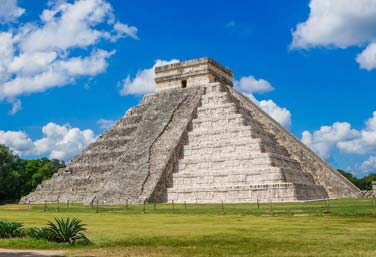
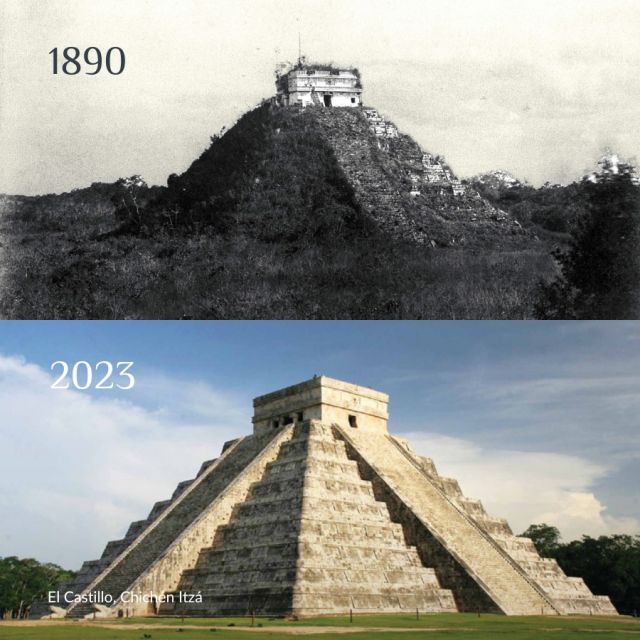
Chichen Itza Mayan Calendar 2012Don’t be taken in by hyped-up claims that the world is ending in 2012 or that this is what the Mayans predicted thousands of years ago. The media and movie industry have purposely misinterpreted this historical information to attract attention, boost ratings, and scare school children. Once you understand more about this misconception, you’ll be ready to visit charming Mexico to celebrate the beginning of a whole new cycle and take the Mayan Calendar challenge!

The Real Deal on the Mayan Calendar
The Mayans, an ancient civilization that existed in southern Mexico and much of Central America from 250 to 900 A.D., used two different calendars. The first, the Calendar Round, covered a 52-year period, or 18,980 days. At that time, this period represented a single generation or the average lifespan of a typical person of that age. This was the measurement tool that this culture used on an everyday basis.

If the Mayans needed to refer to a date that was more than 52 years in the past or future, they moved to the “Long Count,” the long-term calendar. This measurement tool is based on a numerically predictable algorithm that used a beginning date of 3114 B.C. according to our modern calendar. From there, they calculated forward for 5,126 years for an ending date that just happens to be in 2012 A.D. This gave the Mayans a historical measure that reached over 3,000 years into their past and more than 1,000 years into their future.

If you think about it for a few minutes, common sense will tell you that it’s only a coincidence that the calendar is running out in 2012 A.D. The Mayans didn’t predict the end of the world; they just got tired of crunching the numbers. After all, the world existed long before the calendar started, so why shouldn’t we expect it to last long after the calendar ends? This doomsday theory has no more credibility than any of the countless end-of-the-world claims that have been proven false in the past.

Don’t Let the Doomsday Gang Ruin Your Plans
What could be better than leaving the naysayers and pessimists behind to celebrate the beginning of a whole new cycle in the very place that started all this controversy? The Mayan Long Count Calendar is scheduled to end on December 21 of next year, and Mexico is warm and sunny at that time of the year! To make this trip even more attractive, you can bet that the locals are planning quite a few festivals and fiestas to celebrate their continued existence as well as the upcoming holidays!

How can you resist the chance to snap a souvenir photo to prove you survived the “End of the World” in a beautiful Mexican paradise? Whether you’re partying on the beach or living it up in Mexico City, you’ll be able to tell everyone how you won the Mayan Calendar challenge!

Still doubtful? Well, you’re not alone. On Thursday, Mexico’s archaeology institute  acknowledged that a second reference to the date exists on a carved fragment found at a southern Mexico ruin site.  Here’s a link to the full article!