Is Travel to Mexico Safe? Judging from the Numbers, Many are Saying ‘Yes’

Is it safe to travel to Mexico?If you’d like to take a trip south of the border for a little fun in the sun this year, don’t let those news reports put you off. Mexico, like any other country including the U.S., has isolated areas that are dangerous for anyone, but most of this friendly destination is perfectly safe for tourists. In fact, Mexico saw a tremendous growth in international tourism during 2011.

The Numbers Never Lie!

If you’re still not convinced, take a look at these numbers:

  • 3.4 percent more Americans and 3.7 percent more Canadians visited Mexico in 2011 compared to 2010.
  • German tourism jumped by 8.4 percent, Argentinean by 23.6 percent and French by 5.8 percent.
  • In the first half of 2011, 10.3 million Americans visited Mexico. This accounted for 36 percent of all international travel by United States citizens during this time period.
  • Over the same six months, only 5.2 million Americans traveled to Europe, and 3.2 million visited the Caribbean.

Of course, most of these adventurous travelers had the time of their lives and never felt threatened in any way during their stay. With beautiful beaches, exotic ruins and wonderful food, it’s no wonder that more and more people are living it up in Old Mexico!

Be Smart and Be Safe

Whenever you’re traveling, it’s important to take certain precautions to protect your safety. This is true whether you spend your vacation at a nearby campground or i

n a posh resort. Here are a few tips to follow during your stay in Mexico:

  • Know Your Destination – Before you leave home, do a little research. This can alert you to any danger zones as well as help you learn the local customs. Here’s another tip: Rely on an experienced travel agent who really knows Mexico for the best advice.
  • Leave Your Valuables at Home – Pack light and leave your fancy jewelry and expensive watches at home.
  • Don’t Flash Your Cash – Only use ATMs in safe areas and put your money away immediately.
  • Check In Frequently – Leave a copy of your itinerary with someone back home and check in frequently. While you’re away, don’t share your exact plans with even the friendliest stranger.

If all else fails, consider one of the guided tours offered by Journey Mexico. With this plan, you’ll see the highlights of this beautiful country while having the added security of group travel and a leader who knows the ins and outs of this exciting area. Give us a call today to book your next trip!


Let us help you plan an exotic Mexico vacation today!
Tel: +52 (322) 225 9821
Toll Free (from the U.S.): 1-800-513-1587
Fill out our online form>
>

Condé Nast Hosts Facebook Chat with Journey Mexico to Answer Mexico Questions


Repost from Conde Nast Traveler

Thanks to Mayan prophecies and reports of violence, travelers have a lot of questions about traveling to Mexico these days. On Thursday at 2pm EST, Zachary Rabinor of Journey Mexico—one of the top-rated, thoroughly vetted travel specialists that is recommended in Wendy Perrin’s Top Travel Specialist Collection—will be live on the Conde Nast Traveler Magazine Facebook page to answer questions.


Here are a few more details about this online session:

When & Where
The Conde Nast Traveler’s Facebook chat is scheduled for today, Thursday, Jan 12, at 2 p.m. Eastern Time. Getting there is easy. Simply link to the Conde Nast Traveler’s Facebook page. In the meantime, spend a few minutes thinking about what you’d like to get out of your trip to Mexico so that you can make the most of this opportunity. You can post your questions as soon as the chat starts.

A Little About Zachary Rabinor
Zachary, your travel expert for this event, lives and breathes Mexican tourism. In fact, he spends most of his time inside the country and bases his operations out of Puerto Vallarta. If you’re looking for someone who knows the scoop on where to stay, the local culture, the best surfing spots or how to get a seat at the chef’s table in a top restaurant, Zach is the man to talk to! On January 12th, be ready to ask Zach the hard questions. You can bet he’ll have the answers!

Don’t miss this chance to ask Mexico’s top travel specialist all your most detailed questions. If you found this post a little too late, don’t worry! Just give our travel experts at Journey Mexico a call. If they can’t answer your questions, they’ll get the information for you directly from Zach! He’s definitely the brains behind Journey Mexico.

———————————————————————————————————————————————

Update Post-Chat: You can find the thread here

Two New Boutique Hotels Opening in Mexico in 2012!

Part of the allure of a vacation abroad is the promise of something a little more exotic than your area hotels. In fact, some travelers are a little disappointed by the cookie-cutter resorts that line the coastal areas of the more touristy parts of the world. Other than a slight accent and the local landscaping, the food and the accommodations feel so familiar that they might as well have stayed at home.

To satisfy this niche in the travel industry, two completely new boutique hotels are opening their doors in Mexico this coming year to offer their guests something a little different. Here’s a closer look at each one:

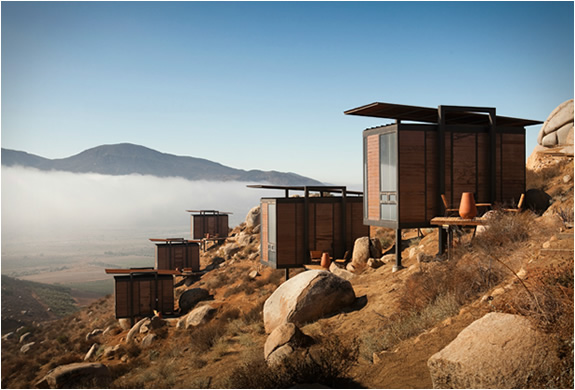
Habita’s Eco Hotel Endémico Resguardo SilvestreHabita's Eco Hotel Endémico Resguardo Silvestre

Although its urban hotels are nothing short of striking, the Habita Hotel Group has taken a different approach with their newest property. The Eco Hotel Endémico Resguardo Silvestre features 20 stark, modern units situated on a rocky hillside within a 40-acre winery in Baja California.

Each unit, or room, has its own terrace and clay chimenea to warm up a chilly evening. However, this rustic, eco-friendly retreat isn’t without its luxuries. Leave your sleek, minimalistic accommodations by the primitive pathway to tour the grounds. Along the way, you’ll encounter a luxurious pool dramatically cut into the hillside and a gourmet restaurant ran by the Culinary Arts School of Tijuana.

If you’re looking for something different on your annual getaway, you can definitely find it a little more than an hour south of the border! This trip might not be for everyone, but it’s definitely different from home.

Hotel Downtown in Mexico City

Another Grupo Habita property scheduled to open in March 2012, this new hotel will be located in front of the Casino Español in charming Isabel la Católica. In an exceptional repurposing effort, this boutique hotel is a renovated palace originally built in the 17th century. Hotel Downtown will offer 17 boutique rooms and 17 hostel rooms to meet a variety of needs and budgets. Expected to be a favorite for visitors to Mexico City, make your arrangements early to guarantee a room in this historic palace.

Whether you prefer to kick back in the standard luxury of a big-name resort or soak up the local culture in a secluded, private villa or a traditional Mexican hotel, Journey Mexico can make it happen! We can tailor your accommodations and itinerary to meet your individual needs and interests if one of our established tours doesn’t appeal to your sense of adventure. Give us a call today!

Let us help you plan an exotic Mexico vacation today!
Tel: +52 (322) 225 9821
Toll Free (from the U.S.): 1-800-513-1587
Fill out our online form>>

Matteo’s Moments: La Rosca de Reyes (King’s Ring Cake)

Rich in Culture and Tradition, Holiday Season in Mexico isn’t over yet. On January 6th, Mexico celebrates a tradition called La Rosca de Reyes, which is a celebration of Epiphany. The celebration commemorates the arrival of the three Wise Men (or Magi), marking the end of the Christmas season. In this tradition, a round cake is baked with a figurine of baby Jesus inside (which symbolizes the flight of Jesus from King Herod), and whoever cuts the piece of cake containing baby Jesus is blessed and is required to host a party on February 2nd (Dia de la Calendaria) and provide tamales to the guests.

Here in Mexico, the tradition has evolved to include the baking of the three wise men as well as baby Jesus into the cake, as you’ll see in this webisode of Matteo’s Moments. You can learn more about the Rosca de Reyes tradition here.

Top Travel Destinations Worldwide for 2012 Include Mexico’s Tulum, Chichen Itza and Chiapas

CNN Travel recently asked the top travel experts from Orbitz, Lonely Planet, Smarter Travel and Altour for their picks for 2012. With all the recent publicity about the impending end of the Mayan calendar, it should come as no surprise that this part of Mexico, including Tulum, Chichen Itza, and Chiapas, tops the Top Travel Destinations in the World for 2012!

If you’d like to soak up the sun on an unforgettable trip to the Maya World, here are a few examples of what you might experience during your stay:

Chichen Itza – One of the New Seven Wonders of the World!
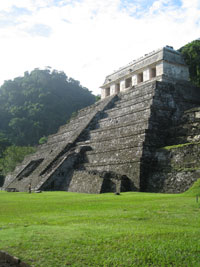
No trip to the Maya would be complete without touring the most famous ruins in Mexico. Let Journey Mexico show you the way to a private entrance where our expert guide can lead you directly to the most interesting features of this ancient city. After a leisurely lunch, spend the afternoon exploring the ancient temples of Coba, a relatively new discovery with more than 6,500 unexplored structures.

Edzna and Uxmal – Plus a Tequila Tasting!
On a different day, experience the magic of the ceremonial sites and religious temples of Edzna. Nestled within the jungle, this set of ruins houses the Platform of the Knives, the Big House and the Gran Acropolis. Once you’re done, enjoy a traditional Mexican meal before reaching Uxmal, one of the best examples of Puuc architecture in the world. As you roam through the temples, your guide will explain the intricacies of the ancient society that once called this city home. Finish off your day with some of the best Tequila in the world as you learn more about one of Mexico’s most important products.

The Biosphere Reserve of Celestun
Leave the ruins behind and discover a part of Mexico that’s full of life! This protected area contains one of the nation’s largest wetland areas. Among other wildlife, you’ll get a chance to see one of the largest colonies of charming Pink Flamingos. Afterwards, enjoy your midday meal in the shade at one of the local beachfront restaurants.

Enjoy the Riviera Maya!
Spend a day or two in luxury before or after your tour of the ruins! Relax by the pool, snorkel in the crystal-clear Caribbean waters, shop for souvenirs and sample the local cuisine. No matter how you decide to spend your time in the Riviera Maya, this will give you a complete picture of the pleasures this part of Mexico has to offer!

Of course, these are just a few examples of how Mexico earned a top spot on CNN Travel’s list of top destinations for 2012. If you’d like to learn more about what you can see and do in Mexico in the coming year, contact Journey Mexico for more information.

Exotic Mexico Vacations

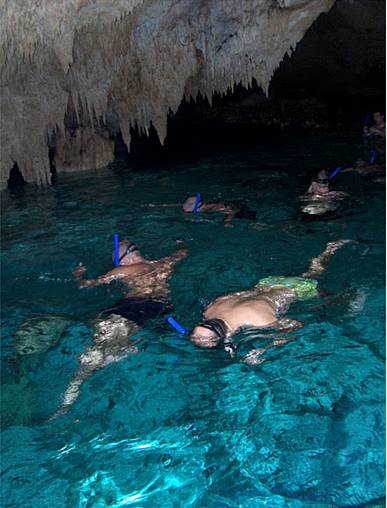
Exotic Mexico Vacation - Centoe Diving Yucatan PeninsulaMexico expects a busier holiday season than last year. According to the Secretary of Tourism, Mexico expects more than 10.4 million visitors just in the last 2 weeks of 2011. Last year, Mexico was the 10th most visited country in the world! Why? There is such a diversity of incredible places to visit in Mexico. One in particular we are very fond of is the underwater cave system in the Yucatan peninsula: the Sistema Sac Actun.

Divers flock to the Caribbean to explore the coral reefs and warm ocean waters, but this area in Mexico offers an entirely different type of diving experience. Positioned on the coast of the Yucatan peninsula near Tulum, an extensive network of underwater caves lies in wait for the more adventurous visitor. Sistema Sac Actun, or the White Cave System, meanders for 113.8 miles making this structure Mexico’s longest cave. If you’re looking for an exotic Mexico vacation and are interested in cave diving, this is the place to be!

Cenote Diving

The less-experienced diver can get a taste of Sistema Sac Actun by exploring one of the many local cenotes, or sinkholes, that have been made available to the public. Just a short drive from nearby Cancun or Cozumel, tourists can bring their own equipment or rent anything they need at a local dive shop. The Grand Cenote, located on Coba Road to the west of Tulum, is the most popular due to its easy access. Other well-known entryways include:

  • Pet Cemetery – This shallow dive is filled with stalactites, stalagmites, and blind fish.
  • The Pit – Take the 24-foot plunge straight down to enter this deep cenote. The maximum depth in The Pit reaches 370 feet, the deepest part of the entire system.
  • Dreamgate – The roots that reach into this cave from the surface give it a dreamlike appearance. A shallow dive, Dreamgate is one of the most decorated sections of Sistema Sac Actun.

Cave Diving

Expert divers use the cenotes to access the entire cave system and travel through 500,000 feet of surveyed areas and pathways. Note that new areas are being discovered by the official exploration team all the time, but no one else should venture outside of charted territory. Maps are available for most of the established paths that wind through this network of caves and cenotes, and navigational markers are positioned along the way.

Once inside this system of underwater caves, the sights vary from ghostly limestone to dramatic formations that look even more beautiful than similar structures found in dry caves. Depths are fairly constant and rarely extend below 40 feet. The water is crystal clear, and temperatures hover around 77 degrees Fahrenheit at all times. Some cenotes include seaweed and other vegetation that gives the environment an otherworldly appearance. In these areas, tropical fish are often seen.

Safety Considerations

Sistema Sac Actun isn’t for everyone. No one should attempt to explore the shallowest cenote without proper instruction. A beginner SCUBA class only takes a few hours and could be enough to allow you to venture into one of the easier cenotes with the help of a guide. To explore the cave system, expect to spend at least two days in class to go with a guide or a week to obtain cave-diver certification assuming you already have your open-water certification. To minimize the time needed for training during your vacation in Mexico, contact a local dive shop at home for advance preparation.

With a little planning, this beautiful and mysterious network of underwater caves can be an exciting part of your active vacation in Mexico. Although the water is not as deep or wide as the open ocean, it’s just as dangerous. Caution should always be taken to ensure your safety.

Let us help you plan an exotic Mexico vacation today!
Tel: +52 (322) 225 9821
Toll Free (from the U.S.): 1-800-513-1587
Fill out our online form>>

10.4 Million Tourists Expected to Visit Mexico in Final Two Weeks of 2011


Source: Marca Pais – Imagen de Mexico

#MexicoToday: Approximately 10.4 million tourists are expected to visit Mexico during the last two weeks of 2011, according to estimates announced recently by Secretary of Tourism Gloria Guevara Manzo.

The Mexican newspaper Excelsior reported that 10.4 million national and international visitors will vacation in Mexican tourist destinations between December 16, 2011 and January 2, 2012. This statistic represents a 4 percent increase over the same time period last year. Approximately 60 percent of these tourists will vacation in Mexico during the final week of 2011.

Wondering how accurate their predictions might be? Take our growing travel company, Journey Mexico, for example. Agreeing with the estimates announced by the Secretary of Tourism, our December 2011 figures show a 5% increase in passengers travelling to Mexico compared to last year. Things are looking even better as 2012 approaches, bookings for the coming year are up 64% over this same time last year!

MexicoToday will celebrate end-of-the-year tourism with the special hashtag #10millionTourists. Visitors to Mexico are encouraged to follow @MexicoToday on Twitter and use the hashtag to share their vacation stories.


Mexico: A Guide to Which Parts are Safe to Travel

This article was written by Andrea Sachs and has been re-posted from The Washington Post

Shortly before Arnoldo Pedroza was scheduled to lead a tour south of Mexico City, the local guide started to worry that recent disturbances would sabotage his trip. He followed news updates anxiously, hoping that the area would cool off and officials wouldn’t ban visitors.

You’re thinking drug cartels, vendettas and gunfire? Wrong. Pedroza was worried about spraying lava, not flying bullets.

“It is an active volcano,” said Pedroza of Popocatepetl, the volatile volcano up which he led a group of American mountaineers a few weeks ago. “I was afraid that it was going to pour lava, but it stayed quiet.”

Mexico’s second-highest mountain is an apt metaphor for the country itself: Despite threatening rumblings, danger doesn’t always materialize. Sometimes it’s even all in our heads. Yet misperceptions dog Mexico, which has been seriously shaken by the ongoing turf battles between drug cartels and the frontal-assault strategy employed by President Felipe Calderon’s government.

“There’s a big gap between perception and reality,” says Margot Lee Shetterly, a Hampton, Va., native who relocated to Mexico with her husband six years ago. “It’s a real shame for people to write off a whole country without looking at the map and at the statistics.”

Without a solid understanding of the geography (761,606 square miles) and the nature of the drug wars (internecine fighting), many foreigners assume that all of Mexico is a war zone. But it isn’t.

“The episodes of violence are in very specific pockets,” says Rodolfo Lopez-Negrete, chief operating officer of the Mexico Tourism Board, “and are unrelated to tourism.”

For proof, Lopez-Negrete rolls out the statistics, derived from a combination of government and non-government sources: Of 2,500 municipalities (what we call counties), only 80, or fewer than 5 percent, have been affected by the drug war, which accounts for only 3 percent of all crime. Mexican cities are also safer than some urban centers north of the border: Mexico City, for example, has 8.3 homicides a year per 100,000 people. That’s fewer than Miami (14.1) and Chicago (16.1). On a global scale, Mexico is safer than many of its neighbors. In 2008, the United Nations Office on Drugs and Crime reported Mexico’s homicide rate as 11.6 per 100,000, significantly lower than Honduras (60.9), Jamaica (59.5) or El Salvador (51.8).

But these figures don’t negate the fact that some places in Mexico are extraordinarily dangerous — so dangerous that they should be mummified in crime tape.

“We are very much focused on Mexico,” says Hugo Rodriguez, chief for Western Hemisphere Affairs in the State Department’s Office of American Citizens Services. “Providing U.S. citizens traveling to and living in Mexico with accurate information about the security situation there is a high priority for us.” The agency’s travel warning on Mexico, last updated in April, specifies the dangers by state, delineating the possible threats to Americans, 4.7 million of whom visited from January through October.

Yet countless tourists balk at the border, unsure of where — or whether — to go.

Well, we’ll tell you. We spoke to security experts, tour operators, government officials and expats for advice on where you can comfortably kick off your sandals and places you should avoid or explore with caution.

One quick PSA: No matter the destination, always be aware of your surroundings and follow the commandments of common sense: Register with the U.S embassy, don’t walk in the dark alone, keep the bling at home, etc. Street crime, like multiple days of rain or a vengeful plate of beans, can really ruin a good vacation.

Visit with abandon (and your family)

We know what you want: to plop down on the beach, sip a margarita and feel your stresses turn to goo beneath the hot Mexican sun.

You’re not alone. About 90 percent of tourists flock to the beach resorts on both coasts, says Lopez-Negrete. Nor will you be disappointed. The majority of beach resorts, especially along the Caribbean Sea and the Gulf of Mexico, are sheltered oases.

“Quintana Roo and the Mayan Riviera are safe by Mexican standards and safe by Latin American standards,” says Pablo Weisz, regional security manager for the Americas at International SOS and Control Risks, referring to the state and nickname of the major beach destinations.

Mark these in your vacation planners as safe: Cancun, Cozumel and Playa del Carmen on the Yucatan Peninsula, and on the Pacific side, Puerto Vallarta and Cabo San Lucas. Some spots left out of the glossy brochures also make the list, such as the colonial city of Campeche, a World Heritage Site on the gulf, and Merida, a city west of Cancun on the Yucatan. In addition, most day trips from the strands, including outings to the Mayan ruins, also occupy the lowest rung on the risk ladder. These excursions include Tulum, Uxmal and Chichen Itza.

“I would take my family to these areas,” says Temo Tarrago, an Americas risk specialist with iJet, a global security risk assessment firm, offering the ultimate stamp of approval.

The open lanes of travel don’t lead only south; they also wiggle inland, to colonial towns delightful with culture, crafts and heaping plates of regional cuisine.

Leon is large, safe and modern, but is also 400-plus years old. It’s the country’s leather capital; there is outstanding shoe shopping,” Shetterly wrote by e-mail. “From Leon, you have access to Guanajuato (World Heritage Site), San Miguel [de Allende] (expat enclave, tons of art, culture, concerts, great food, etc.) and even Queretaro (a gorgeous colonial city that is closer to Mexico City).”

The experts also place smiley-face stickers next to the state of Chiapas, home to ruins, biosphere reserves, textiles and the cultural city of San Cristobal de las Casas.

Finally, Oaxaca dominated 2006 headlines because of protests gone awry, but the city known for its culinary traditions (pass the mole) has calmed down. The teachers union still strikes periodically, but the protests are typically peaceful. If you’re considering going to Oaxaca soon, your timing couldn’t be better: The strikes have already taken place this year. All’s likely to be quiet until the next school year.

Go with caution, or a burly friend

Pack your precautions for some areas that have improved substantially but still present slight risks.

Border town Tijuana has always worn a badge of dissolution, thanks to a spinning turnstile of partiers, drug suppliers and underworld denizens. But the government’s recent crackdown on the cartels has helped clean up the place.

“Tijuana is perfectly fine,” says Lopez-Negrete. “It has gone through a major renovation and transformation.”

Security experts agree on the metamorphosis but place an asterisk beside the town’s name. “It’s not as much of a concern,” says Weisz, “but that doesn’t mean that it should necessarily be considered safe.”

As safeguards, avoid low-end bars and drink or eat only items that have been prepared in front of you. Also, travel during the day and plan your modes of transportation in advance.

Mexico City is a beast of a different nature. The capital city of 20 million people isn’t pocked with drug-related skirmishes, but it does suffer from endemic street crime. Pickpocketing, shake-downs and kidnappings are common occurrences.

“It is a challenge by sheer size,” Tarrago says. “There are no drug cartels, but it does have organized crime.”

Tarrago reminds visitors to hire cabs only from authorized taxi stands and hotels, to keep valuables well hidden and to avoid unfamiliar places at night. “Know where you’re going and be aware of your surroundings,” says the Mexican native, recommending the upscale areas of Polanco and Las Lomas.

Although Guadalajara is unraveling and has experienced drug cartel-related activity, the violence hasn’t spilled over to Lake Chapala, less than 30 miles southeast. Ringed by small communities, the country’s largest freshwater lake draws retired North American expats and migratory birds to its shores.

“The security situation is kind of fluid,” says Tarrago, “but it’s not really affecting normal travelers.” That includes the American white pelican.

Don’t visit unless you’re a commando

Drug cartels don’t target tourists; the battle is cartel vs. cartel and cartel vs. government. Yet sometimes innocent folks find themselves in the wrong place at the wrong time. The best way to avoid this unfortunate situation is to not go there.

So where aren’t you going? The towns along the border with the United States and along the Rio Grande, a line more than 1,200 miles long. One of the worst is Ciudad Juarez, where the current murder toll of six or seven a day is considered an improvement, according to Walter McKay, a Canadian expat who maps the narco-murders and posts the results on his Web site, Policereform.org.

While you’re crossing off names, draw a black mark through the entire state of Chihuahua, which accounts for 14 percent of the killings nationwide.

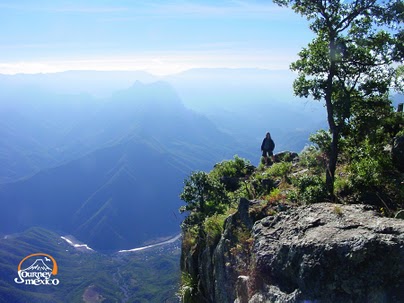
“It has the most violence in the whole country,” says Tarrago, who also warns against Copper Canyon, a natural wonder that is larger than the Grand Canyon and is reached by high-altitude train. “It’s remote,” he said. “I wouldn’t advise anyone to go there at this time.”

On the west coast, red flags wave in the northern areas of Baja California. Despite increased security — “They are better than they were before,” says Tarrago — travelers may come across military checkpoints and potentially sticky situations.

“You have to drive through dangerous areas to get to low-risk ones,” says Weisz. “You’re putting yourself at the mercy of those risks.” The solution: Fly south to Cabo.

Southeast of Baja, Guadalajara hosted the Pan American Games in October without incident. Seems safe, right? But no. A month later, 26 bodies were discovered on a road not far from the Millennium Arches, an iconic downtown structure.

“About 80 percent of Guadalajara is safe,” said McKay, “but how would you know which part of the city to avoid?” An easy solution: Avoid it all.

Some areas are an easy call, such as destinations along the northbound drug routes and near ports, such as Veracruz (city and state), Monterrey and the resort town of Mazatlan.

But one destination now considered dangerous is tougher to fathom. In its heyday, Acapulco was the glittery playground of jetsetters and such silver screen royalty as Elizabeth Taylor and Brigitte Bardot. It later morphed into a spring break haunt. Now, its beaches are empty, its resorts devoid of guests — a casualty of heavy cartel violence. (To make matters worse, a 6.5-magnitude earthquake struck on Dec. 10.)

“Acapulco used to be a beautiful place to go to,” says McKay, “but you don’t go there anymore.”

The State Department advises Americans to “exercise extreme caution when visiting downtown Acapulco,” but thoughtfully provides an alternative: Diamante, a few miles south of downtown. That tourist area’s major selling point: “It has not been affected by the increasing violence” in Acapulco — a paradise lost, at least for now.