5 minute read
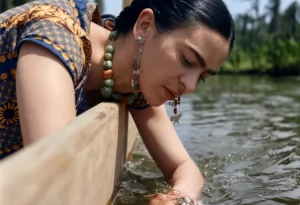
Most people come to the Yucatán for the ruins. What they find, is that the culture never stopped living. The Maya have sustained traditions across thousands of years, and at the center of that continuity, generation after generation, are women. This International Women’s Day, we’re recognizing the artisans, cooks, farmers, and community leaders whose knowledge connects ancient practice with everyday life across the peninsula today.
Craft and Cooking as a Cultural Continuum
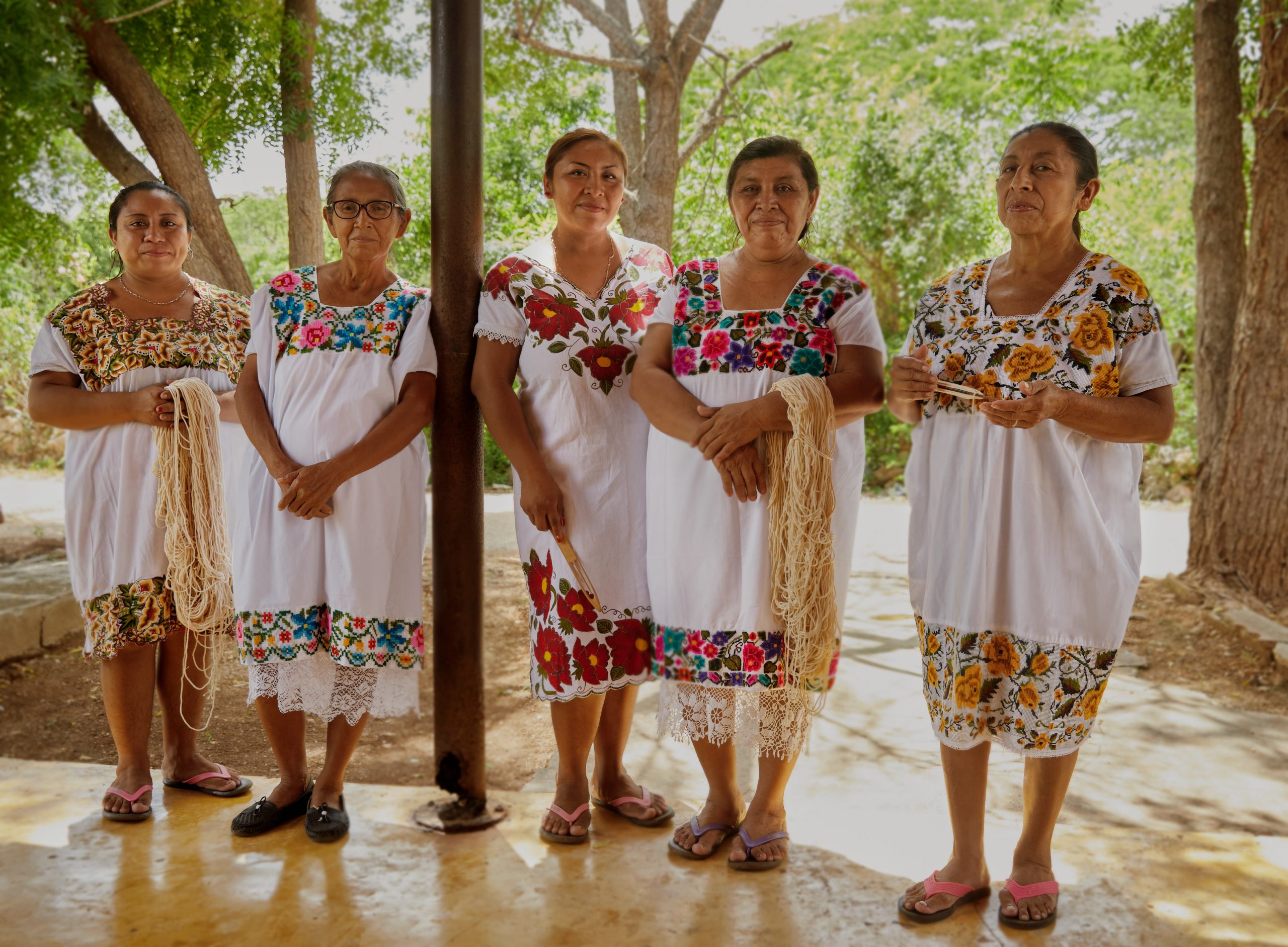
In the pre-Hispanic world, Maya crafts expressed spiritual belief, social status, and community belonging. Textiles like the huipil signaled identity, while ceramics, featherwork, jade jewelry, and carved stone reflected both ritual and political life. Ancient artisans produced everyday objects as well as refined works that moved through vast Mesoamerican trade networks. The hands that have weaved, carved, and sculpted for centuries are the thread between ancestral and contemporary Mexico.
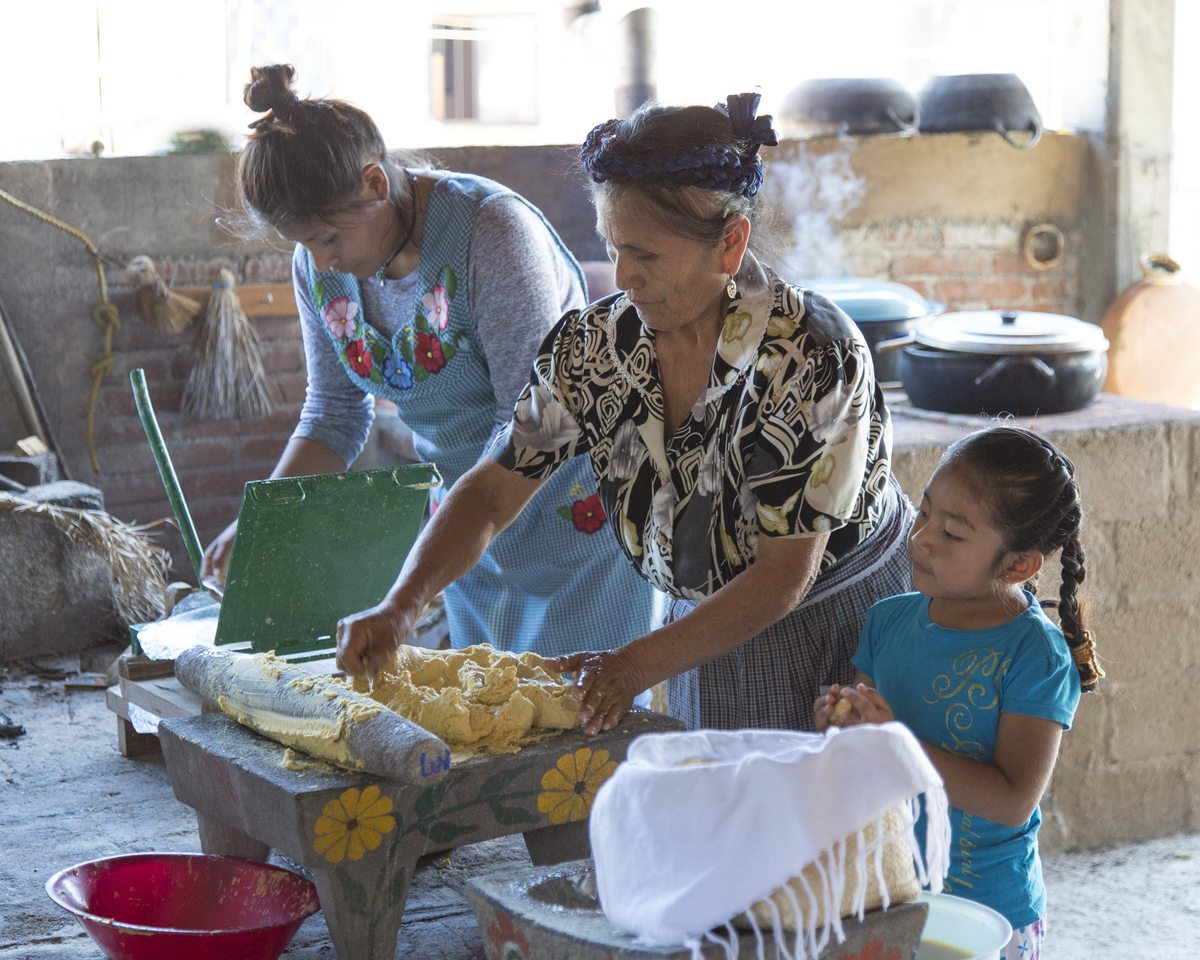
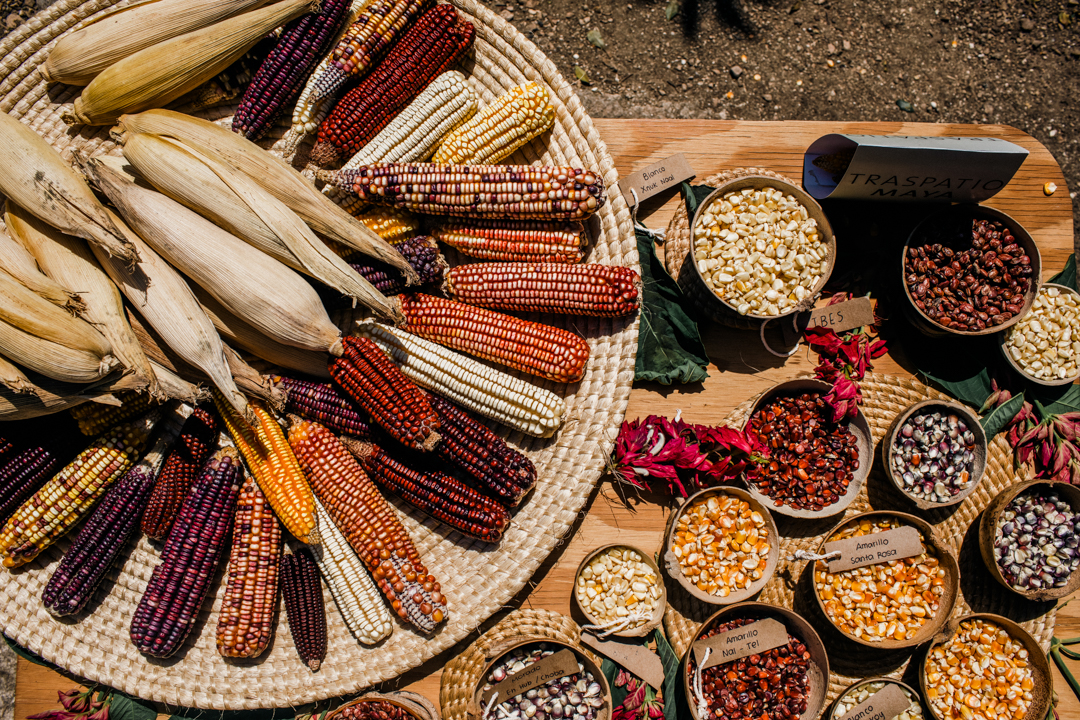
Maya culinary traditions follow a similar path of preservation. Techniques like nixtamalizing corn, grinding maize on the metate, and cooking dishes in the underground pib oven underpin Yucatecan food culture. Just as textiles carry symbolic patterns, food reflects a relationship to the land through ingredients grown in the traditional milpa system. Recipes, seasonal knowledge, and cooking methods are rarely written down. Instead, they are learned through participation in the kitchen and shared during meals gathered round the table.
Women as Keepers and Innovators
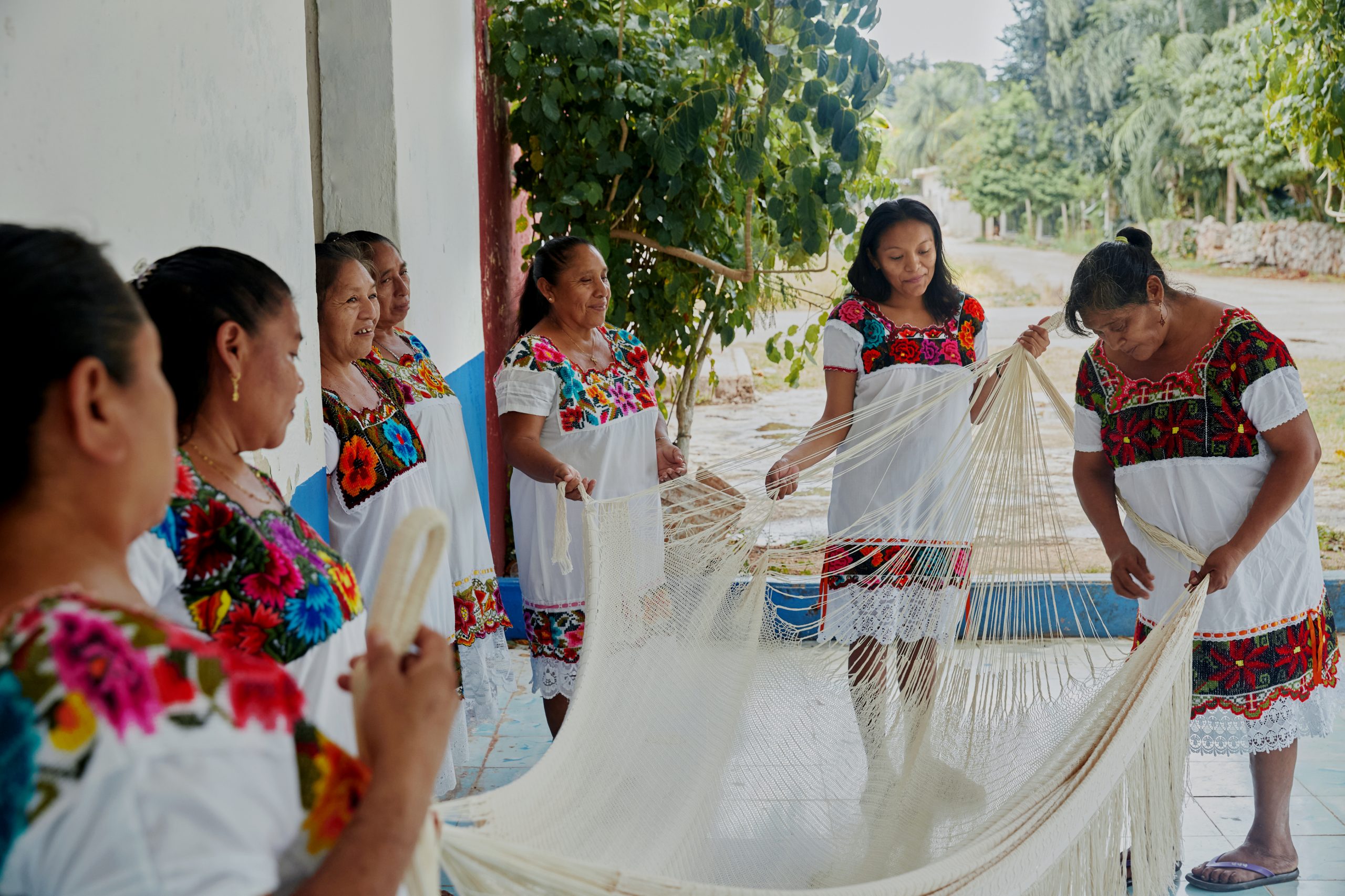
A girl learns to weave before she learns to read. Sitting beside her mother at the backstrap loom, she absorbs patterns that carry centuries of meaning: community identity, cosmology, a relationship with the natural world that no classroom could teach. The huipil she eventually makes will say something about who she is and where she comes from.
The kitchen works the same way. Daughters learn to nixtamalize corn, grind masa, and time the underground pib oven not from recipes but from standing close and paying attention. What gets transmitted alongside the food is agricultural knowledge, seasonal memory, and a sense of place that drives Maya communities across generations.
Many of these same women now lead cooperatives and community initiatives, carrying that same authority outward from the home into the economic and cultural future of their villages.
The Challenges of Tradition
Contemporary Maya artisans continue to use backstrap looms, natural dyes, and regional motifs that carry centuries of meaning. Alongside these crafts, culinary traditions remain equally vital, anchoring both cultural identity and daily life.
Yet challenges persist. Many communities face marginalization and limited access to training, digital platforms, and fair market opportunities, which can make it difficult for artisans and food producers alike to share their work more widely. Strengthening inclusive models that prioritize local leadership and long-term sustainability remains key to preserving these cultural practices.
Collective Empowerment in Action
Community remains central to Maya life, and women are often at the forefront. Cooperative structures, from agricultural groups to artisan collectives, enable shared decision-making and local autonomy.
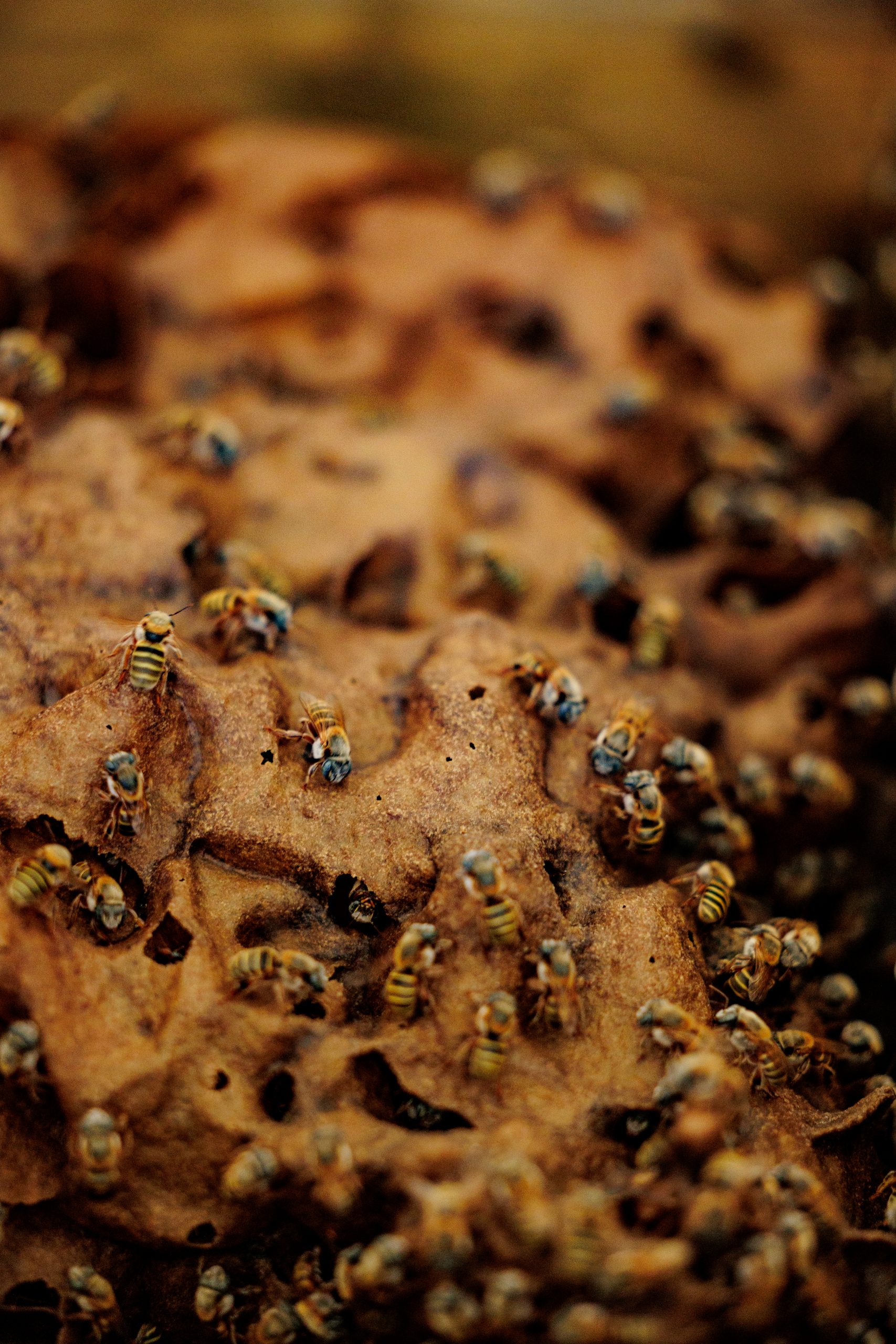
Journey’s Positive Impact Fund supports the Haciendas del Mundo Maya Foundation’s work with Maya communities across the Yucatan Peninsula. Through this partnership, self-led groups develop products ranging from salt and Melipona honey to homeware and fashion, presented under the collaborative brand Taller Maya. By connecting artisans to broader markets, these initiatives promote fair wages while safeguarding cultural knowledge.
Learn with Maya Women on Your Next Trip
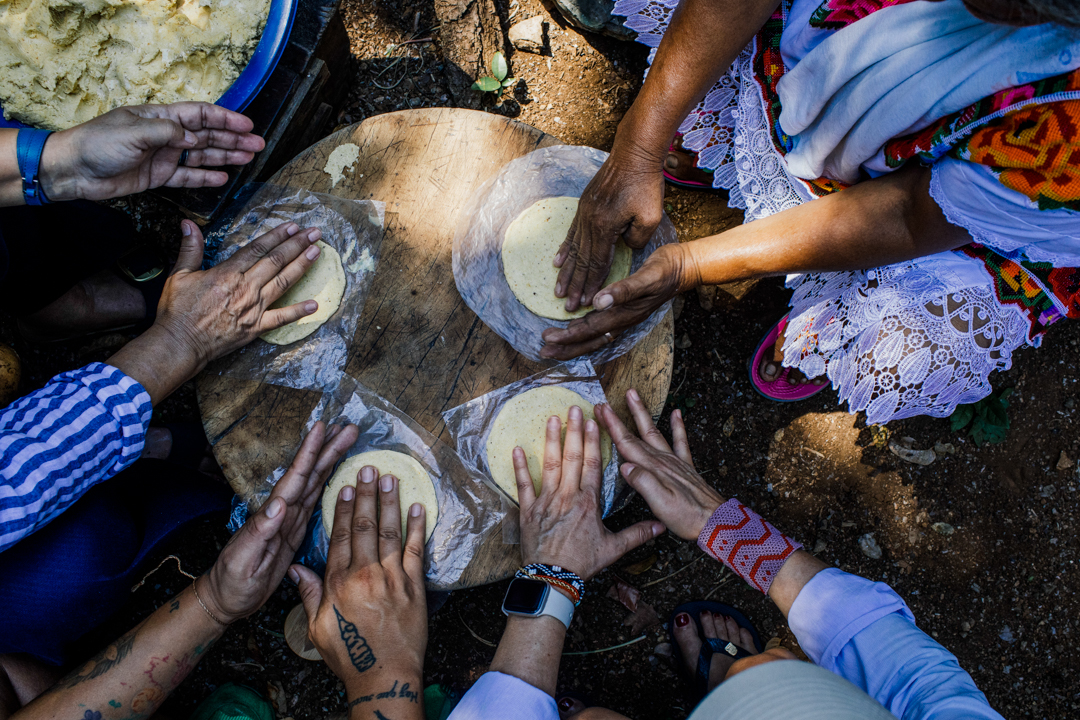
Journey travelers have the opportunity to meet these inspiring women through community-led experiences in Maya villages.
Guests might learn traditional cooking techniques, preparing dishes alongside local hosts and tasting specialties such as mucbipollo, a Yucatecan tamale slow-cooked in a pib oven during Hanal Pixan, the Maya Day of the Dead celebration.
In village traspatios (backyard gardens), women cultivate the herbs, fruits, and vegetables that feed their families and communities, offering insight into Maya agronomy and the relationship between land, food, and culture.
Experiences often extend beyond the kitchen and garden to include visits to nearby archaeological sites and cenotes, places central to Maya cosmology, as well as encounters with the sacred Melipona bee, whose prized honey has long been valued for its medicinal qualities.
Enduring Legacy
The legacy of Maya craftsmanship reflects ingenuity grounded in heritage. Despite centuries of upheaval, Maya communities have adapted while preserving a strong sense of identity and cultural continuity. Their ability to evolve while remaining rooted reflects the strength of the women who continue to carry these traditions forward.
For travelers, visiting these communities offers the chance to connect with the women who uplift Maya culture through craft, cuisine, and community leadership. Speak with one of our travel planners to explore how to incorporate Maya cultural exchange in your personalized itinerary.