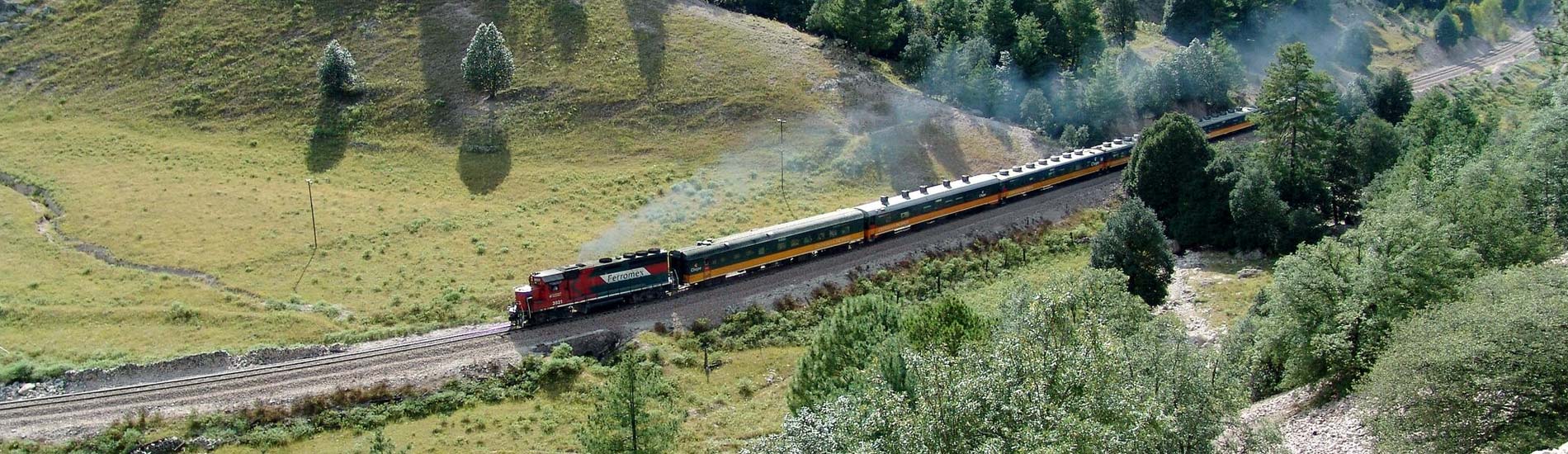


COPPER CANYON & NORTH OF MEXICO
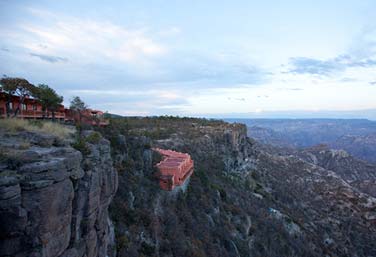
Pristine wilderness, rugged mountainous landscapes, mining towns and indigenous villages, a visit to the Copper Canyon takes you deep off the beaten path.
The largest canyon in North America, the Copper Canyon is nearly four times the volume of the Grand Canyon found in the USA. Explore the area with a hiking trip through the mountains or take the picturesque train ride through the peeks. Visitors can also chose to head out on mountain bike trails or take leisurely boat rides down the El Fuerte River. The area is rich in wildlife, including colorful parrots, squirrels, raccoons, snakes, fox, eagles, and various domesticated animals.
SAMPLE ITINERARIES
Use the itineraries below to generate ideas for your vacation. Each itinerary is completely customizable – you choose your dates, accommodations, activities and more to create your perfect Mexico holiday.
8 Travel Itinerarie(s) Found
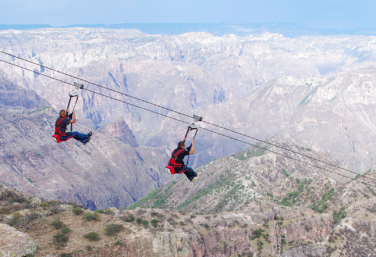
Family Spring Break: Copper Canyon & Baja
This sample itinerary is designed to inspire families who want adventure and cultural immersion during their holiday.
 |
Baja California & Sea of Cortez, Copper Canyon & N. Mexico, Los Cabos | |
 |
15 days |  From $Please inquire From $Please inquire |
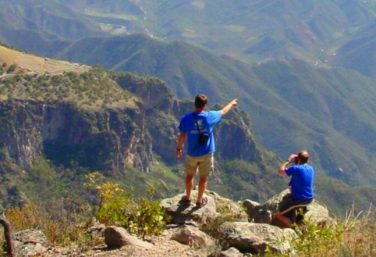
Escorted Group Tours – Copper Canyon Fall Hiking Expedition
Our Copper Canyon escorted group tours offer a mix of adventure, history, culture and exploration. With an expert guide leading the way
|
Copper Canyon & N. Mexico | |
|
9 days | From $Please inquire |
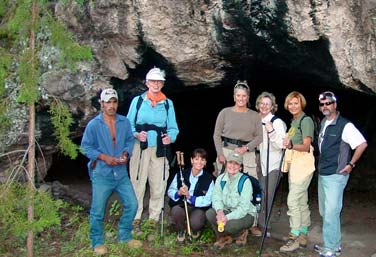
Copper Canyon Semana Santa Trek
The Copper Canyon Semana Santa Trek operates during Holy Week, offering a once in a year opportunity to discover the customs, rituals a
|
Copper Canyon & N. Mexico, Off the Beaten Path | |
|
10 days | From $Please inquire |
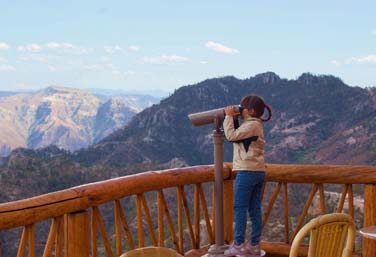
Copper Canyon Family Semana Santa
This unique 10 day trip is operated visits remote Tarahumara villages, frontier mining towns, and colonial cities during the Holy Week
|
Copper Canyon & N. Mexico, Off the Beaten Path | |
|
9 days | From $Please inquire |
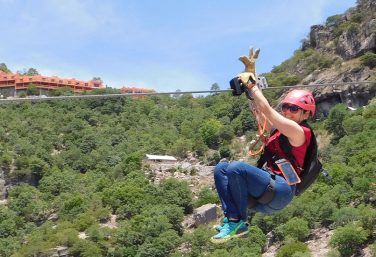
Copper Canyon Family Experience
The Copper Canyon Family Experience is ideal for active families who enjoy both outdoor exercises and seeing the culture and local vill
|
Copper Canyon & N. Mexico | |
|
9 days | From $Please inquire |
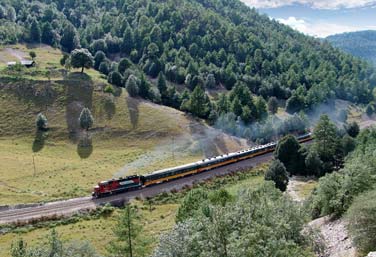
9-day First-Class Copper Canyon Railway Adventure on El Chepe
Explore your adventurous side on the Copper Canyon Railroad Trip, one of the world’s most scenic rail journeys and explore towns off
|
Copper Canyon & N. Mexico | |
|
8 days | From $Please inquire |
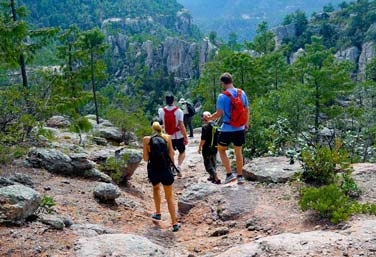
Copper Canyon Hiking Tour
The Copper Canyon Hiking Tour is a rugged adventure ideal for active travelers wanting to combine outdoor experiences with a glimpse in
|
Copper Canyon & N. Mexico, Off the Beaten Path | |
|
9 days | From $Please inquire |
Discover Baja and the Copper Canyon
This trip combines the discovery of Baja Califonia Sur with the adventures of the Copper Canyon region, perfect for active and curious
|
Baja California & Sea of Cortez, Copper Canyon & N. Mexico, Off the Beaten Path | |
|
17 days | From $Please Inquire |
Copper Canyon & N. Mexico Highlights
- El Fuerte – Known for its Spanish architecture and colonial atmosphere, the cobblestone streets of El Fuerte reveal close ties to its colonial roots. El Fuerte served for more than three centuries as a major farming and commercial center.
- Los Mochis – The gateway city on the Pacific coast, this is the final western stop of the Chihuahua-Pacific Railroad. It is also an arrival point for the ferry from La Paz.
- Chihuahua al Pacifico El Chepe Train – Considered one of the world’s most scenic rail journeys, the train crosses 36 bridges and passes 87 tunnels along its 655km route from Mexico’s interior to the Pacific coast.
- Divisadero– This town offers a great chance to see the panoramic views across the Copper Canyon.
- Batopilas – This small 19th-century mining village can be found deep in the canyon about 225km south of Creel. While hiking the Copper Canyon, the ‘tropical’ climate allows you to be among the numerous fruit trees, rather than the cool pine forests of Creel.
- Creel – Founded in 1907 as a railroad town and located on one of the main rims of Copper Canyon, Creel offers a great place to spend a night or two, hike the canyons, and partake in other activities. Covered with pine forests, the cool air around the rim of this area blends with the crisp pine smell creating a unique aroma.
- Chihuahua – Best known for being home to Pancho Villa in the early 1900s and the home base for Benito Juárez in the late 1800s, the city of Chihuahua has strong revolutionary roots.
- Taramuhara Indigenous – Originally inhabitants of Chihuahua, the Tarahumara people retreated to the mountains upon the arrival of the Spanish in the 16th century. Known globally as long-distance runners, they still maintain a vital presence in the area and live throughout the Copper Canyon region in log cabins and caves, maintaining close ties to the land.