Tag Archives: tulum

Incredible Photos of Tulum

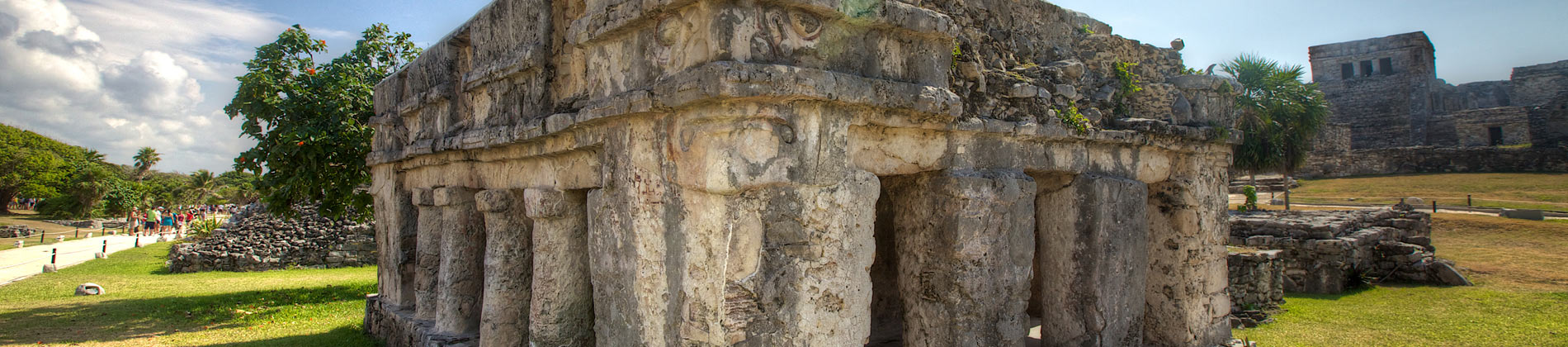
One cannot read information about Mexico’s Riviera Maya without a picture of the beautiful Tulum ruins as the highlight photo. The town of Tulum and its ruins are located on the south end of the Riviera Maya, about an hour and 40 minutes drive from Cancun. It has evolved into  a world-class tourism destination that Journey Mexico knows inside and out.

To check out our Tulum guide click here; or just enjoy photos from our most recent trips:

Tulum ruins view

tulum-ruins-2 tulum-ruins tulum-beach-2

Dreams Tulum Dreams Tulum Dreams Tulum Beach

Scenery in Tulum Boutique hotel in TUlum Hammock in tulumPhoto Credits: (1-4) Graham Mattock, (5-7) Jessica Seba, (8-10) Zachary Rabinor

The Complete 411 on Tulum: Where to Stay, Eat, and Wander

Tulum, a once “off the beaten path” destination on Mexico’s dazzling Caribbean Coast, is known for its picturesque Mayan archaeological site perched on a cliff overlooking the turquoise blue Mexican-Caribbean sea.  Today, as the region has grown into a world-class tourism destination, it is one of the most visited Mayan sites.  As increased visitation and development pushes down the coast from Cancun, Tulum has retained its bohemian, wild feel along with being home to some of the most spectacular beaches in the world; Tulum has evolved from a cross-roads trading post of the Mayan Civilization to a truck stop village into the type of “travelers place” that reminds us why we travel in the first place!

Beautiful beaches of Tulum

In the beginning Tulum was placed firmly on the backpackers map and had relatively little to no infrastructure for travelers.  The intrepid hung their hammocks between the swaying palm trees, pitched their tents, and quietly enjoyed the white sand beaches, crystalline waters, virgin cenotes with a few others and with nesting sea turtles and other abundant wildlife.  As the word spread of spectacular, secluded beaches and solitude, Tulum became a haven for nature lovers, yoga practitioners, divers, and those looking to escape the mass tourism that enveloped Cancun and then spread down the Riviera Maya.  Today Tulum continues its evolution and now welcomes trendy travelers with a full array of boutique hotels, unique restaurants, and even an organic and tranquil nightlife scene (except for Saturday nights when Papaya Playa pulses and brings in internationally renowned DJs!).  Still off the grid and with only sporadic cell phone coverage (at least on the beach), change has come quickly to Tulum  which now even has its very own chain supermarket; allegedly Wall Mart and Costco have their sites picked out for future development.

The strip of beach where the sought after hotels are located is still off the grid with no hard line power; while this has limited its growth until now, it has also made it vulnerable to environmental degradation as development continues.  Set on a strip of beach in front of the Caribbean and surrounded by the jungle to the east, Tulum archaeological site to the north, and Sian Ka’an Biosphere Reserve to the South, Tulum really is a finite resource.  While Tulum has gotten a name for itself as a sustainable or green destination, most hotels employ part or full time generators and few are taking sustainability seriously; hopefully that will change or it will begin to impact the very attributes that have lured travelers here from the outset.  One place in particular that is walking the environmentally conscious walk is Casa de las Olas, an innovative, completely sustainable guest house/villa owned and operated by the inimitable James Greenfield.  An array of new niche hotels has entered the area, and although there are a few all-inclusive resorts (Dreams Tulum being excellent for families), most people come for the smaller, boutique hotels.

Travelers who come to Tulum are generally looking for an off the beaten path, secluded, intimate experience with nature and a strong sense of place and community; the contrast from Cancun couldn’t be more stark!  The new wave of boutique hotels, restaurants and shops that have cropped up along the beach in and around Tulum embody the ethos of the destination with a small scale, authentic, down to earth look and feel that is more and more difficult to find.  Price points range from $20 (for a place to pitch your tent) to $1,000 dollars a night offering options for every traveler’s budget. Tulum and its unique community of backpackers, yoga enthusiasts, spiritual travelers, ‘green’ tourists, bo-ho hippes, A-List celebrities and fashion industry execs, would all agree that Tulum is the hot place to be. In fact, Ralph Lauren Magazine says “Tulum has emerged as a destination for the fashionable to decompress and spiritually recharge”

The most innovative new additions to the hotel scene include Coqui Coqui, Jashita, the newly remodeled Las Ranitas, Villa Casa de Las Olas, and  Be TulumPapaya Playa is also making a stir with the consolidation of the former bungalows Prival, Papaya, and Copal.  Travelers looking for a unique Mexican beach vacation will find some of the best experiences at these hotels.

Eco boutique hotel in Tulum

Las Ranitas

Photos of Coqui Coqui Tulum - Spa Images

This photo of Coqui Coqui Tulum is courtesy of TripAdvisor

Tulum Boutique Hotel Jashita

Jashita

Beachfront villa in Tulum

Casa de las Olas

The beach is also dotted with some delicious and memorable culinary experiences; so much so that it’s difficult to even know where to begin; that said, be sure not to miss:  Puro Corazón is an artisanal restaurant fusing traditional regional Mexican food with contemporary and modern cuisine; el Tábano is a family run restaurant using local ingredients and knowhow; The Hartwood by signature Chef Eric Werner is truly extraordinary, again with the theme of using locally grown ingredients, solar powered, and artisanally crafted plates; a 3 star Michelin quality and creativity nestled deep in the beachside jungle of Tulum   Eric is also putting together multi-day culinary workshops that are a must for foodies!

Best restaurants in Tulum

Puro Corazon 

Parallel to the development on the beach, Tulum pueblo’s growth has been astounding; a sleepy little stop for gas, beer, ice, and some other essentials now boasts more than 30,000 inhabitants who work in and around the dynamically growing tourism industry. Tulum Pueblo straddles either side of the Mexico highway 307 and is teeming with the real deal in terms of restaurants, bars, and fun places to hang out.  Interestingly, some of the best restaurants in the area are found of the beach in Tulum Pueblo including the best  whole Red Snapper, towering portions of ceviche, and the Coconut Shrimp in town at El Camello Jr., unique mole and central Mexican dishes at Cetli, Rincon Italian with fresh pastas homemade sauces hidden local’s place, El Chiapaneco for tacos al pastor and a dizzying array of homemade salsas only open after 6 pm and many more!  For a cool locals late night hang out don’t miss La Gran Mosca Verde for cool cocktails, open air foreign film nights on Wednesday and Sundays, and the best Mojitos in town.

So what else is in Tulum beside eco-chic hotels and beautiful beaches? Tulum is also famous for its cenotes (fresh water sink holes that allow access to the amazing subterranean river system and caverns that criss-cross the Yucatan Peninsula). Cenotes are a big draw because in addition to offering the opportunity to refresh in their fresh and cool waters in the middle of a hot day, they harbor mysterious clues and vestiges of Mayan rituals and history.  Exploring by foot, swimming, snorkeling and even SCUBA expeditions for the truly intrepid (and certified!) are all options to literally scratch beneath the surface of this dynamic region.  Sian Ka’an Biosphere Reserve to the south offers one of the largest and most important protected areas in the Americas and offers the nature inclined traveler first class opportunities for bird watching, along with hundreds of other species, many of them unique to the region.  Don’t’ miss the sunset from the top of the Cesiak Eco lodge!  You can also visit the small but interesting Muyil archaeological site within the reserve and explore its labyrinth of channels and canals amongst the mangrove and wetland estuaries with local Mayan community members who are making good on the promise of ecotourism.  Nearby you have the impressive Cobá archeological site (only :40 minutes from Tulúm) and if you’re inclined to explore further you can head to Valladolid, a 500 year old colonial village in the center of the Yucatan Peninsula and its first capital city!

Famous ruins at Tulum archaeological site

With so many options for natural, cultural, culinary, and adventure experiences it’s no wonder that Tulúm is the hot place to be these days.  Tulúm is holding true to its origins as a cross roads: between the intensive development to the north and pristine nature to the south; designer hotels and thatched roof bungalows; fashionistas and hippy backpackers, living the experience and being seen in the scene.  The contrasts all point to an almost metaphysical magnetism that Tulum has cast on the creative, the adventurous, and the spiritual, bringing it to the cutting edge of contemporary travel today!

Best Boutique Hotels and Luxury Villas in Tulum

Tulum, Mexico, a coastal land once inhabited by the Mayans, is known for its mind-blowing natural landscape, blanketed with tropical vegetation and bordering the crystal waters of the Caribbean Sea. Its name stems from the Mayan word for “wall,” describing the fortification that surrounded the Pre-Columbian city, the ruins of which still remain on 12-meter cliffs along the Yucatan Peninsula’s coast. Like so many other ancient cities, Tulum thrived well into the 15th century but eventually fell to Spanish conquest. For the traveler looking for a unique Mexican vacation, here are our top 10 picks for best boutique hotels and villas in Tulum.

1)Shambala Petit Tulum

Ten thatched-roof cabanas named for Mayan deities line the shores of South Beach, offering an unparalleled view of sparkling ocean. This hidden retreat features relaxing minimalist décor and lounge chairs shaded by palm trees. Guests can arrange cooking and Spanish lessons or enjoy tranquil yoga classes.

2)Be Tulum

A captivating blend of nature and luxury awaits in 20 suites decorated with reeds, stonework and distressed wood. Glass doors and private terraces give a breathtaking view of the ocean, beaches and tranquil gardens. Weary travelers can relax at the poolside bar or enjoy a spa massage.

3)Casa Yakunah

Oceanfront and private lagoon surround this stunning boutique villa, where all guests can tour ancient Mayan canals. Spacious rooms of contemporary Mayan décor come with maid services, full meals and a complimentary Swedish massage. The villa is charmingly sustainable while offering luxury amenities like rooftop dining and satellite Internet and TV.

4) Ana y Jose Hotel & Spa

Tropical landscape and the Caribbean Sea provide an incredible backdrop for luxurious oceanfront suites that welcome guests with bright colors and nature-inspired décor. Palm-shaded hammocks, spa treatments and linen drapery make this hotel a romantic hideaway, while nearby remnants of Mayan culture provide exciting day excursions.

5)Hotel Esencia

The regal estate of a former duchess houses this contemporary retreat, a spectacular blend of lush scenery, modern simplicity and authentic Mexican décor. Traveling families will be enchanted by versatile amenities ranging from children’s cooking lessons to pre-loaded iPods to relaxing private pools.

6)Casa Godi

This 3-bedroom private villa lies in the Sian Kaan reserve amidst the sparkling Caribbean Sea, Tulum archaeological ruins and the famed ancient Mayan canals. Fully staffed and environmentally conscious, Casa Godi uses green energy to offer satellite TV, Internet and iPod entertainment. Services are expertly tailored to guests’ needs, including pre-planned gourmet meals.

7)Villa Bel’Ha

Plan an unforgettable family getaway to this private rental villa with four suites, seven stunning terraces and two beachside huts. Elegant rooms combine Meso-American influences with natural and contemporary décor, incorporating tranquil comforts like balconies and hammocks. Dine amidst lush tropical scenery and enjoy local eco attractions from swimming with dolphins to visiting the enchanting butterfly pavilions.

8)Villas Akumal

Twenty-six villas and studios make up this impressive resort on the Caribbean shore. Airy, open spaces, white linens, and wood and thatch décor merge luxury with the natural beauty of tropical gardens and white sandy beaches speckled with nesting turtles. This private paradise appeals to adults and children with onsite water sports, babysitting services, massages and gourmet meals.

9)Kite House

A brand new 4-bedroom villa, Kite House is artfully balanced, offering cutting-edge technology alongside airy, tropical-style rooms with views of the Caribbean Sea and ancient Mayan ruins. Private bathrooms accompany each unique room and the house is fully staffed with a butler, chef and maid services. A wealth of upscale shopping and cuisine stops are nearby, but guests won’t want to leave the villa’s automated current infinity pool.

10)Zacil Na

For a sweet escape, Zacil Na is the perfect private villa for the whole family, offering four bedrooms right on the waterfront. Guests are pampered with custom meals from an onsite chef, concierge services and water sports equipment to enjoy in the soothing pool or beach. Bask in the tranquility of natural gems while having plenty of tech power ranging from outdoor speakers to an in-house computer and flat screen TV.

Visit The Top 10 Archaeological Sites in Mexico

Travelers who are interested in learning about ancient cultures and civilizations will be delighted to learn that Mexico boasts some 182 archaeological sites. Many of these sites are designated UNESCO World Patrimony sites, meaning that they are recognized as sites that bear clues to mankind’s origins and evolution. There are a wealth of archaeological sites to pick from when traveling to Mexico. Consider our top 10, which offer plenty of intrigue and excitement.


Teotihuacán

Located in Southern Mexico in the State of Mexico, Teotihuacán is popularly known as the place where men become gods. In pre-Columbian times, this metropolitan city boasted more than 100,000 inhabitants. It was one of the most influential cities in terms of religion, culture and politics in the pre-Columbian era.

Additional Journey Mexico blogs on Teotihuacán.

Templo Mayor

Known in pre-Columbian times as teocalli, Templo Mayor is located in Mexico City. This temple was integral to the political, religious and social life of the Aztec people. The temple was in use from 1325 B.C. until 1521 A.D. Today visitor’s can explore the temple’s original grounds and visit a museum containing artifacts related to Aztec society and religious practice.

Additional Journey Mexico blog on Templo Mayor.

Tlatelolco

Located in present-day Mexico City, Tlatelolco is a temple complex used by the people of México Tenochtitlán. It is believed that the Tenochca and Tlatelolca peoples built the temple together and shared it to honor their gods. The temple was in service from 1337 B.C. until 1521 A.D.

Monte Albán

An ancient city complex, Monte Albán served as the capital for the Zapotec peoples. Located in the State of Oaxaca, this ancient city is an exemplar of Zapotec city life, containing social areas and a temple area.

Additional Journey Mexico blogs on Oaxaca.


Chichén Itzá

Located on Southern Mexico’s beautiful Yucatán Peninsula, Chichén Itzá is a focal point of Maya civilization. The city contains traditional Mayan temples and buildings. Visitors can also see the results of migration and the marks of individuals from other Latin cultures in the city of Chichén Itzá.

Additional Journey Mexico blogs on Chichén Itzá.

Uxmal

Located in the Yucatán, Uxmal is an ancient Mayan city known for its large, ornate buildings and temple. Built in the Puuc style, the city includes the Pyramid of the Magician and a Governor’s Palace. Uxmal was one of the most powerful cities in the Mayan empire during pre-Columbian times.

Tulum

Formerly known as Zama, or The City of The Dawn, Tulum is located on the Caribbean Coast in the State of Quintana Roo. It is widely considered the last city built and inhabited by the Mayans prior to the arrival of the Spanish. Visitors can roam the ancient site while taking in breathtaking ocean views.

Additional Journey Mexico blogs on Tulum.

Xcaret

Also located in Quintana Roo, Xcaret was an important Mayan trading center. Visitors can explore many building from the Late Post-Classical period. Travelers can also visit nature preserves and learn more about the day-to-day life of the Mayan people while visiting Xcaret.

Cobá

Located near Chichén Itzá and Tulum, Cobá is an extensive complex of Maya ruins settled between 100 B.C. and 100 A.D. The city is rivaled in size only by Chichén Itzá, which was an enemy city for many centuries. Today’s visitors enjoy stunning pyramids and temples.

Palenque

A Mayan city-state located in the present-day state of Chiapas, Palenque was one of the most powerful cities in the Classical period. Palenque is regarded to contain some of the best bas-relief carvings and sculptures produced by the Maya.

Additional Journey Mexico blog posts on Palenque.

Mexico provides a wealth of opportunity and learning about ancient cultures and early civilizations. While the country is home to more than 182 archaeological sites, each of which are unique and fascinating in their own right, these 10 are by no means more significant than the others, but provide an exciting start if you’re considering an archaeological trip to Mexico.

Exotic Mexico Vacations

Exotic Mexico Vacation - Centoe Diving Yucatan PeninsulaMexico expects a busier holiday season than last year. According to the Secretary of Tourism, Mexico expects more than 10.4 million visitors just in the last 2 weeks of 2011. Last year, Mexico was the 10th most visited country in the world! Why? There is such a diversity of incredible places to visit in Mexico. One in particular we are very fond of is the underwater cave system in the Yucatan peninsula: the Sistema Sac Actun.

Divers flock to the Caribbean to explore the coral reefs and warm ocean waters, but this area in Mexico offers an entirely different type of diving experience. Positioned on the coast of the Yucatan peninsula near Tulum, an extensive network of underwater caves lies in wait for the more adventurous visitor. Sistema Sac Actun, or the White Cave System, meanders for 113.8 miles making this structure Mexico’s longest cave. If you’re looking for an exotic Mexico vacation and are interested in cave diving, this is the place to be!

Cenote Diving

The less-experienced diver can get a taste of Sistema Sac Actun by exploring one of the many local cenotes, or sinkholes, that have been made available to the public. Just a short drive from nearby Cancun or Cozumel, tourists can bring their own equipment or rent anything they need at a local dive shop. The Grand Cenote, located on Coba Road to the west of Tulum, is the most popular due to its easy access. Other well-known entryways include:

  • Pet Cemetery – This shallow dive is filled with stalactites, stalagmites, and blind fish.
  • The Pit – Take the 24-foot plunge straight down to enter this deep cenote. The maximum depth in The Pit reaches 370 feet, the deepest part of the entire system.
  • Dreamgate – The roots that reach into this cave from the surface give it a dreamlike appearance. A shallow dive, Dreamgate is one of the most decorated sections of Sistema Sac Actun.

Cave Diving

Expert divers use the cenotes to access the entire cave system and travel through 500,000 feet of surveyed areas and pathways. Note that new areas are being discovered by the official exploration team all the time, but no one else should venture outside of charted territory. Maps are available for most of the established paths that wind through this network of caves and cenotes, and navigational markers are positioned along the way.

Once inside this system of underwater caves, the sights vary from ghostly limestone to dramatic formations that look even more beautiful than similar structures found in dry caves. Depths are fairly constant and rarely extend below 40 feet. The water is crystal clear, and temperatures hover around 77 degrees Fahrenheit at all times. Some cenotes include seaweed and other vegetation that gives the environment an otherworldly appearance. In these areas, tropical fish are often seen.

Safety Considerations

Sistema Sac Actun isn’t for everyone. No one should attempt to explore the shallowest cenote without proper instruction. A beginner SCUBA class only takes a few hours and could be enough to allow you to venture into one of the easier cenotes with the help of a guide. To explore the cave system, expect to spend at least two days in class to go with a guide or a week to obtain cave-diver certification assuming you already have your open-water certification. To minimize the time needed for training during your vacation in Mexico, contact a local dive shop at home for advance preparation.

With a little planning, this beautiful and mysterious network of underwater caves can be an exciting part of your active vacation in Mexico. Although the water is not as deep or wide as the open ocean, it’s just as dangerous. Caution should always be taken to ensure your safety.

Let us help you plan an exotic Mexico vacation today!
Tel: +52 (322) 225 9821
Toll Free (from the U.S.): 1-800-513-1587
Fill out our online form>>

Southern Mexico: The Final Day

After a quick breakfast at Maroma, we set off for the coastal archeological site of Tulum. Going into the visit, I had the idea that Tulum consisted of only one structure on a seaside cliff, but I was pleasantly surprised when we arrived as there are many ancient homes and pyramids at the site. Our expert guide illuminated the site for us and taught us how to distinguish between what was a home and what was a temple by looking at the structure of the ruins. Of course, the brilliantly turquoise waves lapping the beach below (where you’re welcome to go for a swim) made Tulum especially nice to visit.

On the coast at Tulum

After Tulum, we had an emotional goodbye with our beloved driver, Pedro, who over the course of the past fifteen days, has become both a good friend and bodyguard to our group (not to mention that he’s got to be the best/coolest bus driver in Mexico!).

What a great group!

The rest of the day was spent inspecting some incredible private villas and boutique hotels on the Riviera Maya, ending at our final location, the fabulous Esencia, where we shared one last, delicious group dinner. As we reflected over our final meal together, we realized just how special it has been to travel with such an international cast of characters. In total, our group represented nine countries: Mexico, the US, England, Australia, Hong Kong, Singapore, Belgium, France, and Italy! I’m confident I speak for the group when I say it was an incredible pleasure to spend 14 days getting to know the customs and traditions not only of Mexico but of each other’s countries as well. I’m not even out of the airport and I’m missing everyone already! Hopefully some of the group members will send us a personal review of the trip so that you can get to know them as well. Until then, stay tuned for more photos and video from the trip!