
Category Archives: Fairs and Festivals

Cancun – Riviera Maya Food and Wine Festival

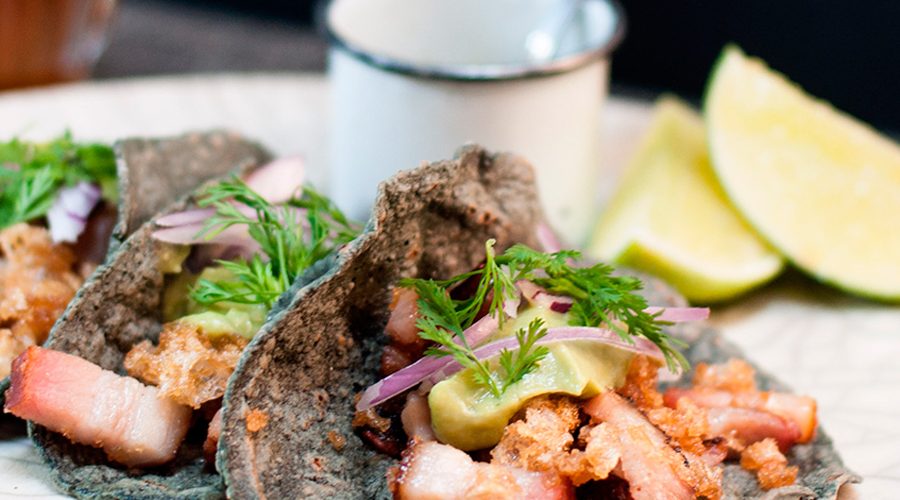
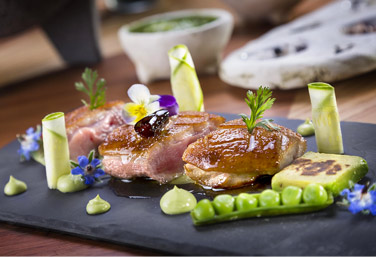
Cancun and Riviera Maya join together this year to hold their second annual Wine and Food Festival. The festival will be held March 14 to 17 and will feature 25 events. International chefs and sommeliers from around the world will join the exclusive gourmet festival to show off their culinary talents.

Food and Wine Festival in Riviera Maya and Cancun

Last year the festival honored Mexican gastronomy, this year’s theme is Taste the New World – Europe Meets America. Taste demos, mezcal and wine tasting, spirits seminars, and chef competitions are just some of the events that will be held in luxury resorts and venues found in the area. Enrique Olvera and Massimo Bottura are the guests of honor.

The Cancun-Riviera Maya Wine and Food Festival  gives food enthusiasts an incredible opportunity to sample cuisine, taste wines from around the world, and watch cooking demonstrations in the finest spots in the Mexican-Carribean.  If you would like to visit, please contact Journey Mexico.

For a schedule of events, visit www.crmfest.com.

Carnival Celebrations in Mexico

This week, people all over the world are starting their Carnival celebrations (known as Mardi Gras in the USA). The celebrations always start a week before Ash Wednesday, a history that ties back to Biblical times and Lent.

Carnival celebrations in Mexico take place in at least 200 cities and towns. Some celebrate with a large and spectacular presence, comparable to Carnaval in Brazil, and some celebrate in small, uniquely traditional ways. Here are our top five picks for where to celebrate carnival in Mexico:

Mazatlan, Sinaloa 
Mazatlan’s International Carnaval is a non-stop affair with thousands of costumed partiers, parades, floats, fireworks, concerts and confetti. It is the biggest celebration of its kind in Mexico, with traditions dating 100 years old and attracting hundreds of thousands of people!

Carnival Mexico Mazatlan


Veracruz, Verzcruz
This Mexican coastal city has become host to one of the most important carnivals in Mexico as a result of its folklore and unique elements in its jubilee. Music plays a very important role in Veracruz’s celebrations and a variety of different styles can be heard whether it’s danzon in the main plaza, marimba during one of their many parades  or ballads during their  ’burning of the bad mood’ ritual.

Morelos State
This state knows how to party for Carnival! Several towns in Morelos, such as Tepoztlan, Tlayacapan, Yautepec, and Jiutepec add several religious traditionsto accomopnay their colorful festivities.  One tradition that is prominent to this region is the Dance of the Chinelos, a costumed dance where the characters are playful, tricky, and jump in the movement of puppets.
Chinelos


Campeche, Campeche
Campeche is one of Mexico’s oldest carnivals. They celebrate with both unique and traditional customs, some which accompany certain days of the week. On “Wet Monday” children throw water balloons;  ”Painters Tuesday”, neighbors gather to paint each other; and “Fat Tuesday” the carnival ends with the traditional burning of the doll that represents Juan Carnaval.

Merida, Yucatan
Merida comes alive with color during its carnival celebrations more than usual. Themed parades of local folklore and costumes happen frequently over their eight day festival, continuing into all-night long dancing parties of salsa, cumbia and mambo. A peculiar tradition to Merida is the Battle of the Flowers, where people throw flowers at each other.

Carnival in Merida Yucatan


Travel Trade Show 2013: Tianguis Turistico Puebla

Puebla Tianguis

Puebla is gearing up for the 38th Edition of the Tianguis Turistico — Mexico’s most important travel trade show. The fair will be held from March 17th to March 20th at the Exhibition Center in the state’s capital,  providing a unique business arena where domestic and international purchasers are able to meet with over 500 Mexican tourism service providers.

For 36 years, Tianguis Turistico had been held in Acapulco before deciding to become a traveling tourism fair, making its first stop in 2012 at the beach destination of Puerto Vallarta.  Puebla will be the first colonial destination of the Tianguis Turistico Mexico. While last year had a record-breaking attendance of 1,400 buyers and 7,500 attendees, this year Mexico is expecting to exceed that number with 1,500 buyers from 33 countries. Puebla was chosen as this year’s host because of it abundance of cultural and historical significance. In fact, the city of Puebla was named a UNESCO World Heritage site in 1987. Puebla commented that it will be a proud host and as part of preparations for Tianguis’ activities, the city has invested more than 300 million pesos in infrastructure.

If you are unfamiliar with Puebla, it has exquisite architecture which can be seen in its many churches and convents and it is also where some of the popular dishes of Mexican cuisine come from –such as chiles en nogada (a colorful blend of poblano peppers topped with a creamy walnut sauce and pomegranate seeds) and mole poblano. Puebla also is proudly home to seven Pueblos Magicos — recognized ‘Magical Towns’ that imbue certain characteristics and experiences through architecture, traditions, customs, music, gastronomy, festivities and handcrafts.

Magic Towns Puebla If you’re planning to attend this travel fair or visit Puebla for any reason, give Journey Mexico a call.  Matteo, Rene, and Jessica, will be representing Journey Mexico at this year’s Tianguis. If you would like to make an appointment, please email them.


Holidays in Mexico and the History of the Traditional Nativity Scene

If you’re planning on visiting Mexico during the holidays, you will be sure to come across the traditional Nativity scene.

Although Christmas trees and other decorations can be seen in Mexico, the most iconic decoration during the holidays is the Nativity scene. These scenes portray the birth of Jesus and can be extremely ornate. In temples and churches, the scenes are especially large and impressive; some even employ live actors to recreate the parts of Mary, Joseph and others. It’s also traditional to leave the manger empty until Christmas day, when baby Jesus is placed inside.

ativityscene

The History of the Nativity Scene

The first Nativity scene was created approximately 800 years ago by St. Francis of Assisi, the founder of the Franciscan order. He was inspired to create a living recreation of the birth of Jesus during a visit to Greccio. The idea caught on and spread throughout Italy and the rest of Europe, and over time models were created to replace live actors for Nativity scenes within the home.

During the time of the Spanish conquest of the New World, Nativity scenes gained added importance. They were a useful method of explaining religious concepts to natives as the figures could transcend the language barrier. Centuries later, Nativity figures still play an important role in the culture and even economy of Mexico. Many cities are involved in the manufacture of Nativity figures: the angels of Tzintzuntzan, Michoacán; the clay figures of Metepec, State of Mexico; figures from Ameyaltepec and Tollman, in Guerrero; painted miniature figures from Tlaquepaque, Jalisco.

Modern Nativity Scenes

Mexican Nativity scenes present a unique mixture of elements. In addition to the standard figures of Mary, Joseph, the Wise Men and baby Jesus, figures representing traditional Mexican roles are also quite popular. This means that a Nativity scene may proudly feature characters like water boys, bakers and postmen, among others.

They’re also accompanied by an odd mash-up of plants, from cacti to pines, and various kinds of animals make an appearance. From time to time, the Devil himself is represented in the Nativity scene; he takes a number of forms, but the most common is a red figure with black wings. Some scenes even incorporate lights and synchronized music.

If you visit Mexico this year during the holiday season, be sure to keep an eye out for Nativity scenes in public places, churches and around people’s homes. Mexico City, Guadalajara, Guanajuato, San Miguel de Allende, Puebla, all create beautiful public displays. Nativity scenes throughout Mexico range from picturesque and majestic to chintzy and absurd, and all of them embody both the spirit of the holiday and the soul of Mexican culture.

The Best Cooking Vacation to Mexico for Winter 2013 is in Oaxaca

Are you thinking about your winter vacation?  If you’ve never been on a culinary vacation, you’ve been missing out. Mexico is an amazing vacation destination, and Oaxaca, in particular is one of the best destinations for culinary travel. Taking the time to enjoy local cuisine on your vacation gives you a greater understanding and appreciation for the culture of the country you’re visiting. Food is one of the ways that people interact across cultural divides, and taking a cooking vacation to Mexico is one unique and enjoyable way to spend the winter holiday.

Mexico is a popular winter destination for many reasons, from travel costs to weather, but cuisine is another reason to visit the country this year. Food-lovers and chefs can find plenty to enjoy in the city of Oaxaca, which has both a rich history and delicious food culture.

If you’re in Oaxaca on December 23, you can be treated to the unique Festival of Radishes. The first festival of its kind occurred in 1897, and it happens every year now in honor of that event. During this night, known as the Night of Radishes, local farmers display artistically carved radishes, flowers and totomoxtle.

Noche-Radishes-Oaxaca phto by 	 crcrcruz

The festival is rooted in an old Oaxacan tradition of holding mass on the 23rd. Gardeners and merchants would sell foods at market that night in anticipation for the Christmas feast the next day. In order to lure more buyers to their stalls, these merchants would create artistic displays of radishes and other vegetables.

Today, the Festival of Radishes is taken so seriously that farmers prepare three months in advance by planting radishes to obtain the best size and shape. Three days before the feast, the radishes are harvested and carefully carved into various shapes or figures. Common themes for the carvings include the arrival of the three wise men and other Christmas themes; traditional Oaxacan themes are also carved.

For vacationers with a particular interest in food, we have a a particularly good vacation package to Oaxaca: The Oaxaca Master Chef Tour. The seven-day event allows you to meet with local chefs who will take you through the city to shop for local ingredients for a number of traditional Oaxacan recipes. You will also see the inside of a traditional Oaxacan kitchen and learn secrets from some of Mexico’s top chefs.

Oaxaca-Cooking-Class

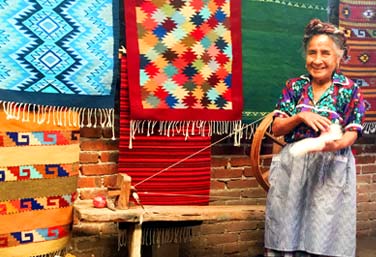
Not only will this private tour allow you to taste and cook many excellent dishes, it also provides ample time for you to get out and explore Oaxaca. You can venture away from the heart of the city to see ancient tombs and the Tule Tree, which is one of the oldest living beings on Earth. You’ll also be able to visit Teotitlán del Valle, where you can see hand-woven textiles and rugs as well as handmade candles.

If you want to experience a unique winter vacation, step out of the ordinary and come to Mexico to enjoy food, traditions, culture, and amazing destinations.

Where to Vacation in Mexico in December

As December approaches, the vibrant traditions of Mexico come to life in new ways. In a country with strong historical ties, cultural celebrations dating back to colonial times and beyond take the forefront in communities all over Mexico. Everywhere you go, the holiday season is marked by robust flavors, colors and aromas. Seasonal food and goods become available, offering fresh experiences even to veteran travelers. The spirit of Mexico in December is enchanting and an opportunity to enjoy unforgettable festivities.

Mexican Celebrations in December

For nine days stretching from December 16th to the 24th, the Mexican Posadas take place. Singing processions travel the streets with candles, reenacting St. Joseph and the Virgin Mary’s trek through Bethlehem in search of shelter. Residents in nearby homes play the roles of innkeepers who refused to help the travelers until Joseph and Mary are received at a designated area. In many places, the procession is beautifully detailed with angels, pilgrims, shepherds and children carrying poinsettias. The entire scene is performed in song and at the final location the participants share prayers of thanks before enjoying a marvelous feast.

Throughout the month, visitors are sure to see Nativity scenes decorating homes, churches and several public venues. Scenes of Jesus’ birth in a manger are carefully laid out with ceramic figures often representing the Biblical characters. Along the streets of Mexico, these scenes range from simple setups to elaborate designs with breathtaking detail. As December 24th arrives, families gather for a nourishing meal on Christmas Eve, honoring the Nativity scene with prayer and gratitude.

Holiday Markets in Mexico

Public areas quickly transform into scenes of holiday cheer with attractive Christmas decorations. As the holiday is widely celebrated in Mexico, special markets are arranged where locals can purchase Christmas decorations, supplies for the Nativity scene and other seasonal items. For the children, holiday candy is a common attraction, and of course, the bright and inviting plazas are great place for amusement and mingling.

Where to Vacation in Mexico in December

If you want to experience the holiday season in Mexico, visit the colonial cities for an up-close look at the rich cultural traditions.

Mexico City

The country’s dynamic capital is one of the most exciting places to visit worldwide. From bustling bazaars full of exquisite artisan jewelry, glassware, silver and weavings to the astonishing archaeological sites of ancient civilizations, Mexico City is pulsing with invigorating culture, living history and thriving arts. Visitors are charmed by the Zocalo plaza and quaint colonial layout of the city, which features stunning architectural landmarks that house museums, cathedrals, galleries and government offices. The homes of remarkable figures like Frida Kahlo and Diego Rivera still stand in remembrance of their work while just beyond the city the ruins of Teotihuacan tell the story of Mexico’s pre-Hispanic ancestors, the Aztecs. To find out more visit our Mexico City tour, one of several private journeys to the city.

Other Destinations

Guanajuato, located in central Mexico, is another destination for a memorable vacation. In this colonial heartland, the city is still home to incredible Baroque architecture and underground pathways such as Boca Mina, a famous mine once coveted for its silver. For the traveler who enjoys diverse entertainment, the city is bursting with thrilling nightlife, chic restaurants, live music and boutique hotels with luxury amenities.

Just a few towns away, Patzcuaro lies amidst charming artisan communities where visitors can truly dive into the local cultural, from tasting traditional cuisine to checking out the artisan and copper workshops. Or if you prefer to see a UN World Heritage site, travel to nearby Morelia for authentic souvenirs from Michoacan markets and a chance to see the city’s treasured historic center. Wherever you decide to visit, the holiday season is sure to bring impressive festivities that will be remembered for years to come.

Mexico Culture Travel: Dia de los Muertos en San Miguel de Allende

Mexican culture exudes spirit and vitality that truly comes to life during the El Dia de los Muertos celebration, a national event honoring the lives of lost relatives, friends and public figures. This important holiday, known as Day of the Dead in English, takes place annually on November 1st and 2nd.

Many people believe Halloween and Dia de los Muertos are versions of the same holiday. Both celebrations coincide with All Saints’ Day and All Souls’ Day, occurring when the veil between the living and the dead is believed to be weakened, enabling communication with spirits. Yet, the spirits of Halloween are harmful, magical and mischievous, so children wear costumes to scare them away. Day of the Dead is a joyful holiday that handles death from a lighthearted and sentimental perspective, allowing individuals to show respect and love for ancestors and friends who have passed away.

Day of the Dead Festivities in San Miguel de Allende

Dia de los Muertos originated from a centuries old Aztec festival in honor of Mictecacihuatl, a goddess known as the Lady of the Dead. Today, Mexican families create colorful altars in their homes. The living also come together to decorate the graves of the dead with their favorite foods, tequila, flowers and sweets while encouraging the presence of these benevolent spirits and sharing humorous stories in remembrance of who they once were. Some of the most entertaining moments involve short poems known as calaveritas, or little skulls, in which funny, satirical verses are written and dedicated to the deceased.

San Miguel de Allende, a municipality in eastern Guanajuato, provides the perfect opportunity to take part in these extraordinary festivities. Tourist traffic is light at this time of year, the weather is mild and visitors have the chance to find souvenirs at an authentic Dia de los Muertos market. As November approaches, families stream in and out of local cemeteries to scrub tombstones, clear away weeds and lay out flowers and candles. In the weeks before the celebration, a special market is set up near the Plaza Civica where everyone shops for decorations amongst stalls of sugar skulls, miniature coffins, skeleton puppets and the familiar skeleton masks and figures, known as calacas. The Calaca Festival takes place November 1-4 this year.

A candlelight vigil lights up the cemetery as cheerful crowds gather to celebrate the dead, listen to mariachi bands, share bottles of tequila and enjoy a picnic with friends and family. All around, children play amidst displays of skeletons in comical scenarios. Calacas are a significant part of Mexican folk art intended to mock death and overcome the pain of loss, depicting skeletons humorously as noble ladies, drunken merrymakers, dancers, brides and many other roles of everyday life.

Exploring San Miguel de Allende

San Miguel de Allende has a wealth of cultural attractions you can experience before and after Dia de los Muertos. The stunning city center features beautifully preserved architecture in neoclassical and baroque styles that house cathedrals, galleries and museums. Along vibrant, colorful streets, the local artisan shops offer charming turquoise jewelry and silver crafts. Live events are frequently held in the local parks and travelers can choose from a tempting variety of authentic Mexican and international cuisine from the city’s inviting restaurants. With a range of impressive vacation rentals in the area, visitors will have no trouble finding cozy villas for relaxation when the Day of the Dead celebration is over.

The Story of El Grito and Mexico’s Independence Day

#MexicoToday: The time of Mexico’s most energetic celebration is once again upon us as Saturday, September 16th marks Mexico’s 202nd Independence Day. Millions will kick off the celebration with “El Grito,” the traditional cry of: “Viva México!” But how many understand the actual history of this ritual? Here is a brief, yet interesting, description of the historical events that sparked Mexico’s war of Independence.

Just before midnight on September 15th, 1810, Miguel Hidalgo, a priest from the small town of Dolores near Guanajuato in Mexico’s Colonial Heartland made an impulsive decision that revolutionized Mexican history and resulted in the war that led to Mexico’s independence. Ordering the church bells to be rung, Hidalgo cried out to the native Mexicans and the lower classes of mixed blood urging them to stand up and take back the lands stolen from their forefathers and ending with the now-famous Grito: “Long live Mexico!”

el grito father hidalgo

Father Hidalgo sparking a revolution

What is not always understood about the start of Mexico’s war of independence is that the upraising enfolded much differently than was planned. After three centuries of Spanish rule in Mexico, the ruling class had bred itself into a hierarchy of two levels: the Gachupines (Spanish born aristocrats) at the top and the Criollos (Mexican-born Spaniards) just below.

Before the night of Hidalgo’s cry, a movement of political revolution had already begun when Napoleon conquered Spain. The Criollos, of whom Hidalgo was a member, saw this instability as an opportunity to overthrow the Gachupines and claim ruling stature. They planned to begin their push for power in December of 1810; however, the Criollos were betrayed, and Hidalgo was forced to make a quick decision – flee to safety and begin forming a new plot or turn to his parish, starving for freedom from Spain altogether, and seize the opportunity to spark a true revolution for independence. Choosing to stay and fight, Hidalgo sped to his church, ordered the bells to rung, and delivered the famous cry that will be heard round Mexico just before midnight this Thursday: “Long live México!” Continue reading

Culinary Tours to Mexico – Puebla, a Culinary Delight!

Mexico Culinary Trip - Mole Poblano - PueblaIn addition to sunny beaches, hidden cenotes and mysterious ruins, Mexico offers an amazing number of traditional culinary food choices that delight even the most adventurous palates. If you’re a dedicated foodie, why not take advantage of one of Journey Mexico’s Culinary Tours in Mexico? These excursions are designed to immerse you in Mexican culture, expose you to the culinary delights of this friendly land, teach you a few new cooking skills and create fond memories that you will cherish for a lifetime!

In honor of the upcoming La Feria De Puebla, we are highlighting Journey Mexico’s “A Taste of Puebla Culinary Trip.” If you schedule your excursion between the dates of April 13 and May 13 of this year, you can attend the Puebla Fair 2012 in addition to experiencing all that our customized itinerary has to offer.

La Feria De Puebla
Every year, more than a million exhibitors and visitors descend on quaint Puebla for this exciting event. During the course of an entire month, attendees enjoy the rich culture of this land including regional food, traditional drinks, arts and crafts exhibits, live performances and more.

A Taste of Puebla Culinary Trip
This organized tour is designed to allow you to fully explore the culinary opportunities of Puebla. In addition to simply enjoying these tasty dishes, you’ll learn traditional cooking methods from local chefs so that you can create your own Mexican masterpieces for friends and family back home.

The Taste of Puebla Culinary Trip is a well-rounded experience that includes visits to some of the most beautiful and historically significant sites surrounding Puebla. This is the perfect vacation choice for anyone who loves food, culture and history!

The highlights of this trip include:

  • Take a private tour of the colonial buildings and historic churches located in Puebla’s historic city center.
  • See the best that UNESCO has to offer on your guided tour of Puebla’s world heritage city.
  • Take the Introduction to Pueblan Cuisine cooking course at Meson Sacristia. This class will teach you how to make salsa verde and roja, chalupas, arroz con leche and more.
  • Enjoy breakfast, lunch and dinner at some of Puebla’s most interesting traditional venues.

This winning combination is one of the most enjoyable ways to learn more about the culture of friendly Mexico! Best of all, you’ll acquire new culinary skills that you will use for a lifetime.

Easter in Mexico – Semana Santa and Pascua

photo via mexperience.com

Easter in Mexico is a two-week holiday consisting of Semana Santa (The Holy Week, beginning on Palm Sunday and ending Easter Saturday) and Pascua (Starting with Easter Sunday and ending the following Saturday). Semana Santa is undoubtedly the most important holiday in Mexican culture. Schools and often businesses in Mexico close during these two weeks and many Mexican families go on holiday during Semana Santa and Pascua.

Across the country, Mexicans celebrate the last days of Christ during Holy Week with elaborate and much anticipated processions, ceremonies, and rituals. Most of the larger Semana Santa celebrations include a dramatic reenactment of the capture, the trial, and the crucifixion of Jesus. To be a part of these productions is a great honor and the actors are known for delivering inspiring and moving performances. Different regions of Mexico are known for practicing unique traditions during Semana Santa such as acts of physical torture, public displays of political/social ridicule, and displays of resolutions and commitment.

Jesus during Semanta Santa

photo via mexperience.com

In some of the more devout regions of Mexico like Taxco, the reenactments include penitentes – men and women who show their penitence and prove their faith by inflicting physical pain on their bodies by whipping themselves or carrying large religious objects on their backs. This is an ancient tradition that dates back to the middle ages and was introduced to Mexico by the Spanish more than 500 years ago. During the reenactments, the actor playing Jesus usually wears a real crown of thorns and carries a massive cross weighing hundreds of pounds over great distances to the scene of crucifixion. Actors prepare both physically and mentally for months before hand with the support of their families and communities.

"Burning of the Judases"

In towns like San Miguel de Allende, another Spanish-influenced tradition is celebrated during the Holy Week called “The Burning (or Firing) of the Judases.” In Spain, carpenters would make wooden dolls representing Judas, which would be hung and burned in town squares to punish Judas for betraying Christ. During the Holy Inquisition, when the Spanish were burning people at the stake for heresy, Mexicans protested by making dolls and dressing them like Spanish inquisitors and burning them instead of Judas. This evolved into the current tradition where giant Judases made from paper mache are dressed and painted to resemble political and public figures not currently in favor of the public. The dolls are then hung and blown up with fireworks, scattering limbs in the street for children to collect as souvenirs. Famous Mexican artists like Diego Rivera and Frida Kahlo were strong proponents of the value of art in political commentary and quickly adopted the tradition of creating Judases.

Other traditions focus on different ways to show your dedication and appreciation of Jesus’s sacrifice. In Iztapalapa, people called Nazarenes parade the streets before the procession of Christ, marching in promise to fulfill a manda, or religious promise, as payment for a granted favor from God. In many regions of Mexico, people show their devotion by visiting twelve different churches in a single day – one church for each apostle. In more remote regions like the Copper Canyon, local cultures mix christian celebration with ancient native rituals, paying homage to both their Spanish and Indian heritage.

Once the sacrifice is made and Jesus rises from the dead, Pascua begins and the second week of the Easter celebration carries on with a brighter tone, reflecting the resurrection, the start of Spring, and the promise of new beginnings. Many Mexican families travel to beach destinations like Acapulco and Puerto Vallarta during these Easter celebrations to enjoy the coast as they pay tribute.

Traveling to Mexico for Semana Santa and Pascua is an unforgettable experience, but can be tricky to plan logistically – especially last minute as the traditional areas of celebration and most beach destinations are usually booked in advance. Contact Journey Mexico for assistance with planning travel to Mexico for Semana Santa.